Step-by-step Workflow to Install Docker and ROS on Windows PC
1. Go to www.google.com
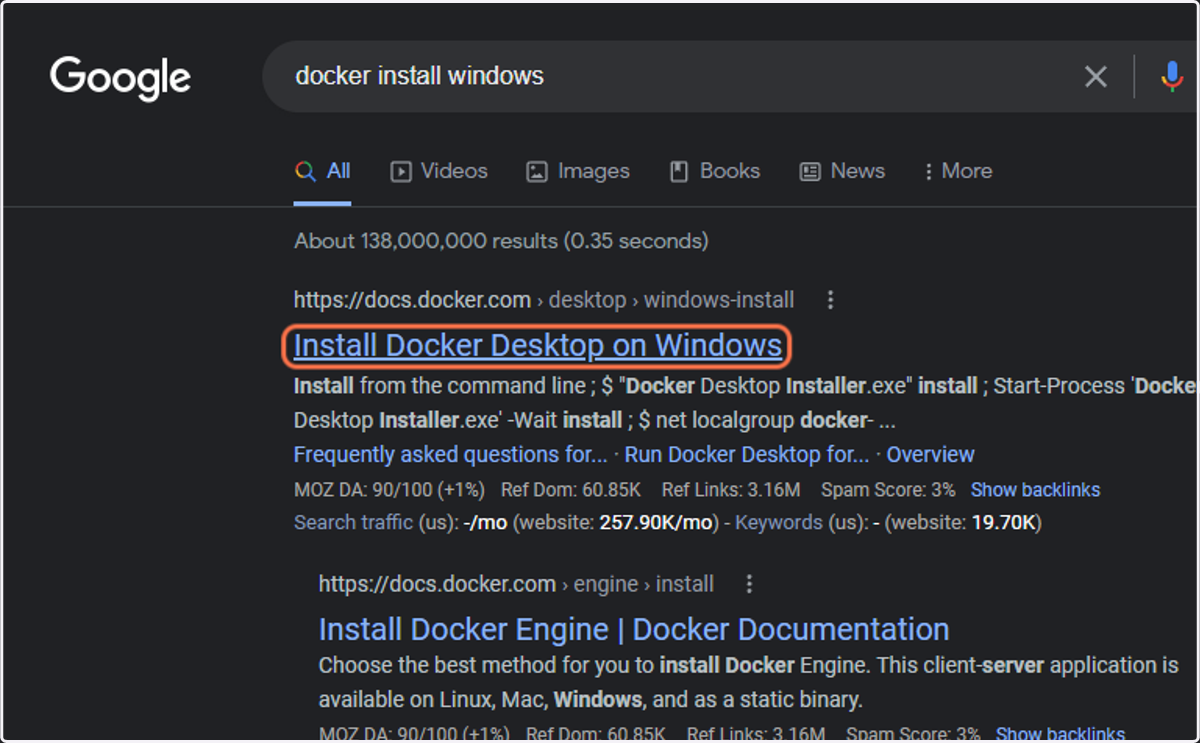
2. Type "docker install windows"
3. Click on Install Docker Desktop on Windows
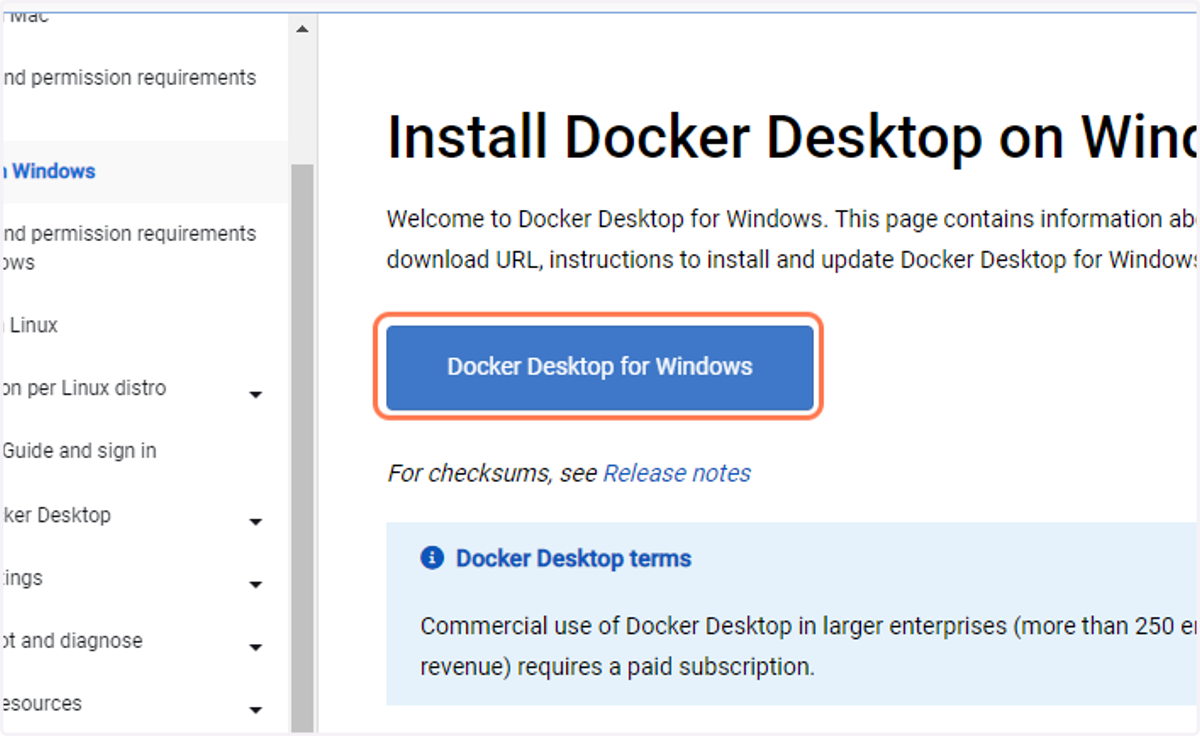
4. Click on Docker Desktop for Windows
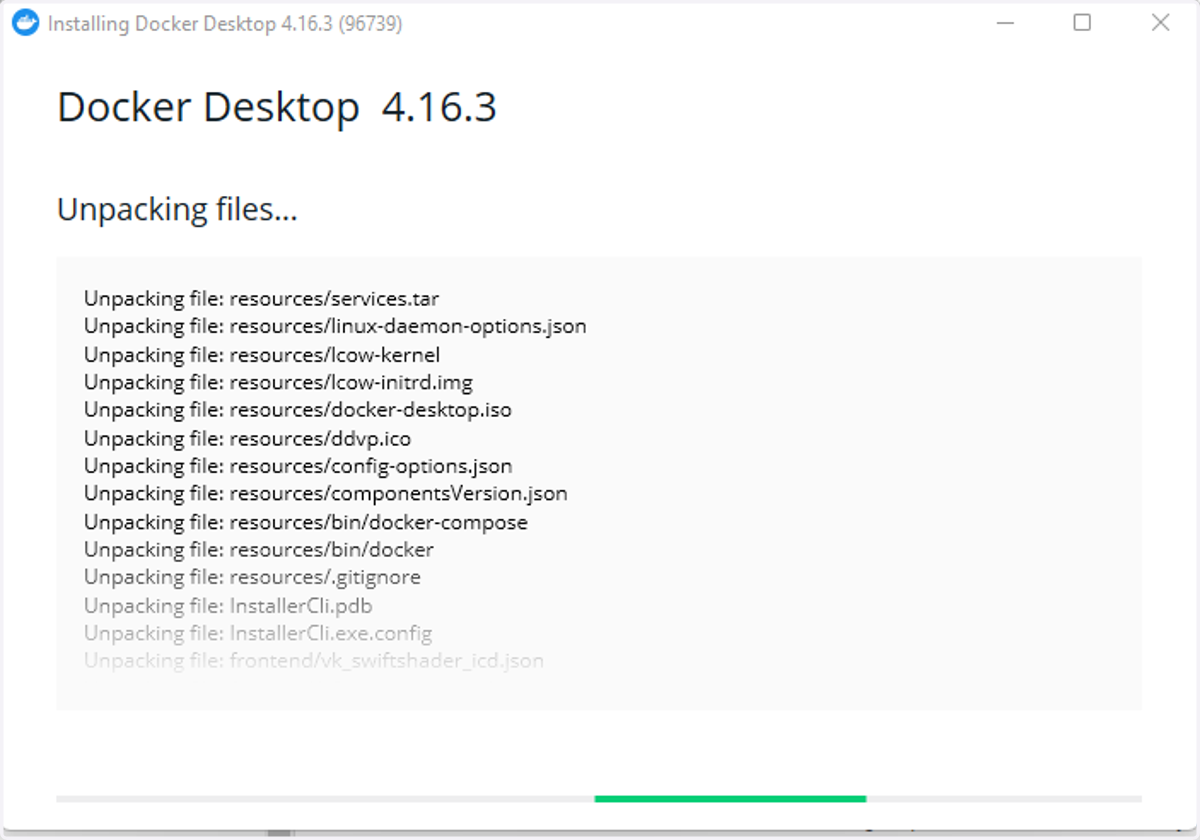
5. Download and Install Docker for Windows
After installation, there is a Mandatory Restart required to finish installation.
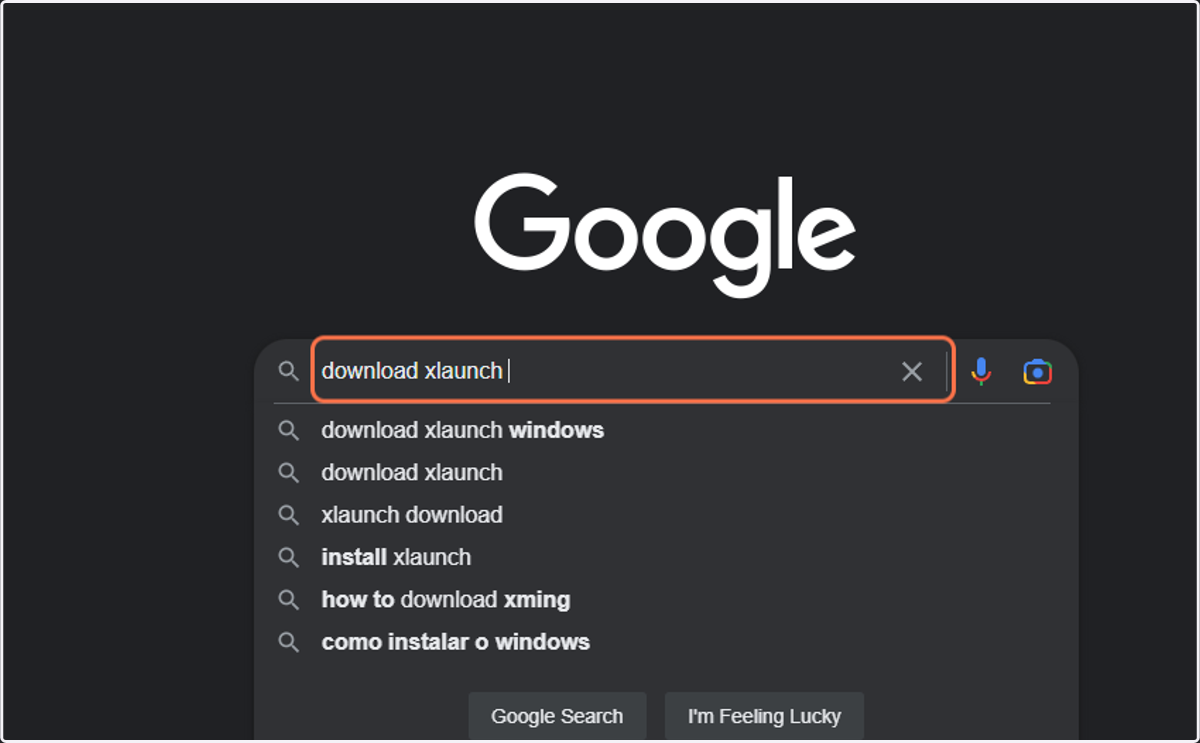
6. Type "download xlaunch "
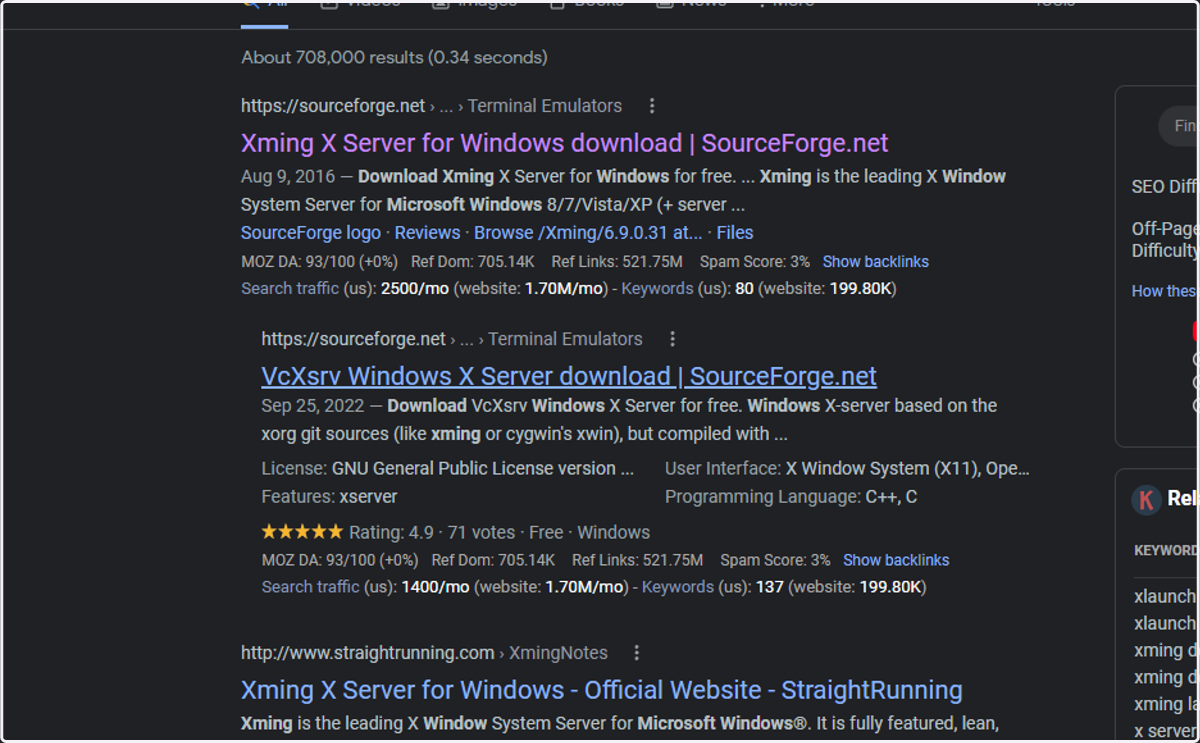
7. Click on VcXsrv Windows X Server download | SourceForge.net
Docker
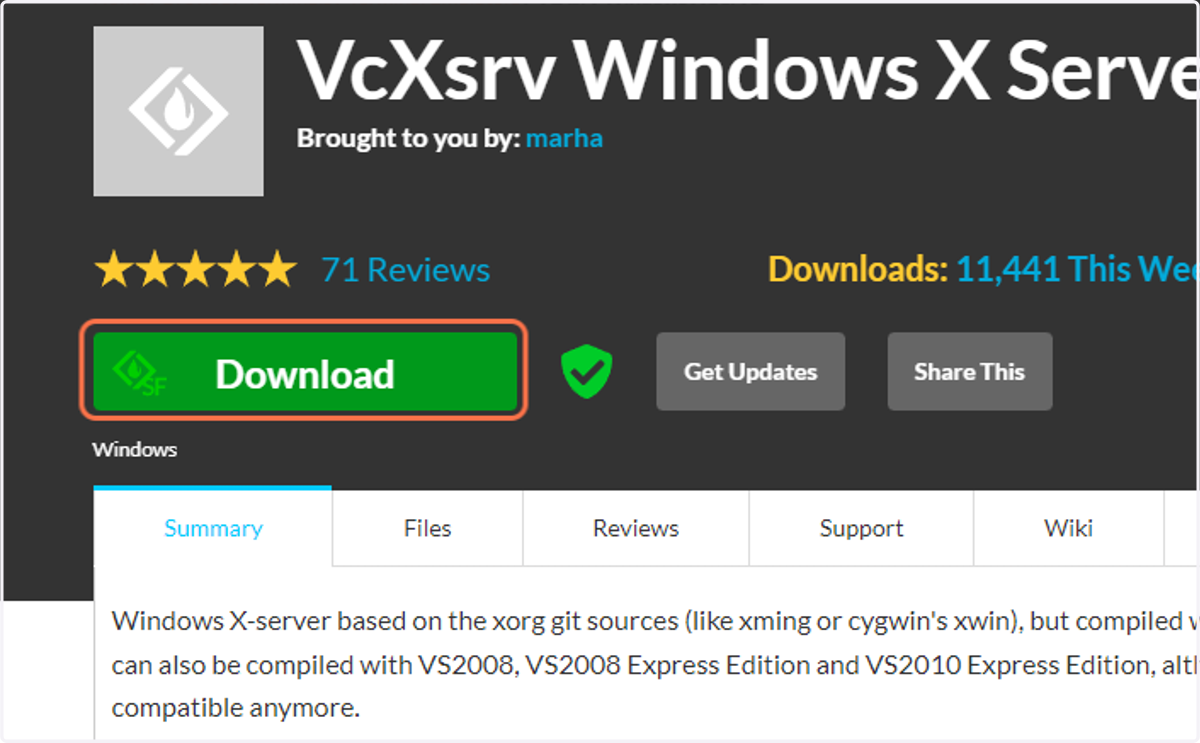
8. Click on Download
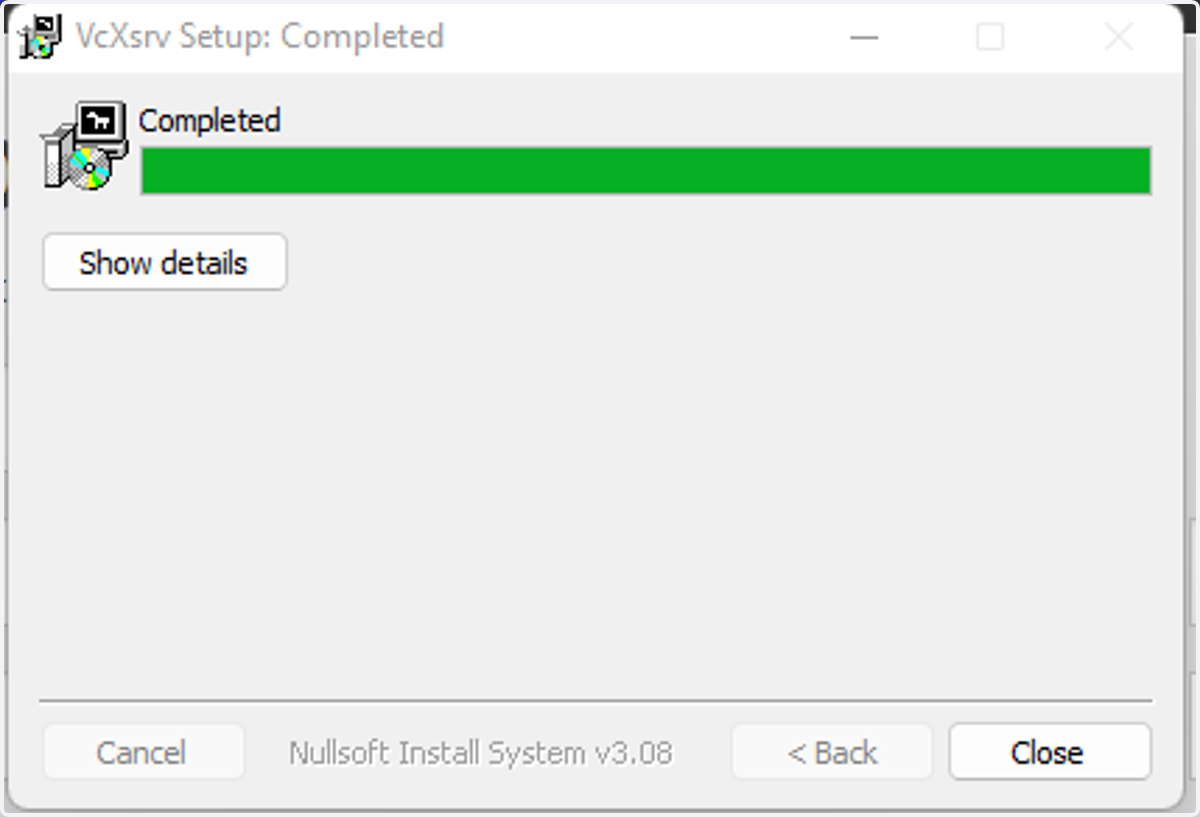
9. Download and Install to be able to GUIs inside Docker
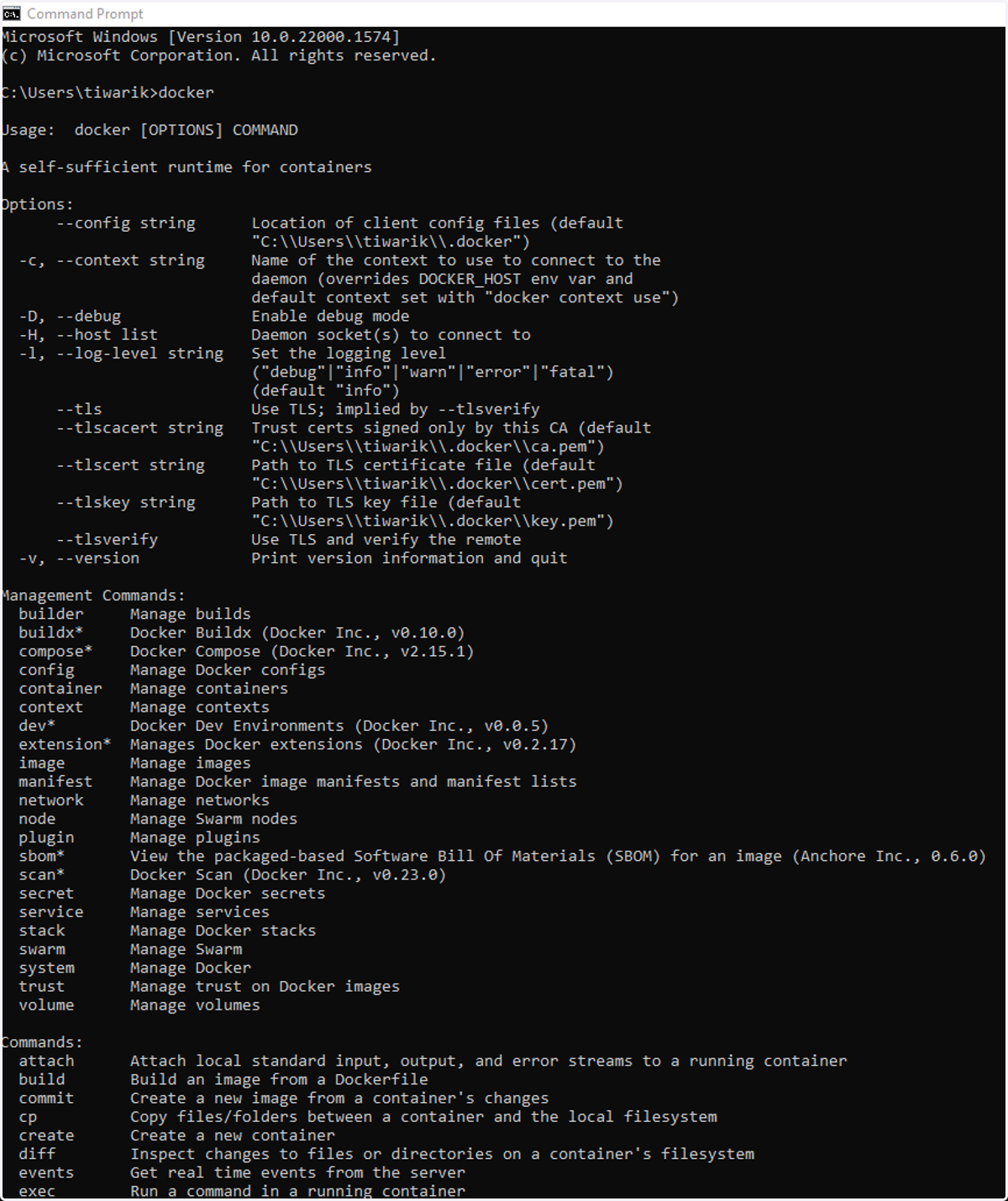
10. Open Terminal to check if Docker is installed
Hit the Windows Icon > CMD > Docker
This will show you a bunch of available Docker commands which is a sign that you have successfully installed Docker.
11. Hit Windows > Docker Desktop to launch
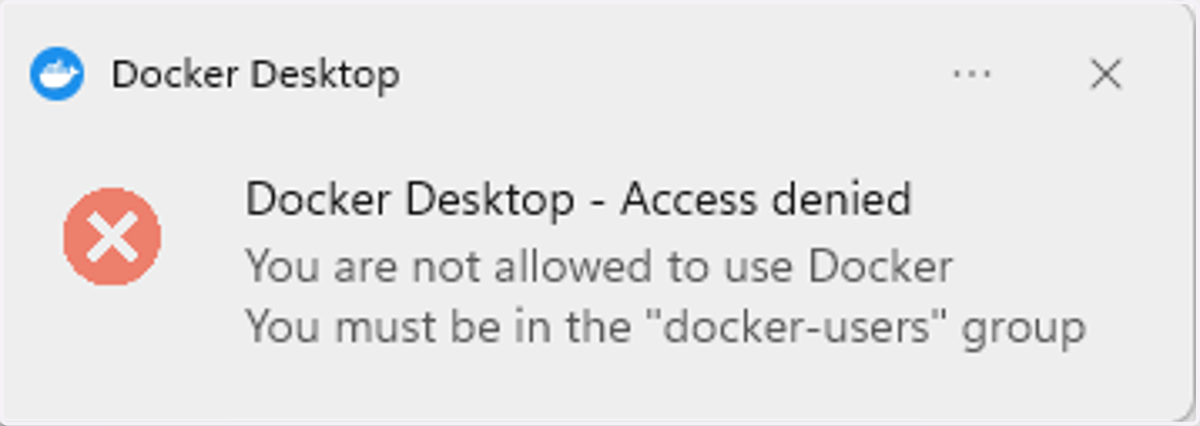
You might get the access denied error. If so, fix it using the next step otherwise skip to the Launch step.
Sourceforge
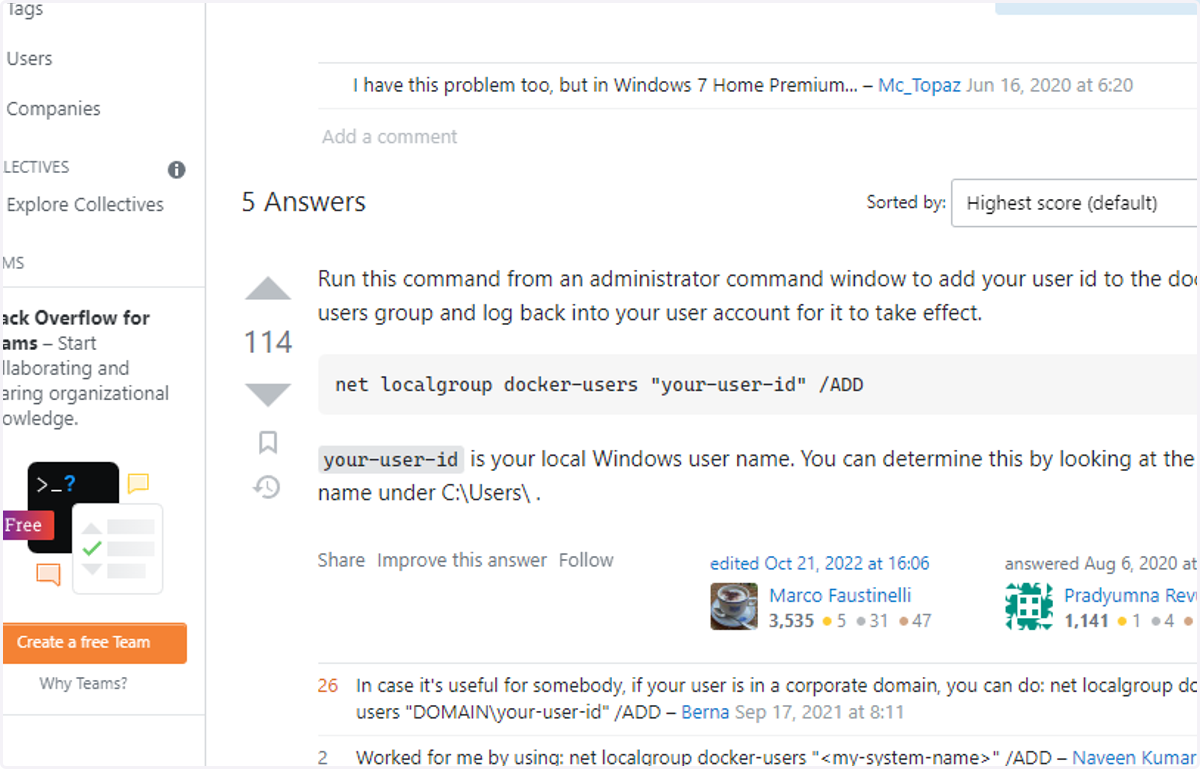
12. Add yourself to the Docker User group using the command shown below
Be sure to run the Command Prompt as Admin
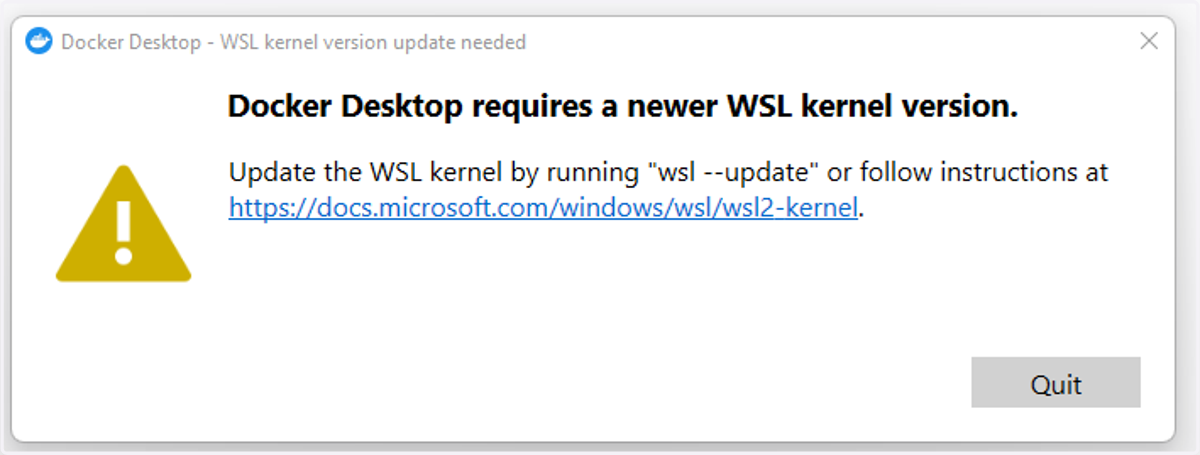
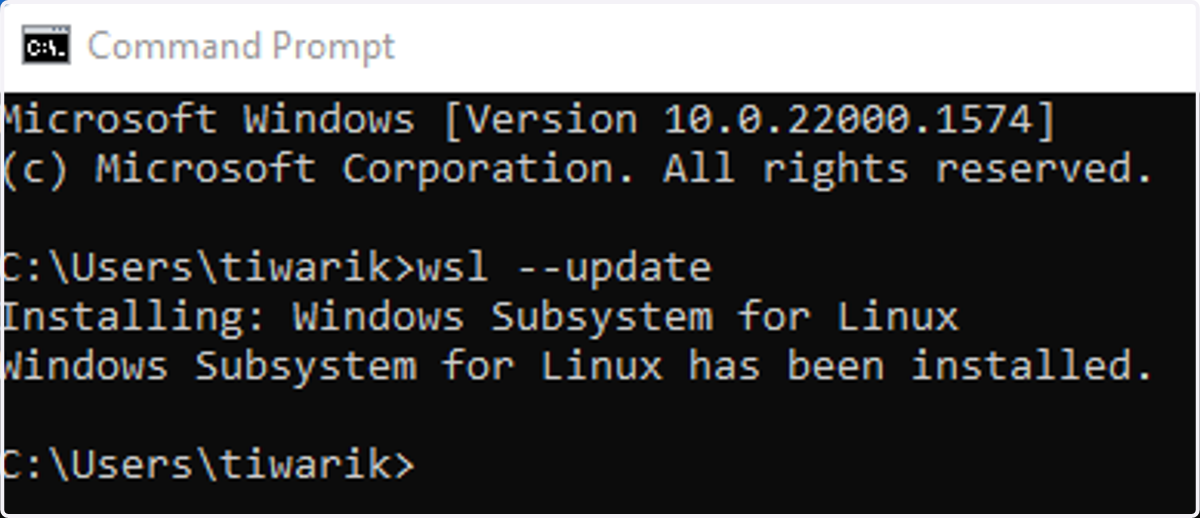
13. Update WSL Kernel, if prompted
14. Verify that the Windows Subsystem for Linux is installed
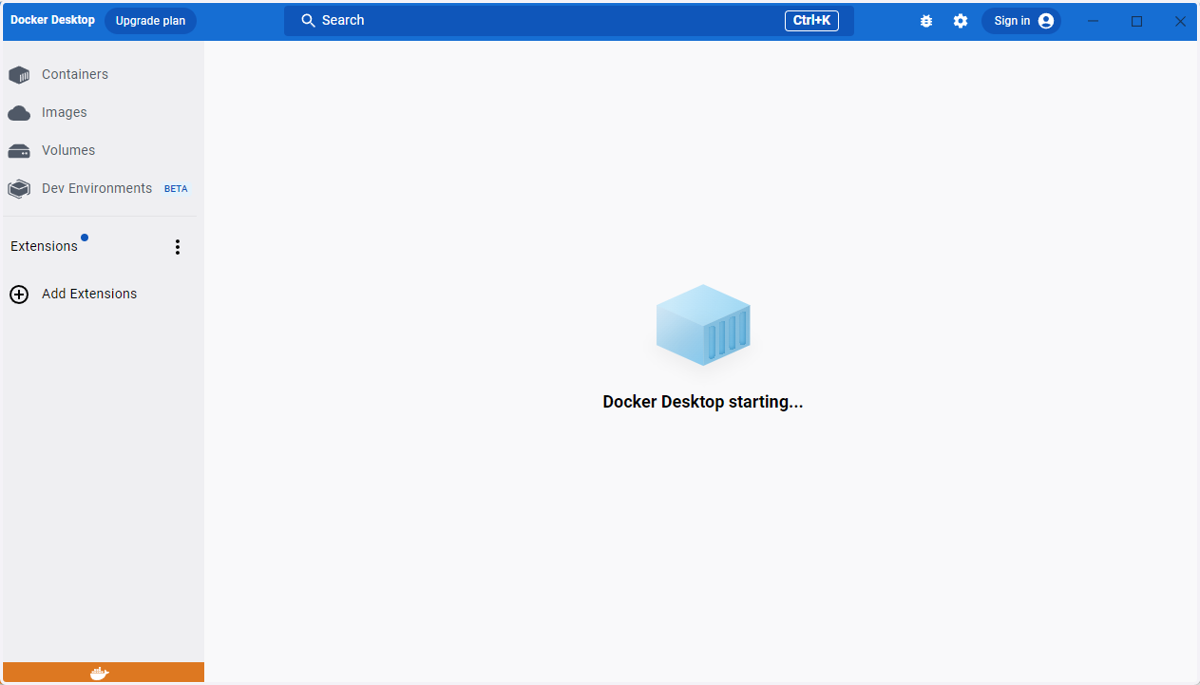
15. Launch Docker Desktop
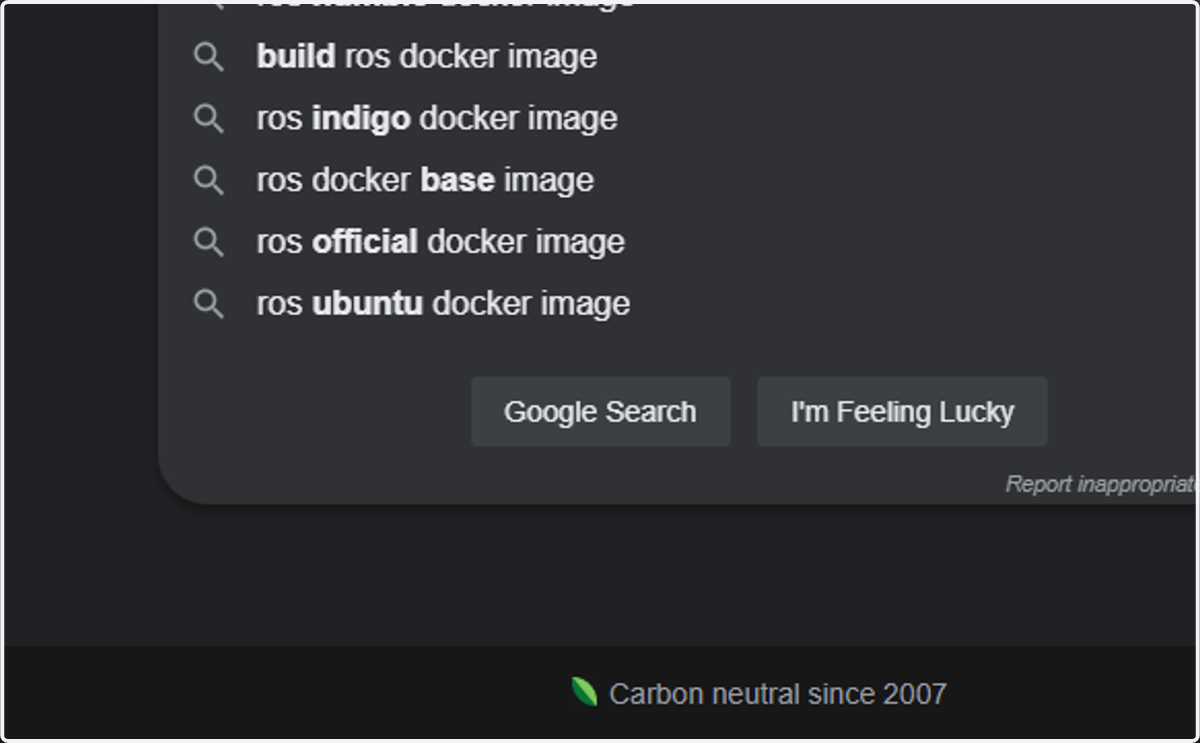
16. Click on Google Search
Stackoverflow
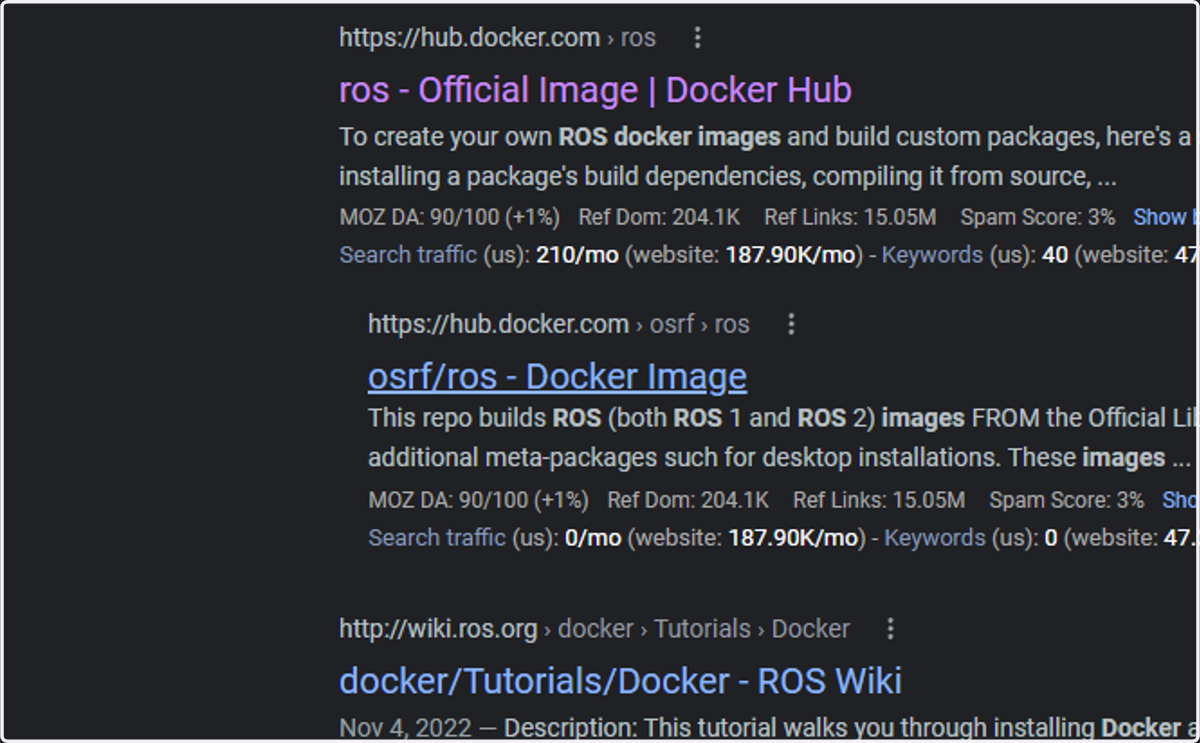
17. Click on osrf/ros - Docker Image
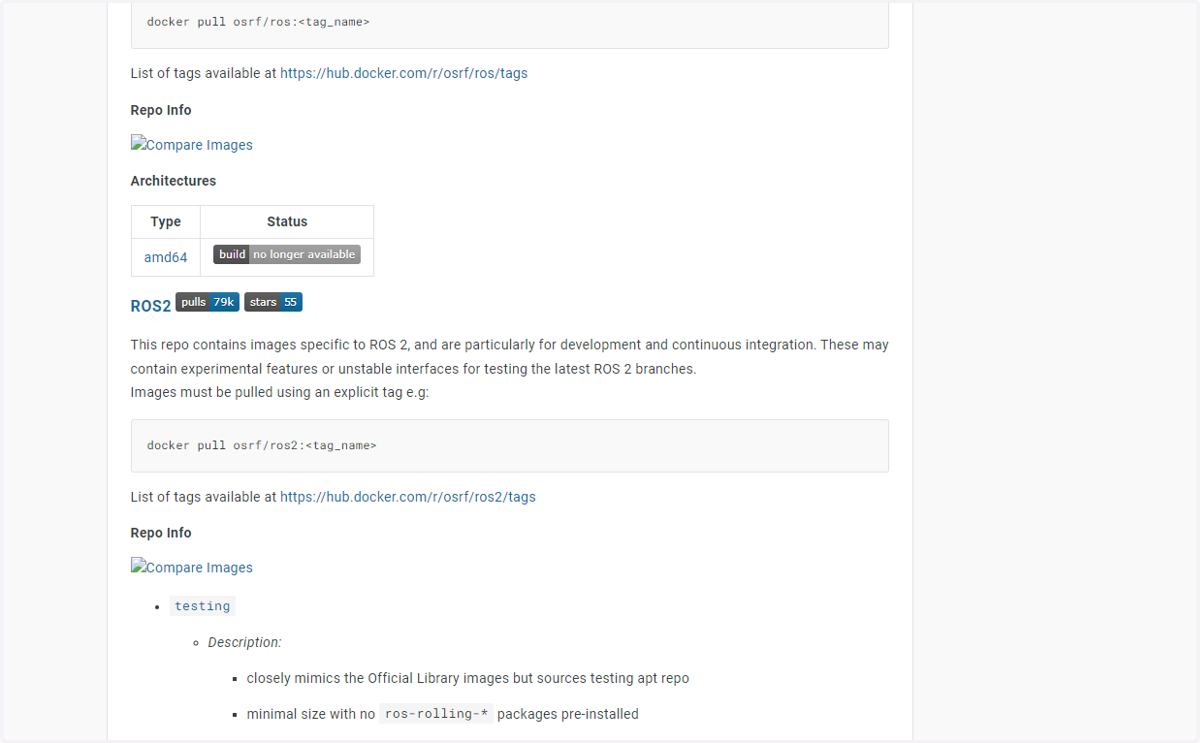
18. Click on docker pull osrf/ros2:<tag_name>…
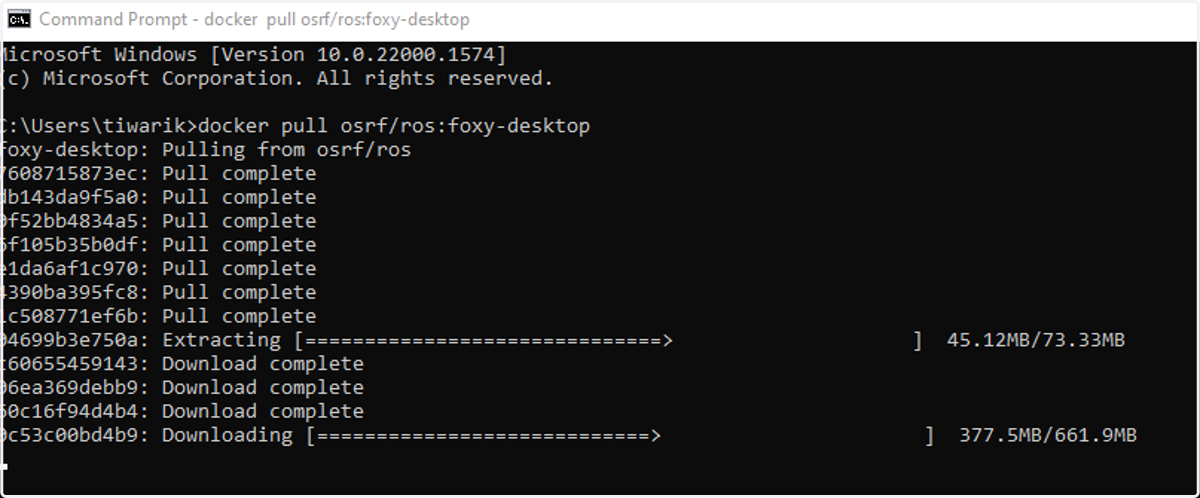
19. Pull OSRF Ros2 Foxy Image from Docker
docker pull osrf/ros:foxy-desktop
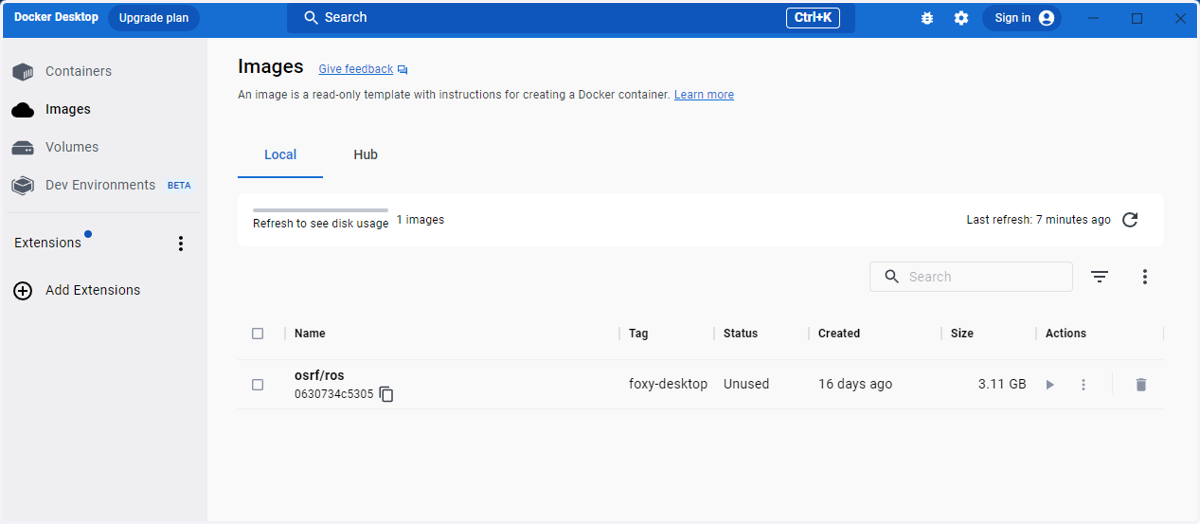
20. Test that ROS image has been successfully added to Docker
Docker > Images
You can pull multiple images of ROS1 and ROS 2 which will all be listed here and you can easily manage them here. This is the power of Docker.
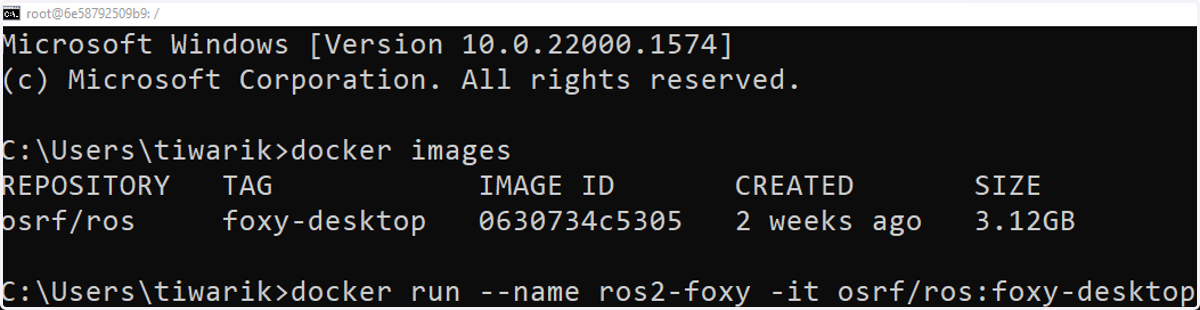
21. Launch a new docker Container with respective ROS Image
docker run --name ros2-foxy -it osrf/ros:foxy-desktop
For all available Docker commands, check out: https://docs.docker.com/engine/reference/run/
22. Launch your Nodes and enjoy using ROS/ ROS2
Depending on the corresponding version of ROS you use, you can execute your respective nodes.
Remember "roscore" doesn't exist in ROS2
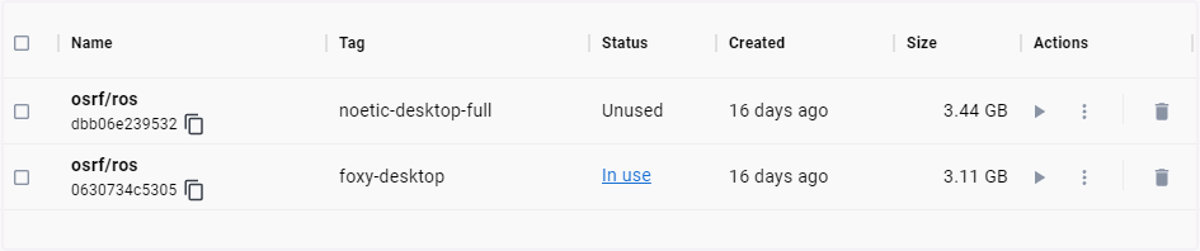
23. Single OS, multiple ROS Version, No version conflict
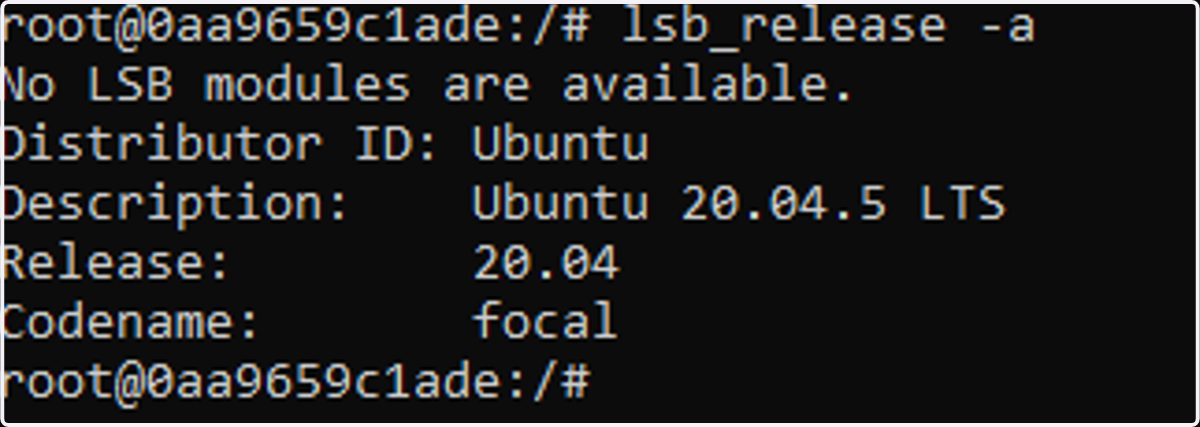
On a single Ubuntu 20.04 on top of your Windows PC, you can now easily run ROS1 and ROS2 without having to mess around with Ubuntu Versions and ROS Version incompatibilities.