LinearB SEO Blog Layout Process
Linearb
1. Start a New Post in WordPress
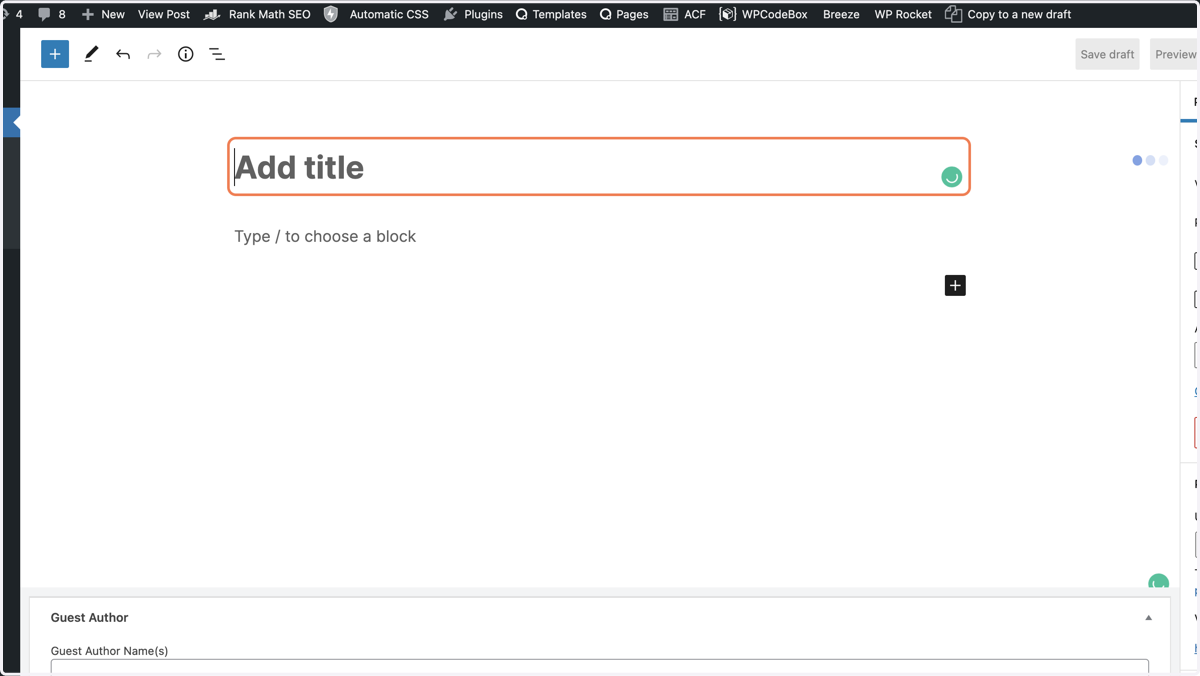
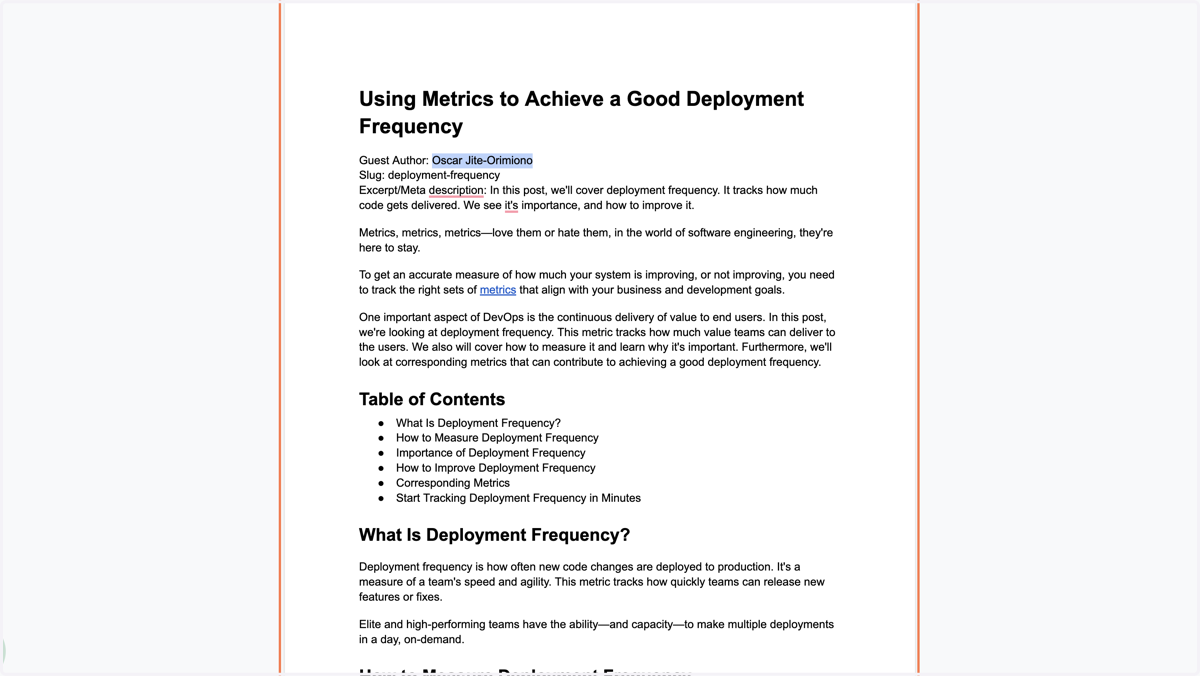
2. Open the Final Draft of the Blog Post in Google Docs & Copy the Guest Author Name
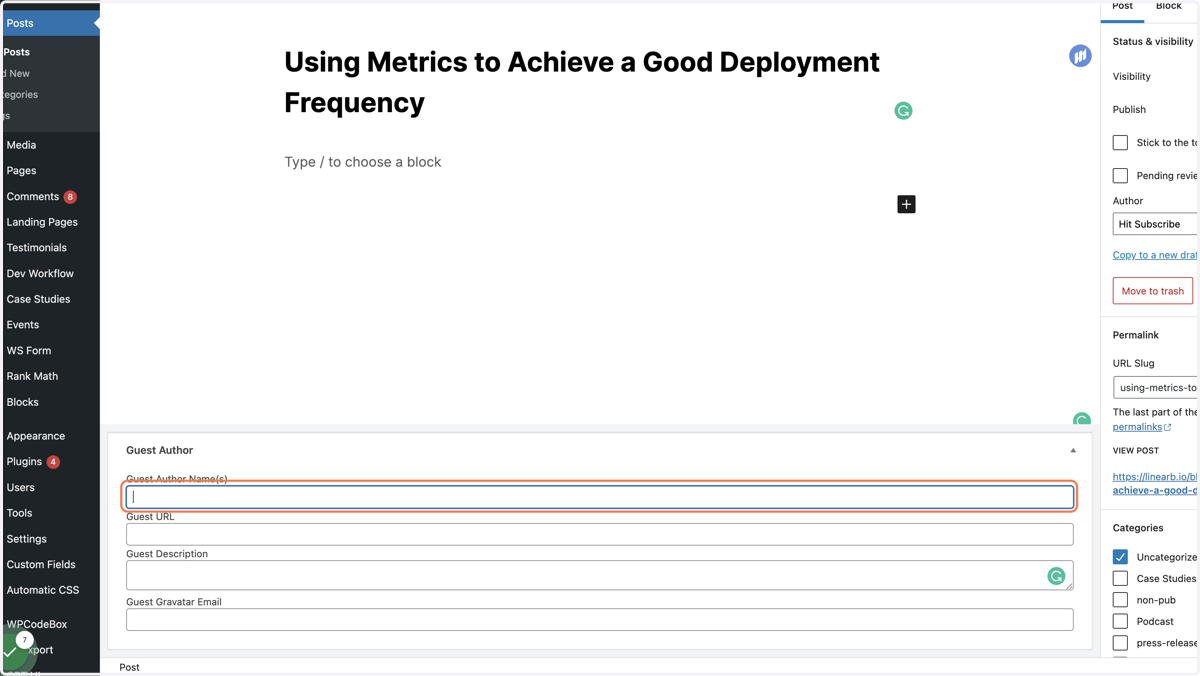
3. Paste the Guest Author Name into the Guest Author Field
4. Copy the Slug
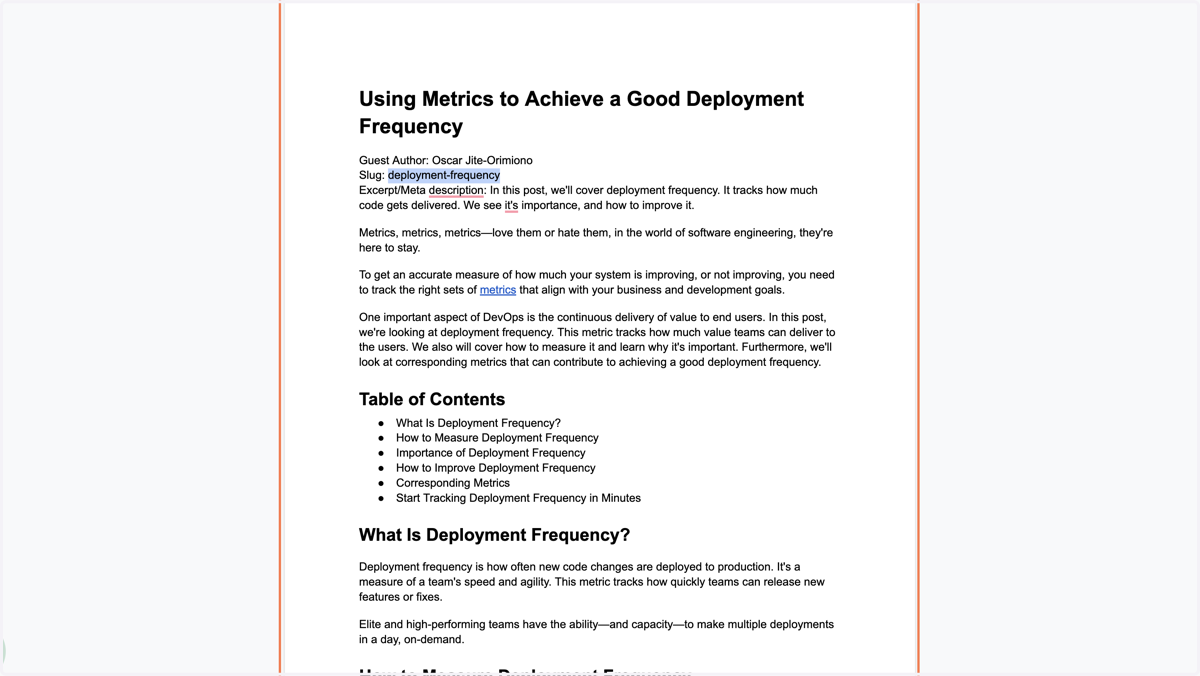
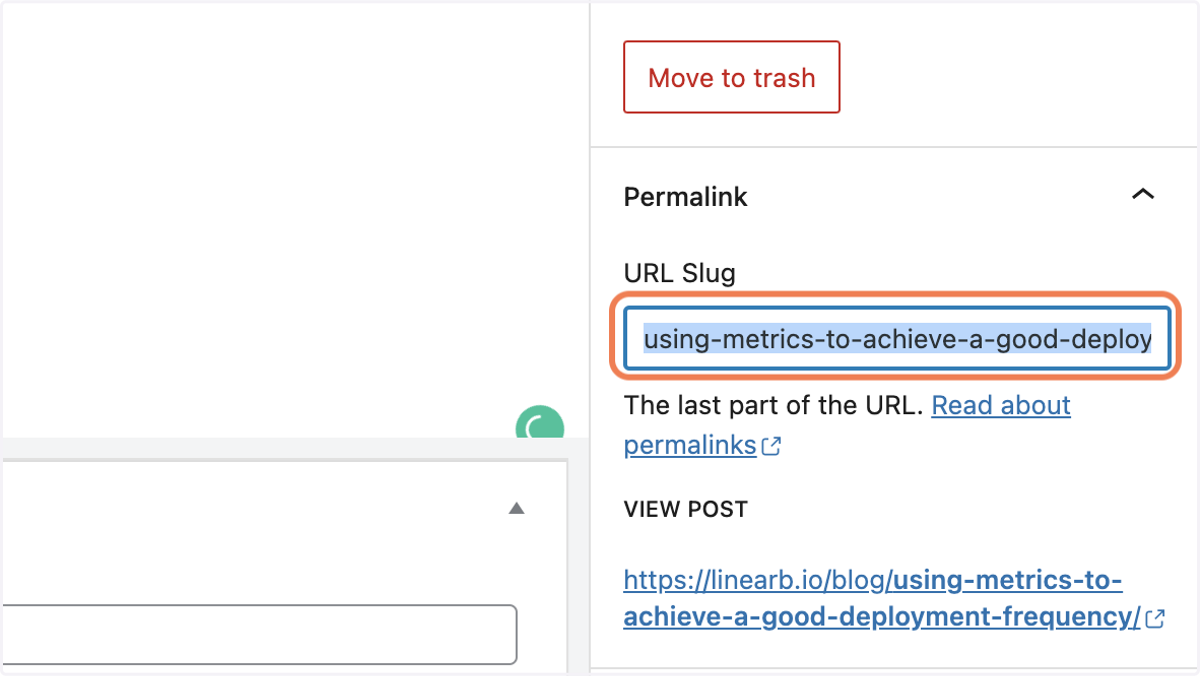
5. Paste the Slug into the URL Slug Field
Slugs should always be lowercased and words should be separated by hyphens (never underscores).
Linearb
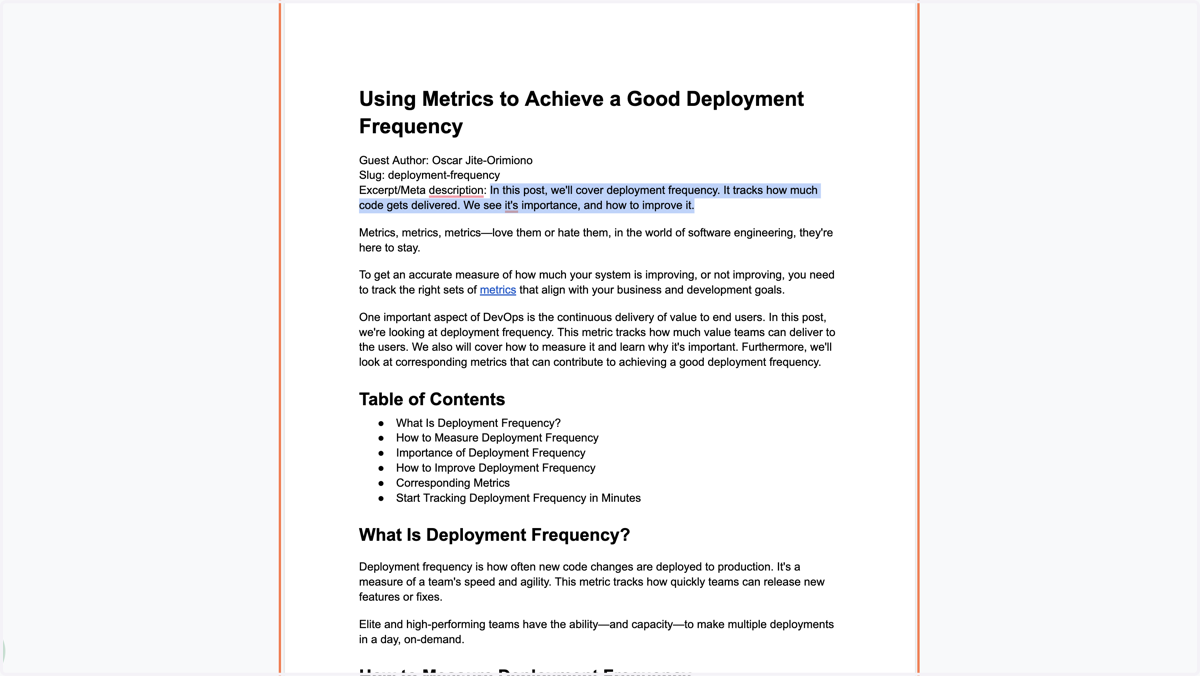
6. Copy the Excerpt/Meta Description
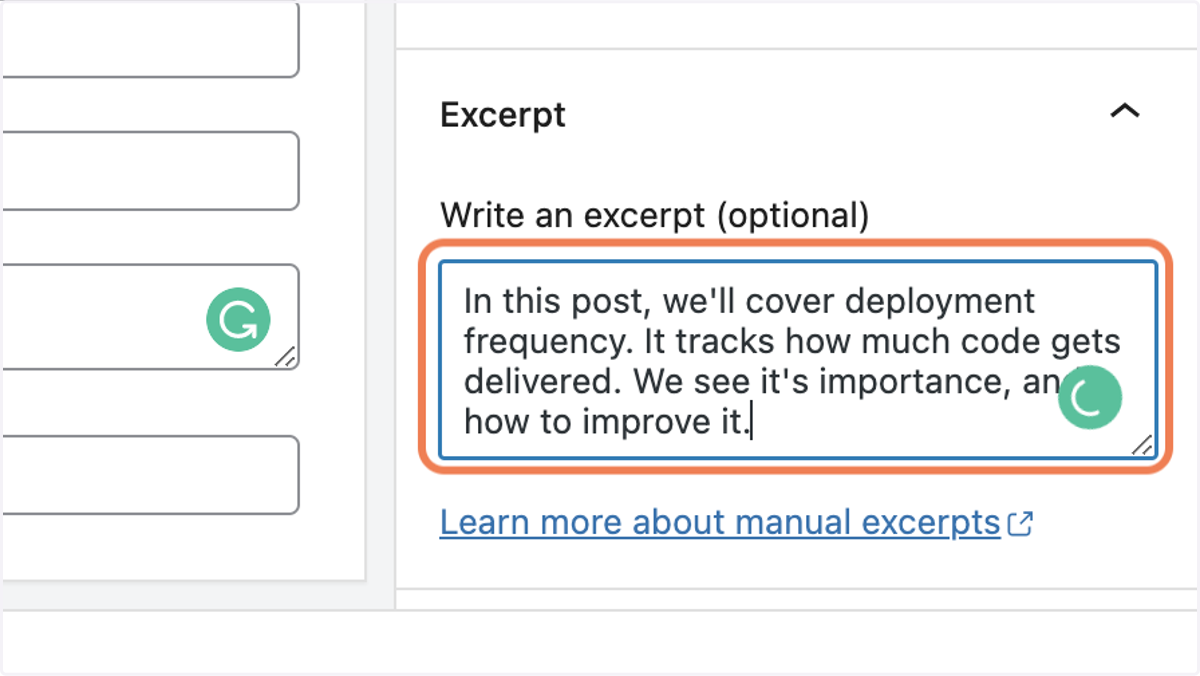
7. Paste the Excerpt/Meta Description into the Excerpt Field
This field automatically populates the meta description field.
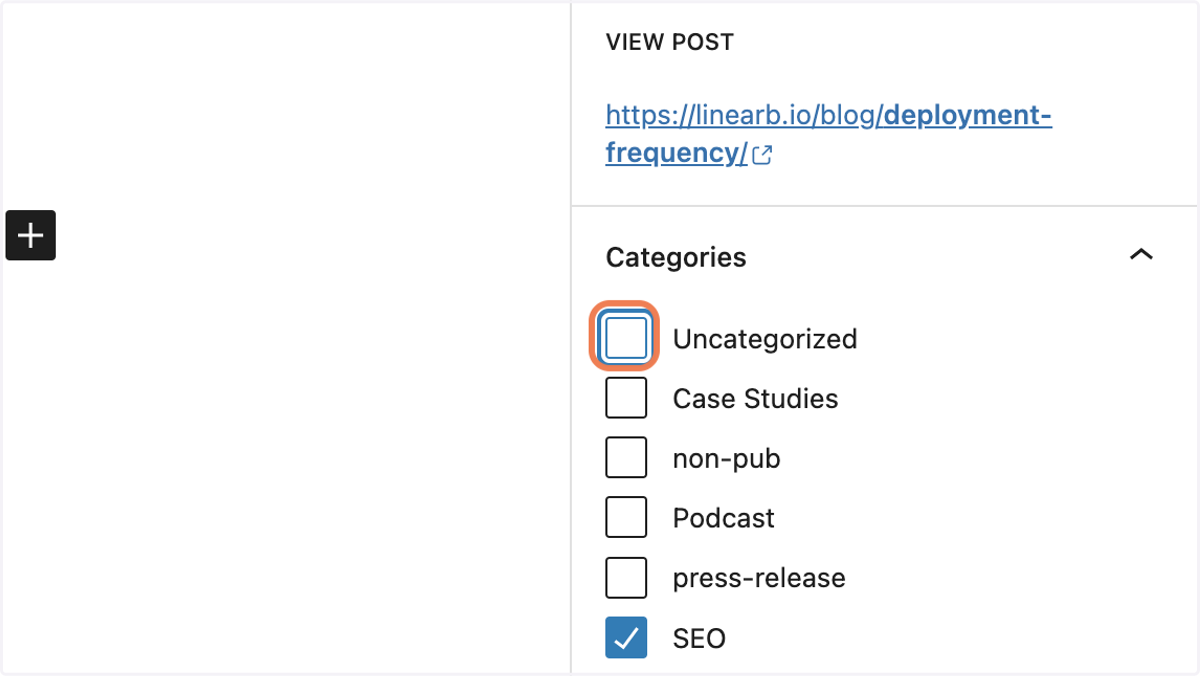
8. Choose the Blog Category
All SEO blogs should be categorized as SEO. Thought leadership and customer story bogs should be categorized as Uncategorized. The rest of the categories are not mapped to the blog index so if you select them, the blog will not be visible.
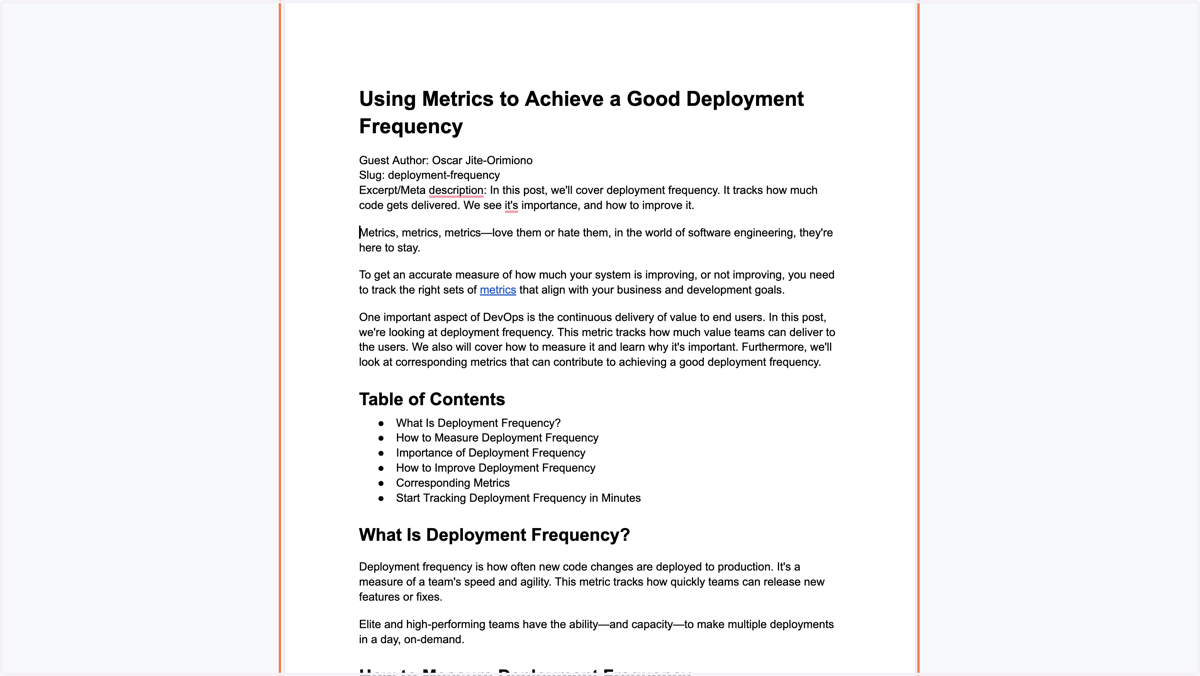
9. Copy the H1 Heading & Paste into WordPress
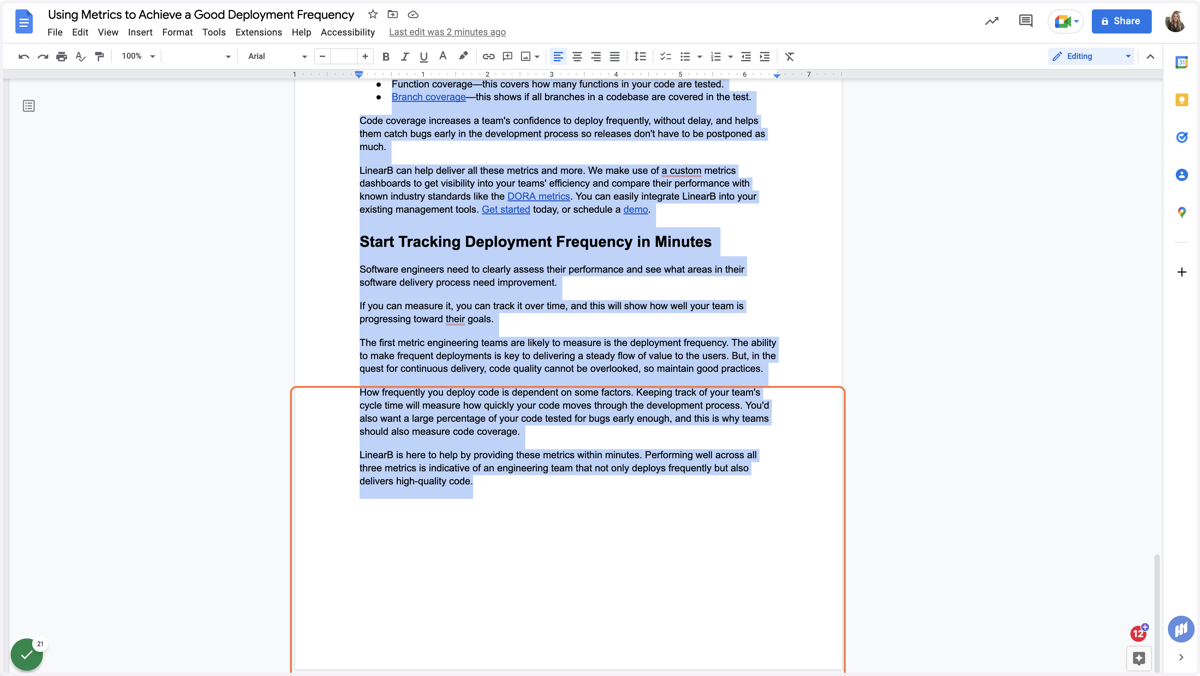
10. Copy the Entire Body of the Blog and Paste Into WordPress
Linearb
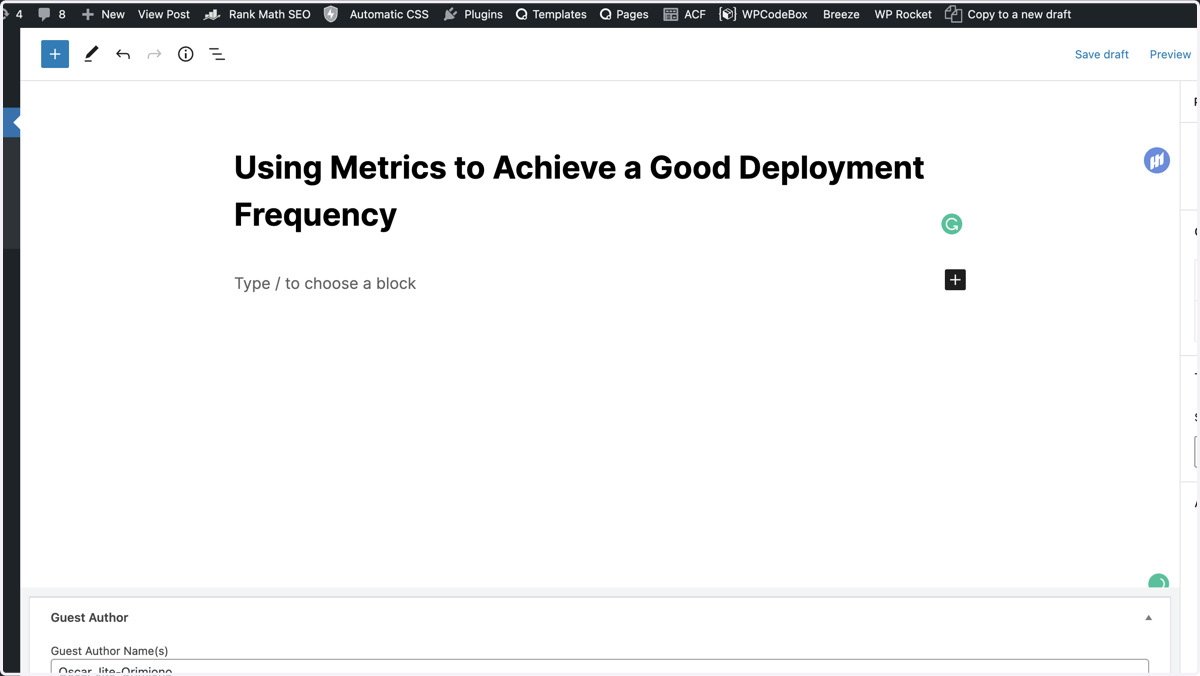
11. Paste the Body of the Blog into WordPress
When you paste the body of the blog into the area that says "Type/to choose a blog" it will automatically generate blocks for all the headings, paragraphs, and lists.
12. Adding Anchor Links to the Table of Contents List
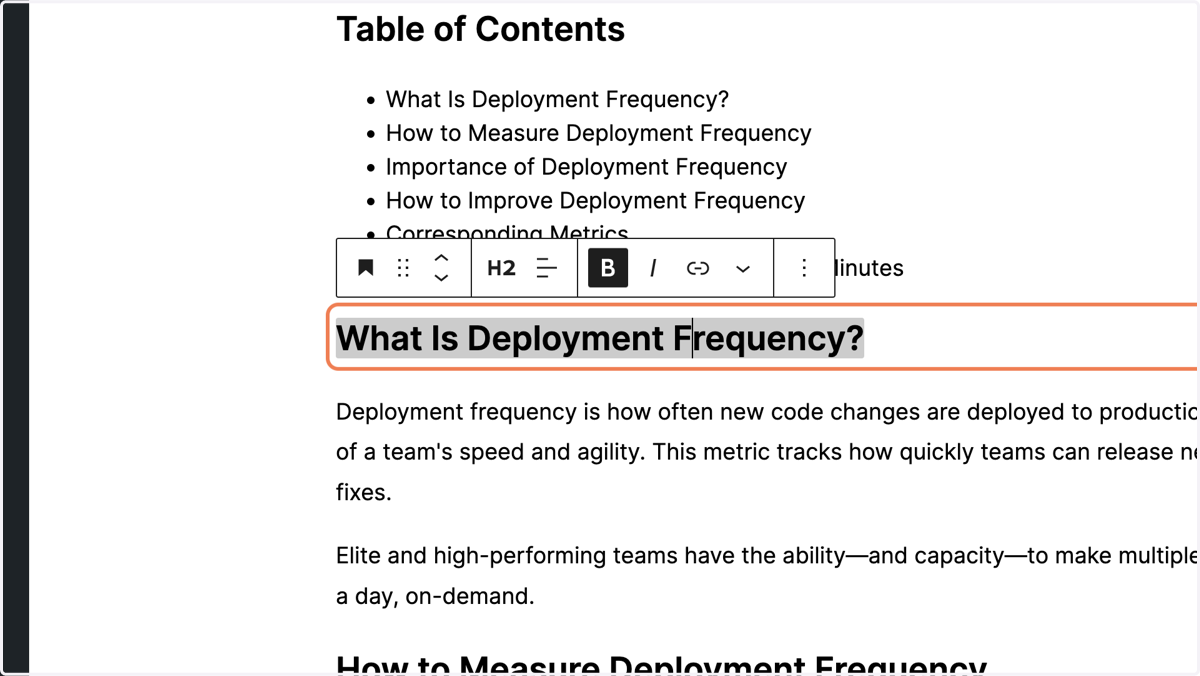
13. Select Each H2 and then Click on Options (3 vertical dots)
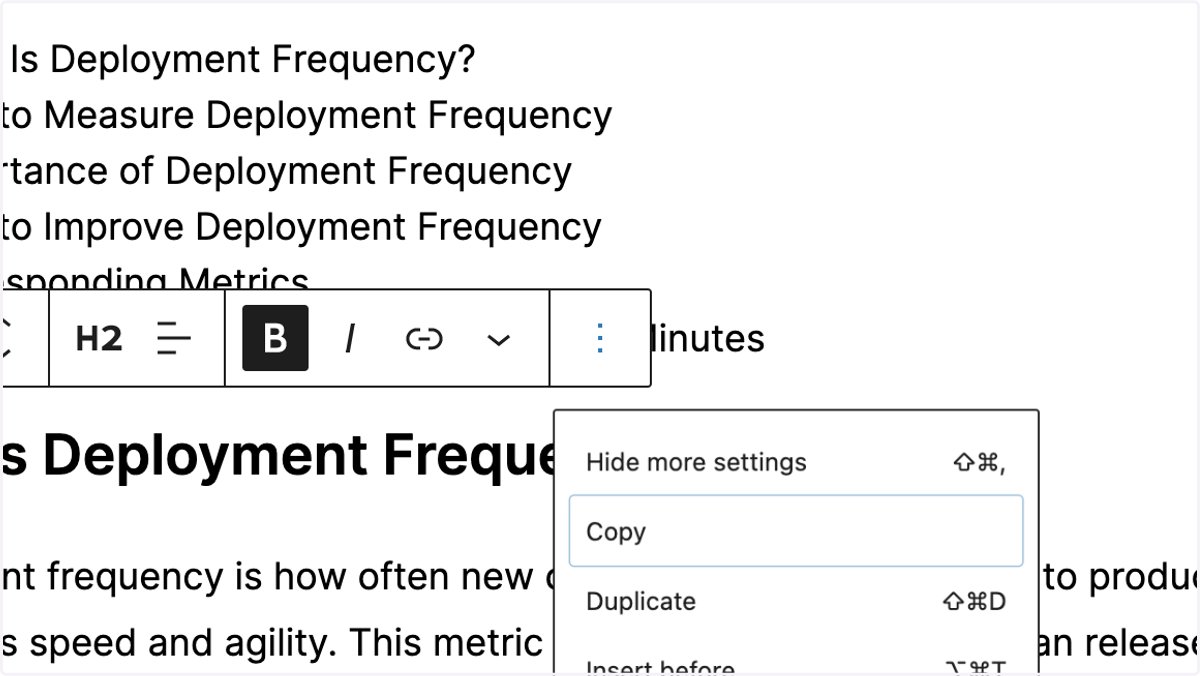
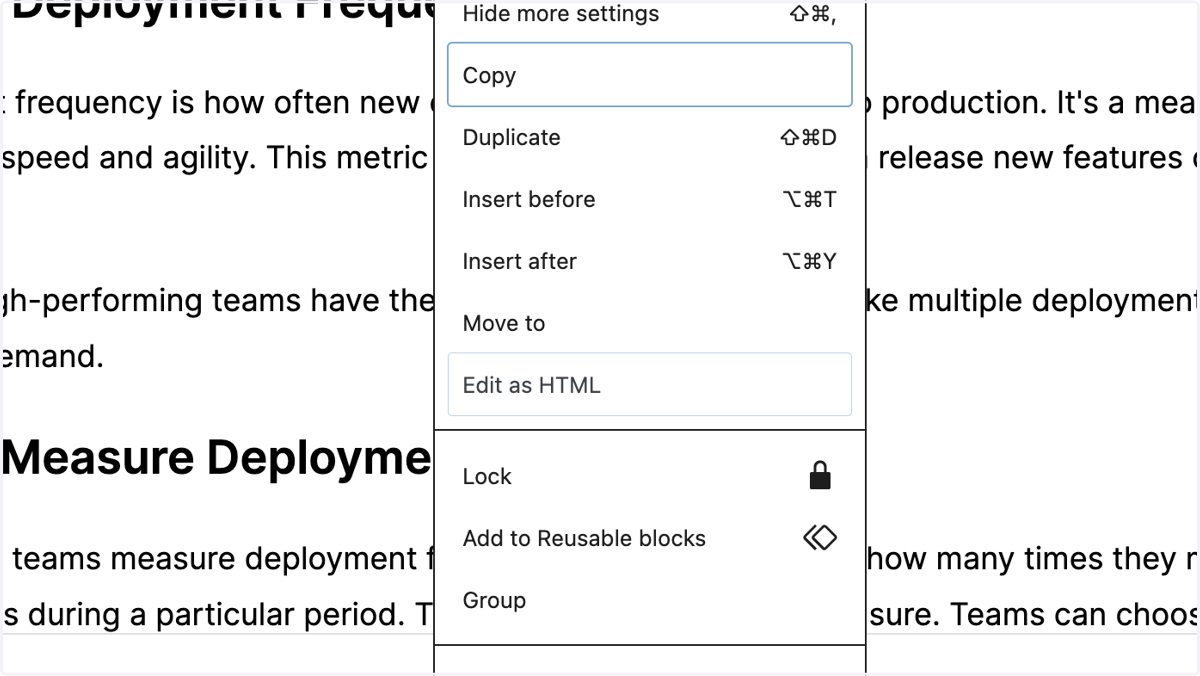
14. Click on Edit as HTML
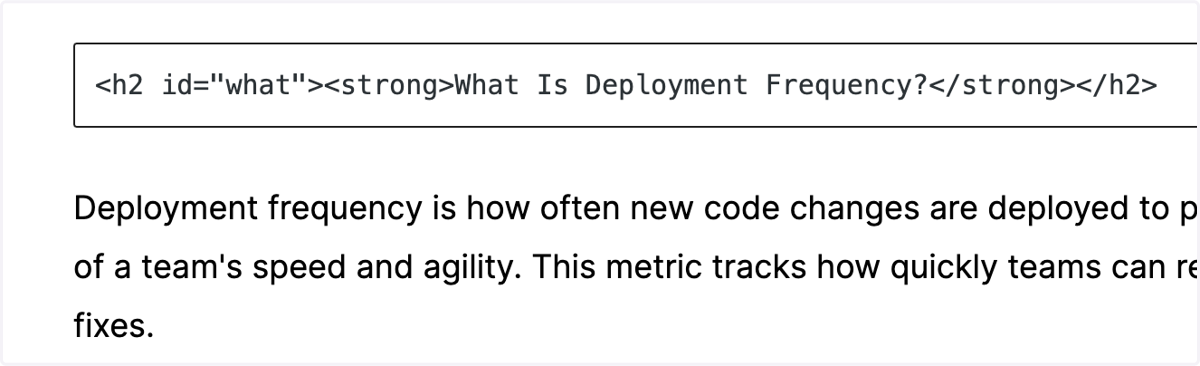
15. Add a Unique ID to the H2
Linearb
16. Scroll Back up to the Table of Contents List
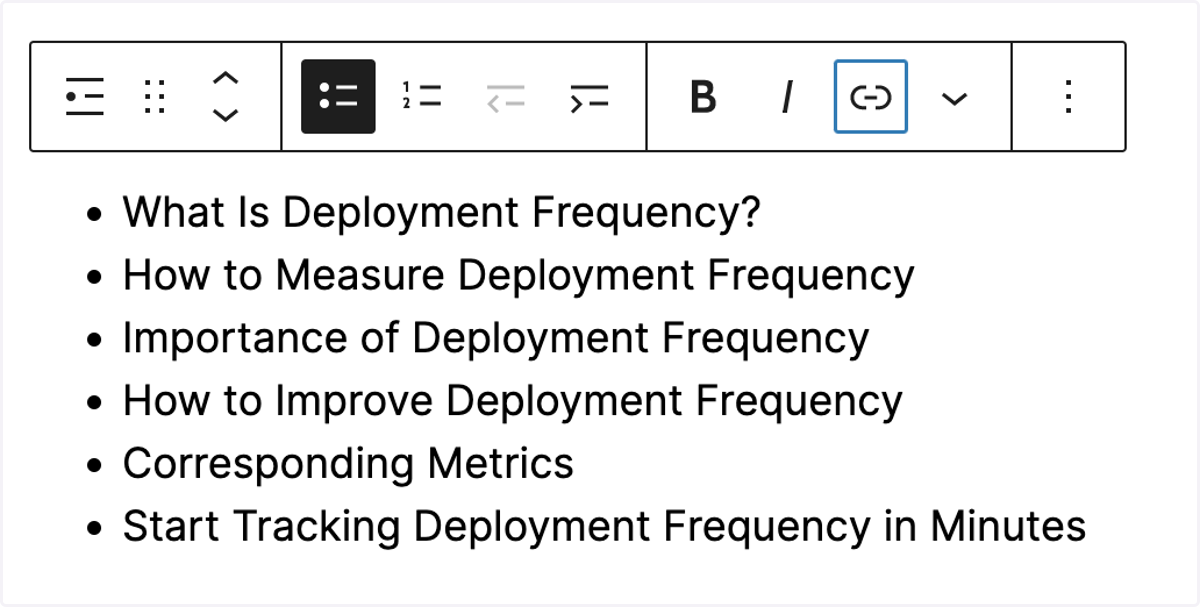
17. Add the Anchor Link to the Unique ID
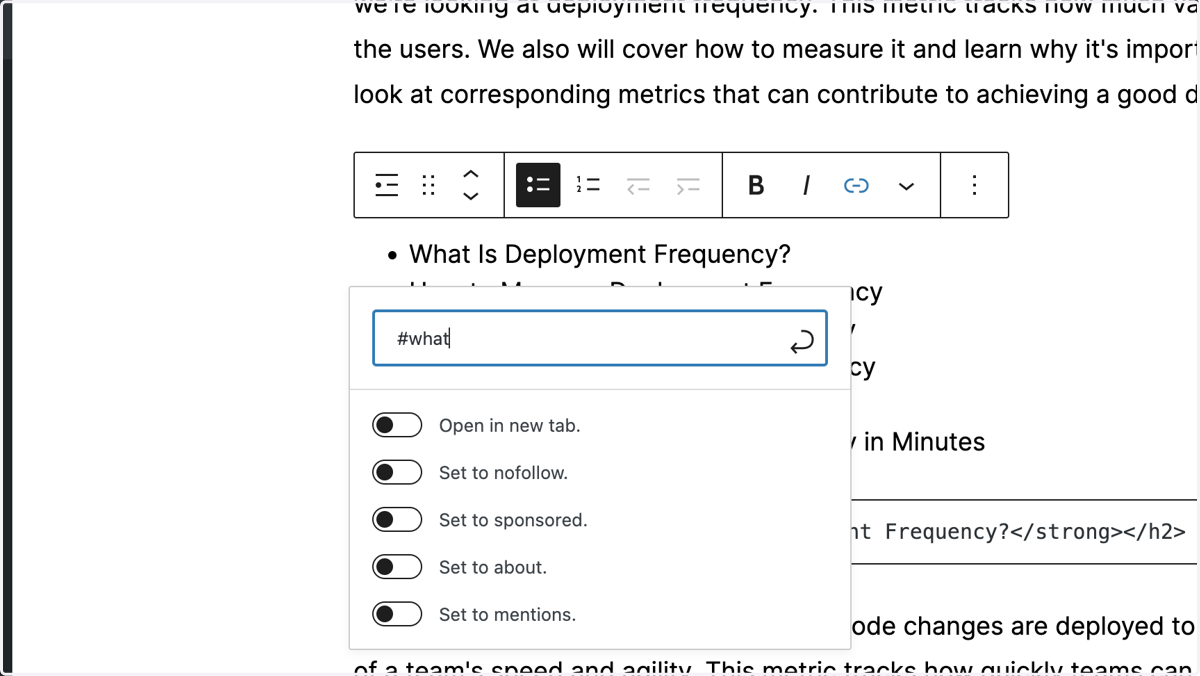
18. Repeat Above Steps for Every H2 in the Table of Contents List
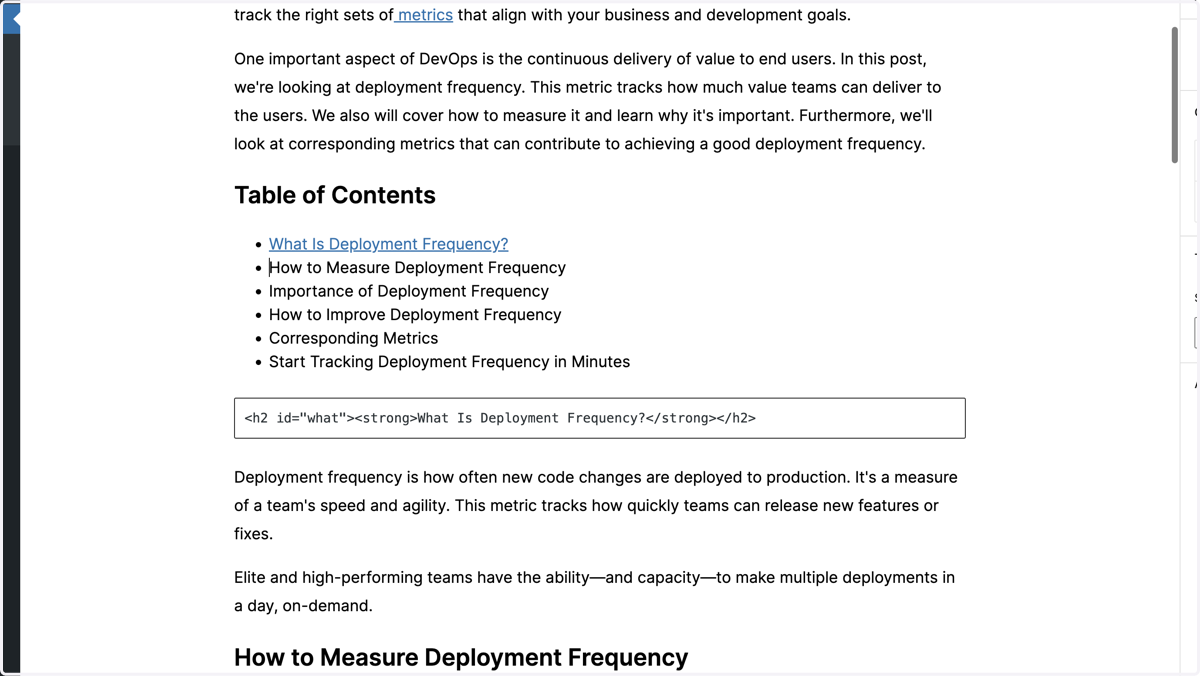
19. Add an Approved Reusable Image or GIF Between Two Paragraphs
There are 4 types of reusable blocks:
Image - approved product screenshot for specific metrics or tabsGIF - approved product GIFs for specific actions
CTA - a mid-funnel CTA graphic that links to a product marketing page, thought leadership blog or customer story blog
Demo CTA - a bottom funnel CTA graphic that links to the Get Started page
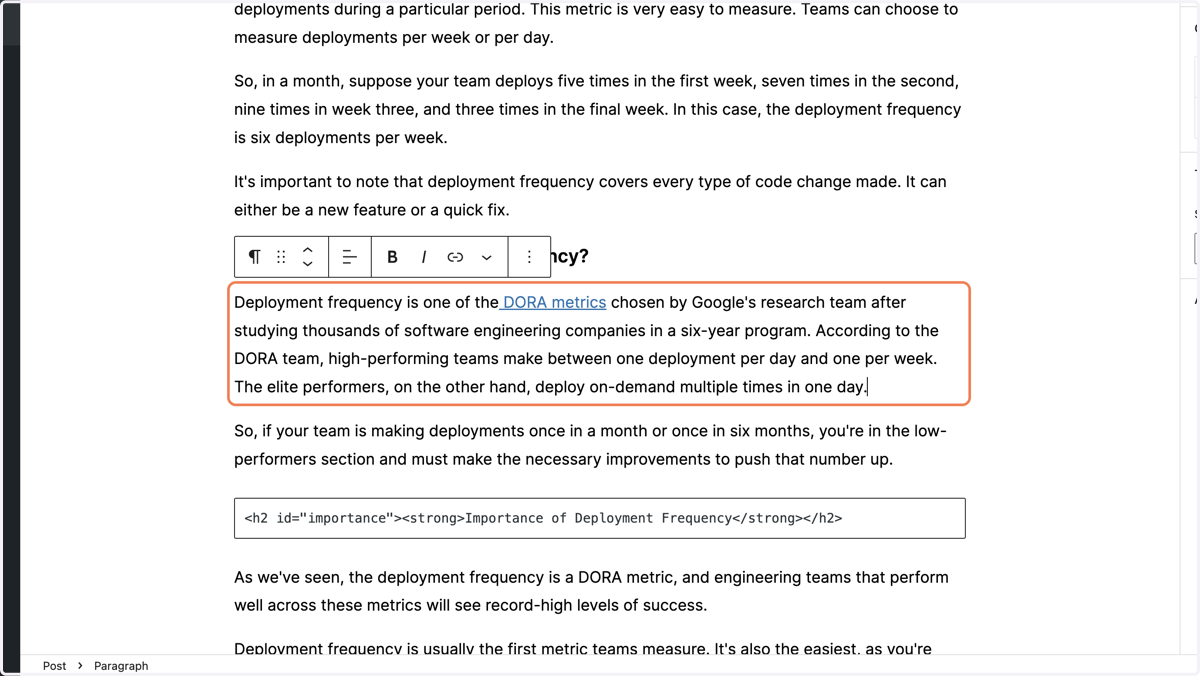
20. Click on the Plus Sign to Add a Block & then Click Browse All
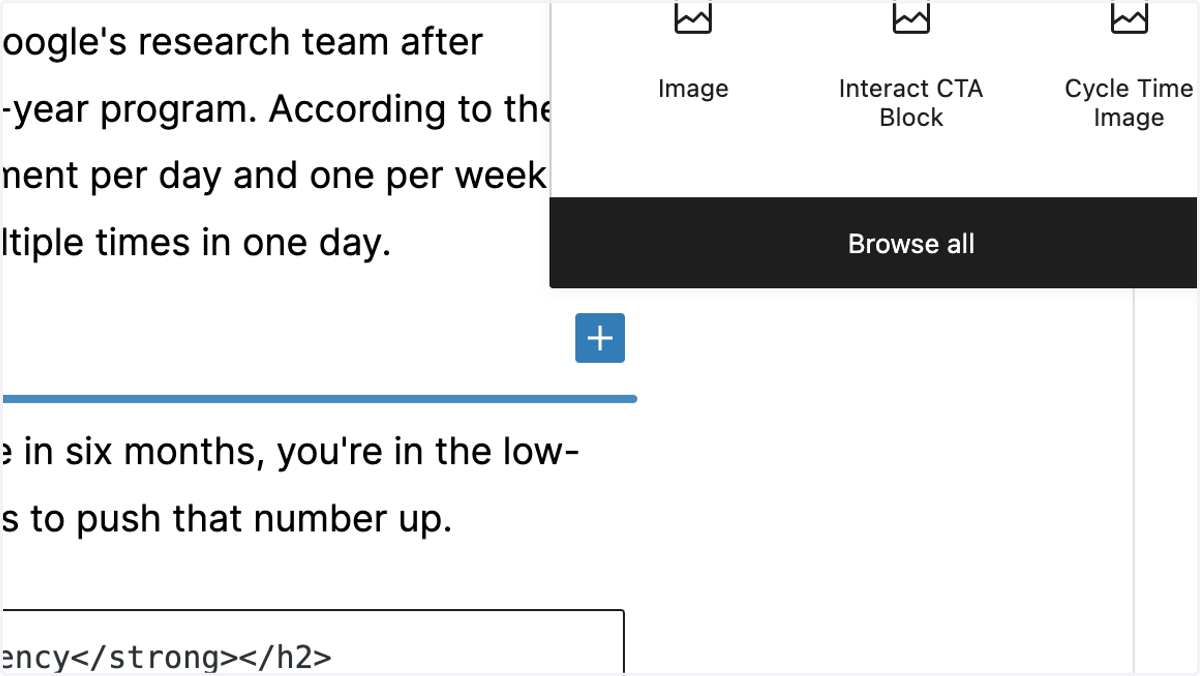
21. Click on Reusable
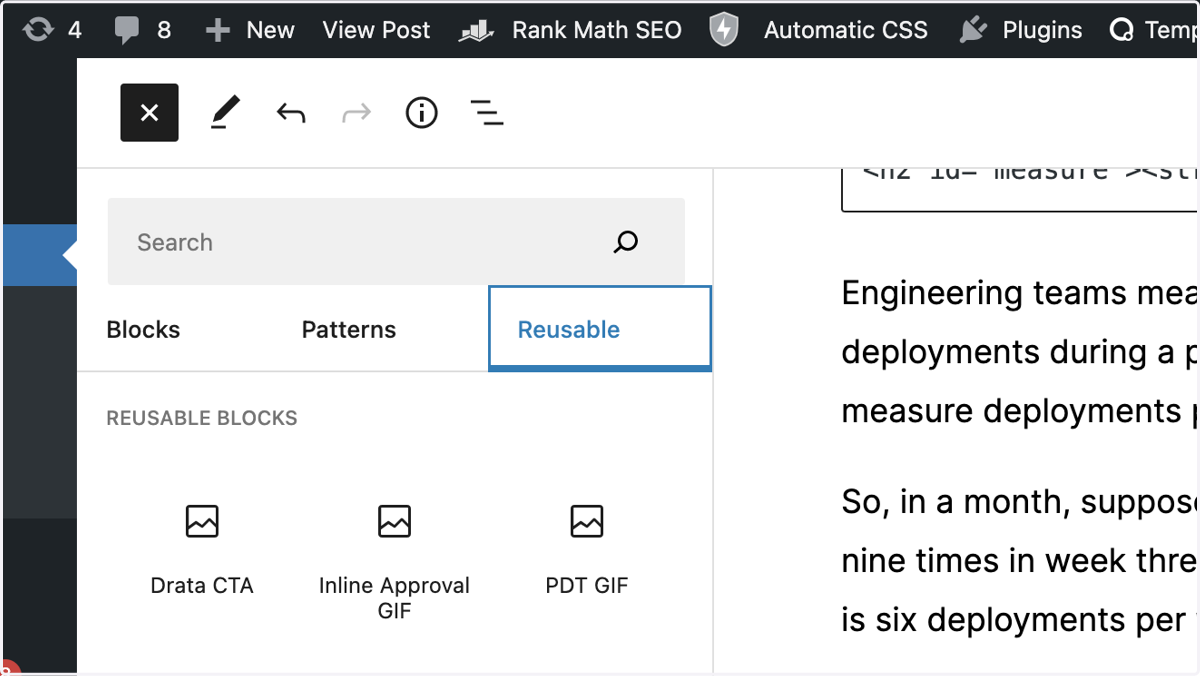
22. Find the Reusable Image or GIF You Want
There are 4 types of reusable blocks:
Image - approved product screenshot for specific metrics or tabsGIF - approved product GIFs for specific actions
CTA - a mid-funnel CTA graphic that links to a product marketing page, thought leadership blog or customer story blog
Demo CTA - a bottom funnel CTA graphic that links to the Get Started page
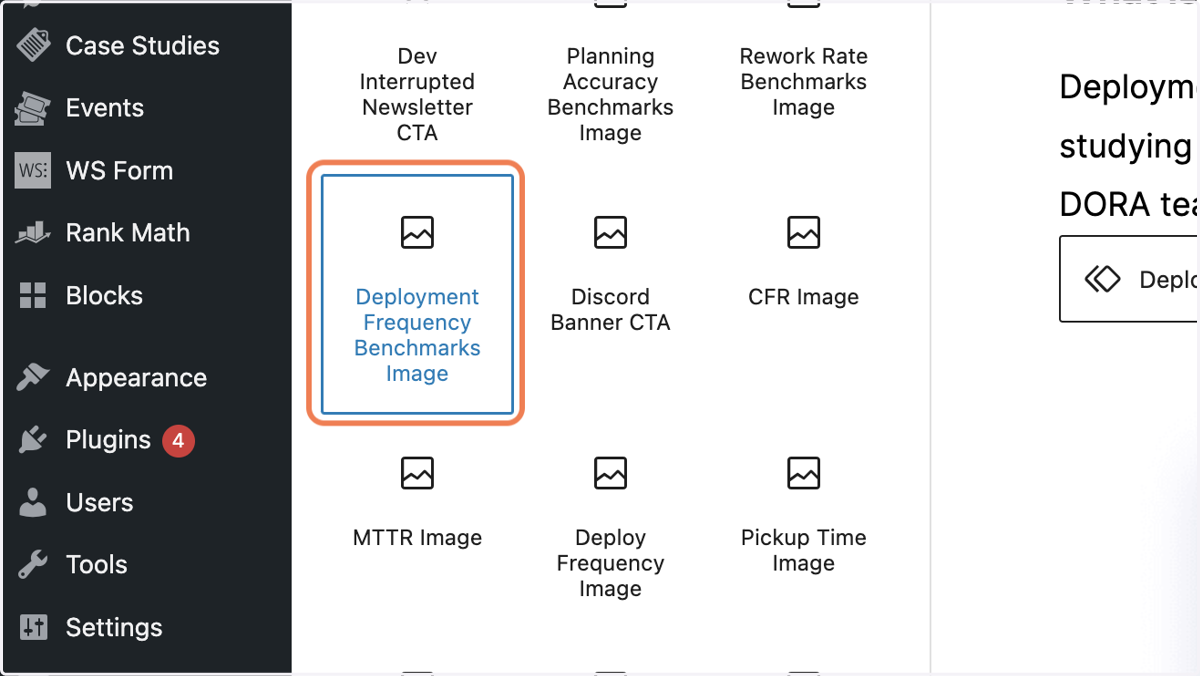
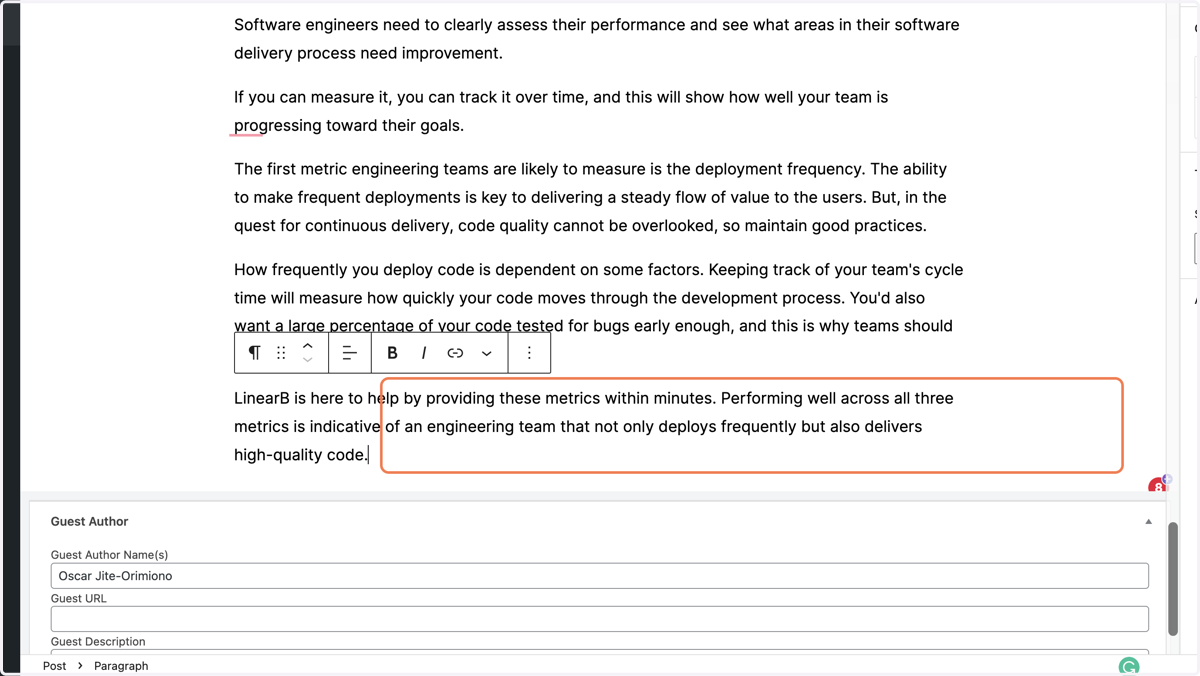
23. Add a Demo CTA Block at the End of the Blog
There are 4 types of reusable blocks:
Image - approved product screenshot for specific metrics or tabsGIF - approved product GIFs for specific actions
CTA - a mid-funnel CTA graphic that links to a product marketing page, thought leadership blog or customer story blog
Demo CTA - a bottom funnel CTA graphic that links to the Get Started page
Linearb
24. Click on the Plus Sign to Add a Block & then Click Browse All
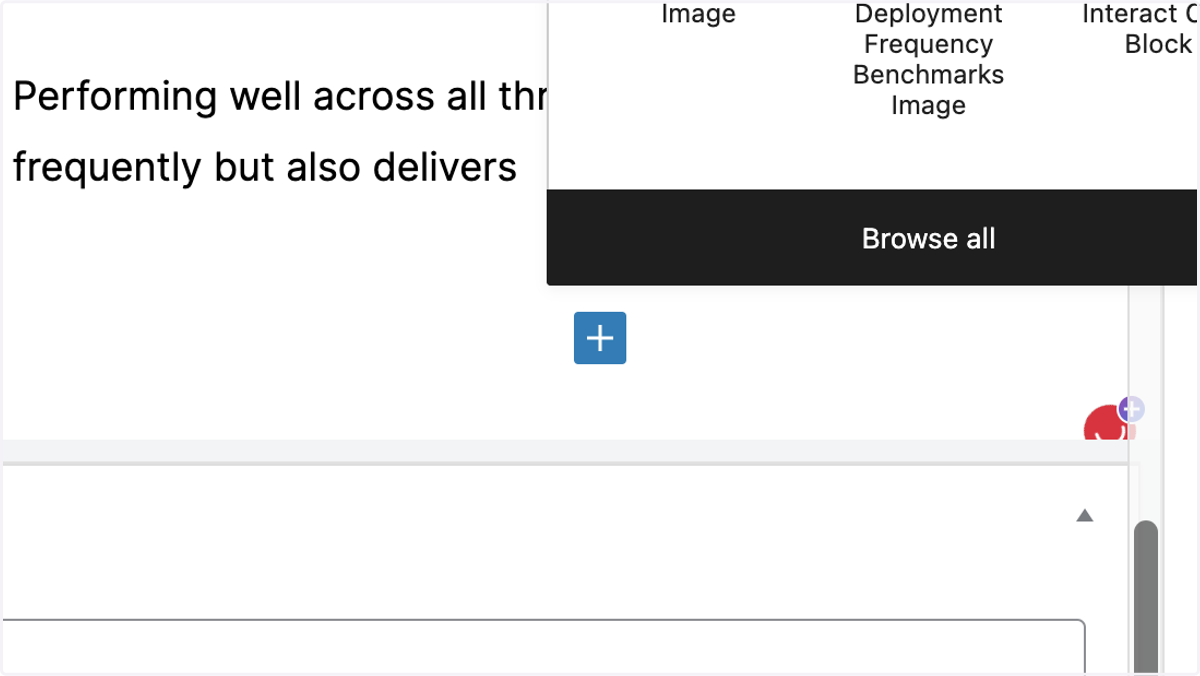
25. Click on Reusable
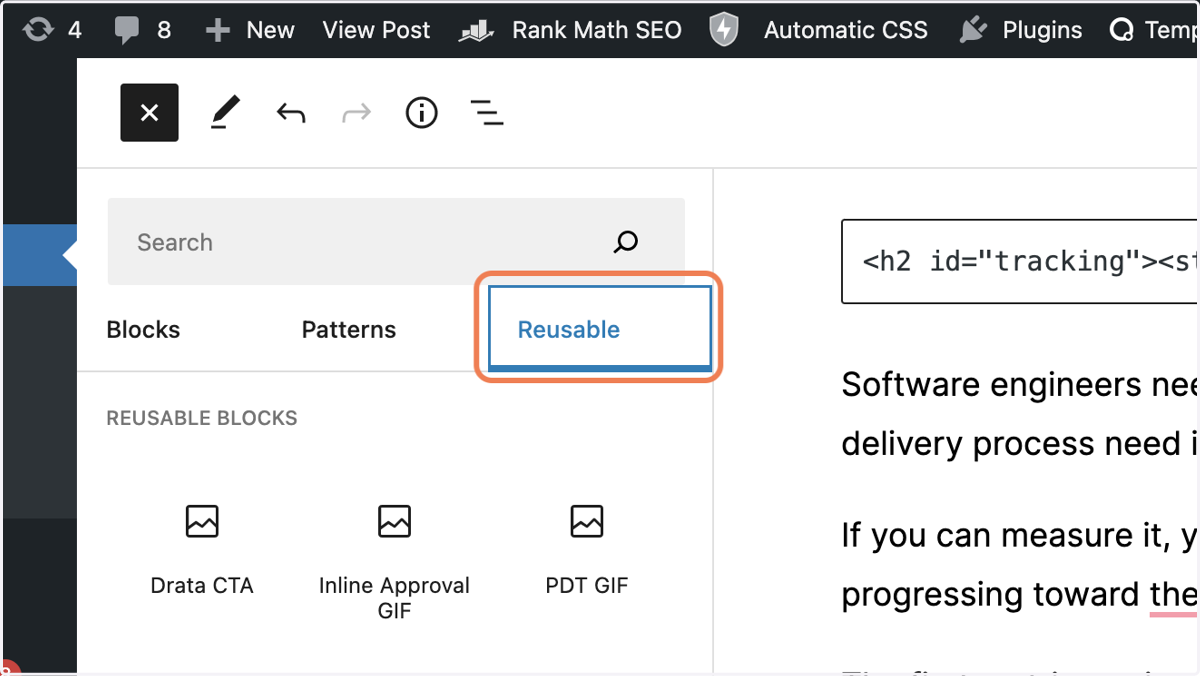
26. Find the Demo CTA You Want
There are 4 types of reusable blocks:
Image - approved product screenshot for specific metrics or tabsGIF - approved product GIFs for specific actions
CTA - a mid-funnel CTA graphic that links to a product marketing page, thought leadership blog or customer story blog
Demo CTA - a bottom funnel CTA graphic that links to the Get Started page
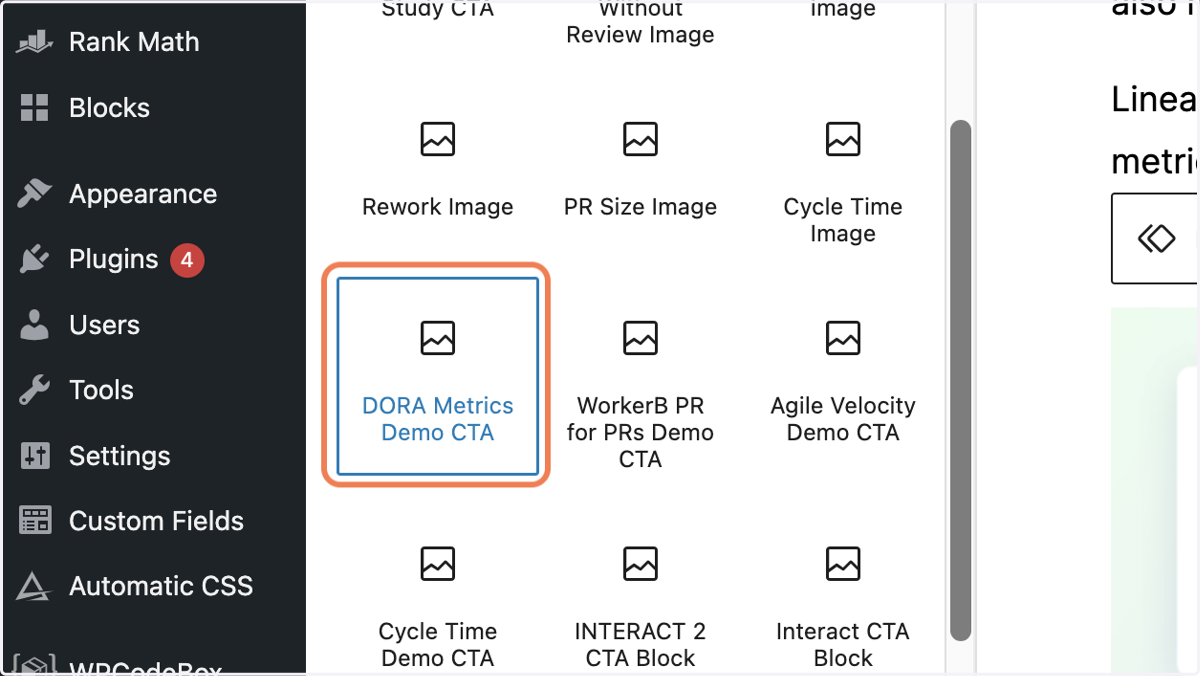
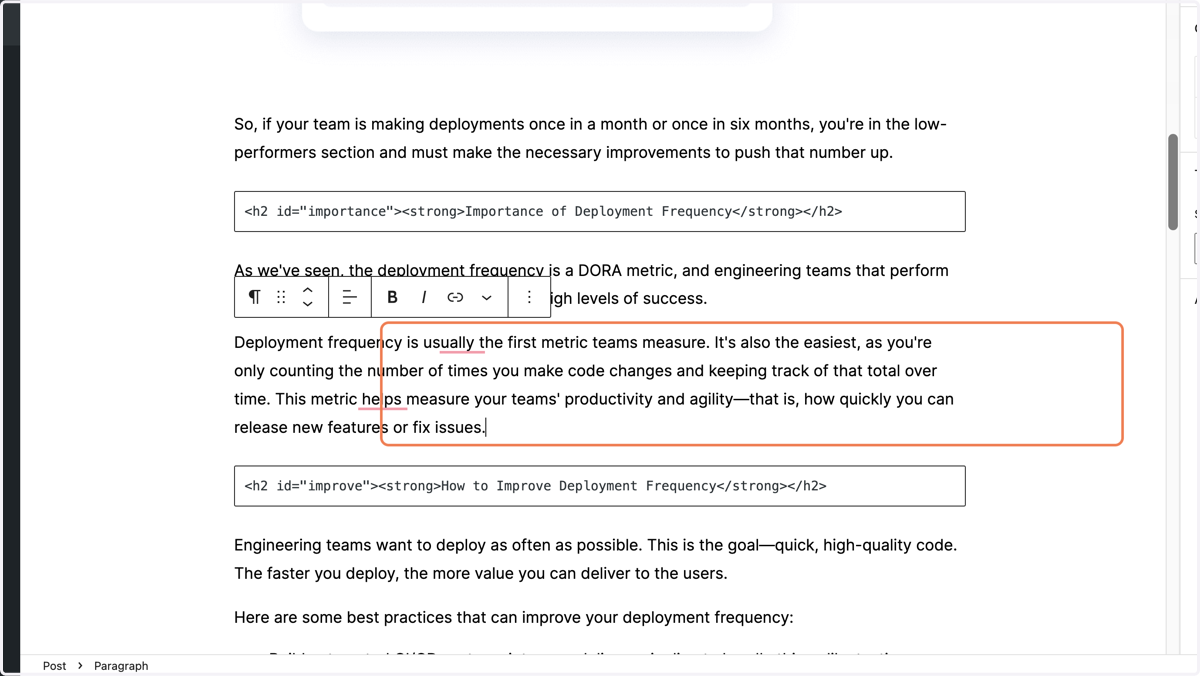
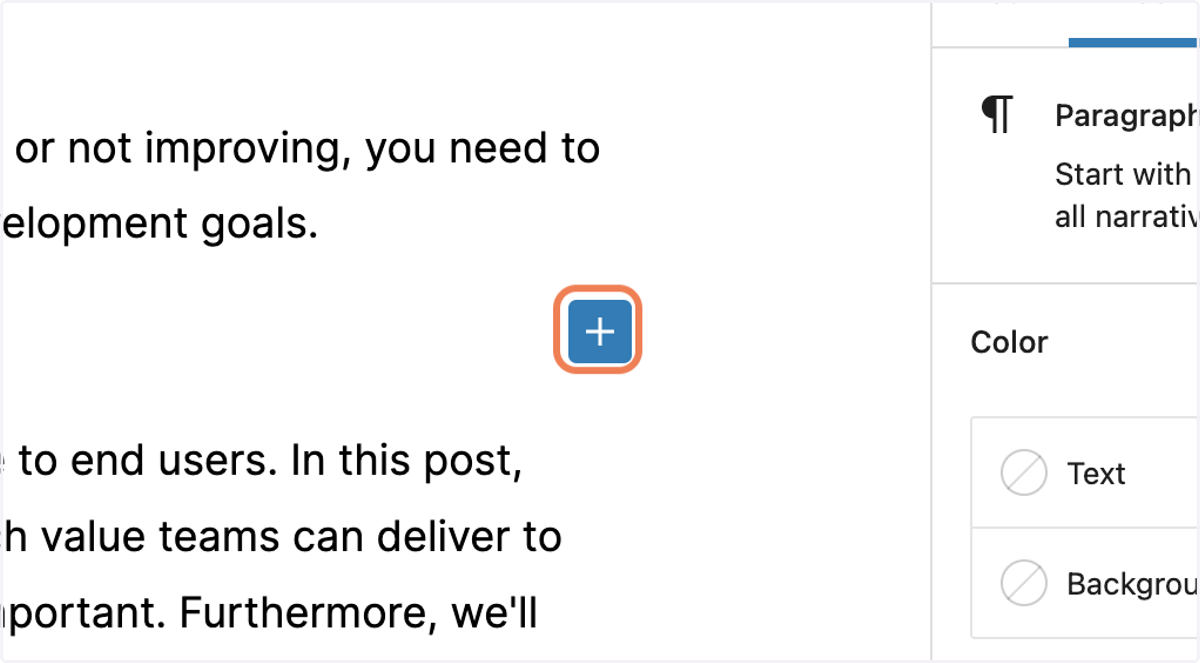
27. Add a Mid-Funnel CTA Block Between Two Paragraphs
There are 4 types of reusable blocks:
Image - approved product screenshot for specific metrics or tabsGIF - approved product GIFs for specific actions
CTA - a mid-funnel CTA graphic that links to a product marketing page, thought leadership blog or customer story blog
Demo CTA - a bottom funnel CTA graphic that links to the Get Started page
Linearb
28. Click on the Plus Sign to Add a Block & then Click Browse All
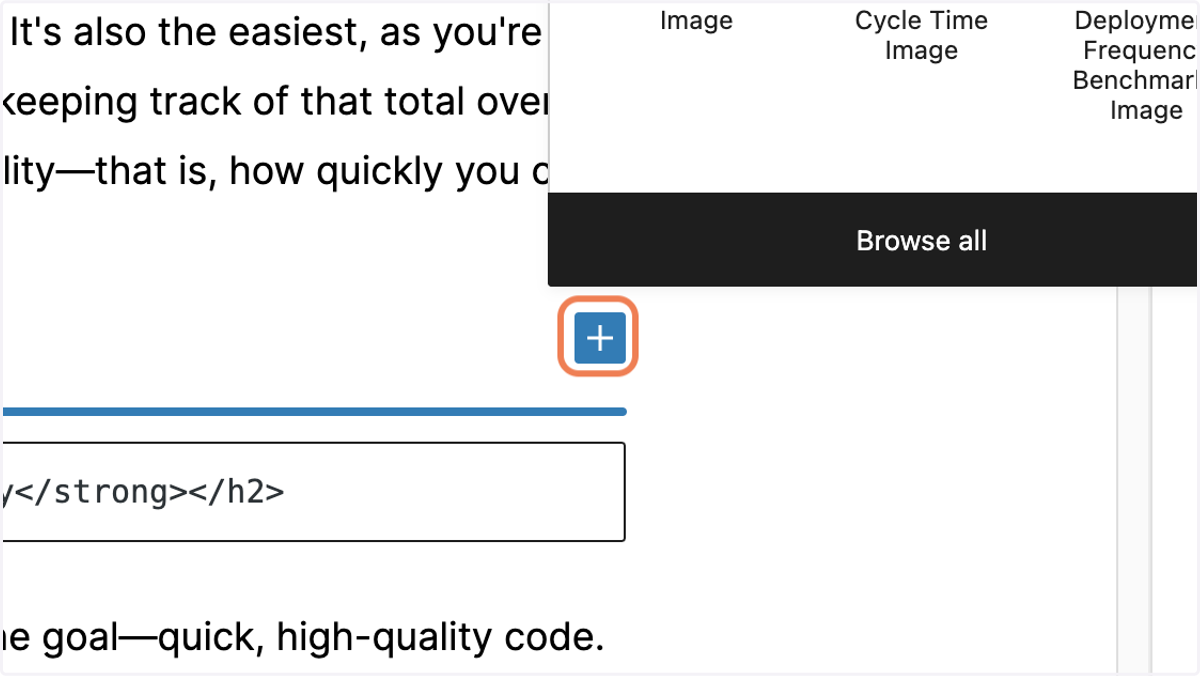
29. Click on Reusable
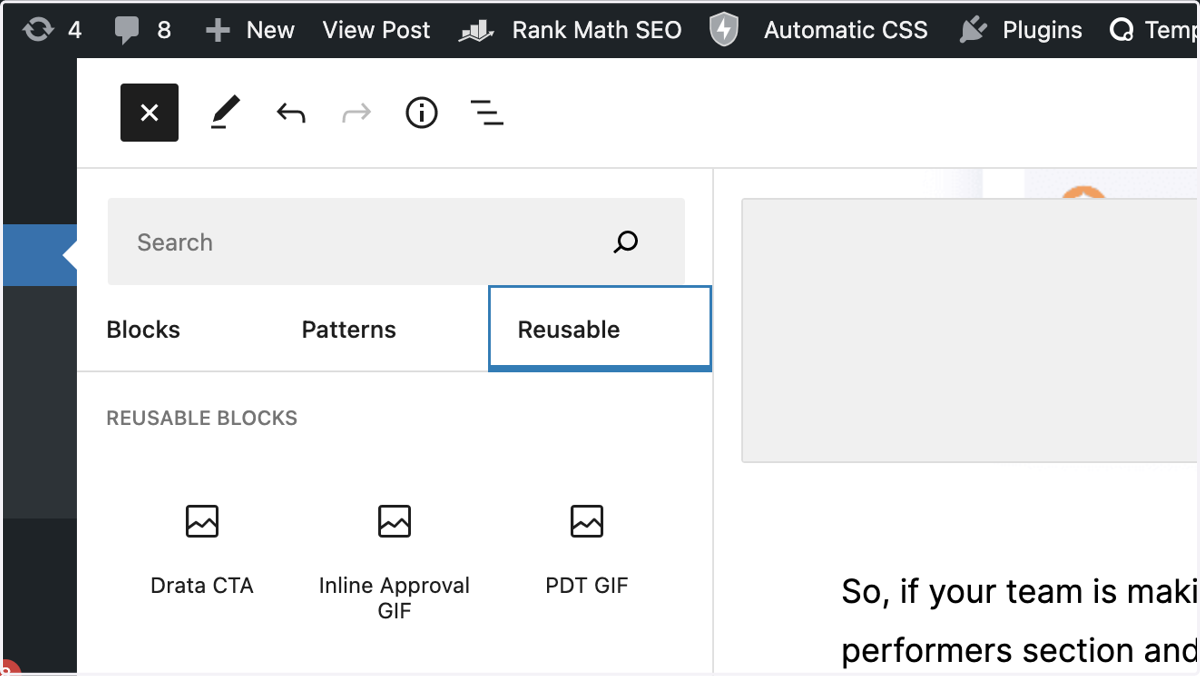
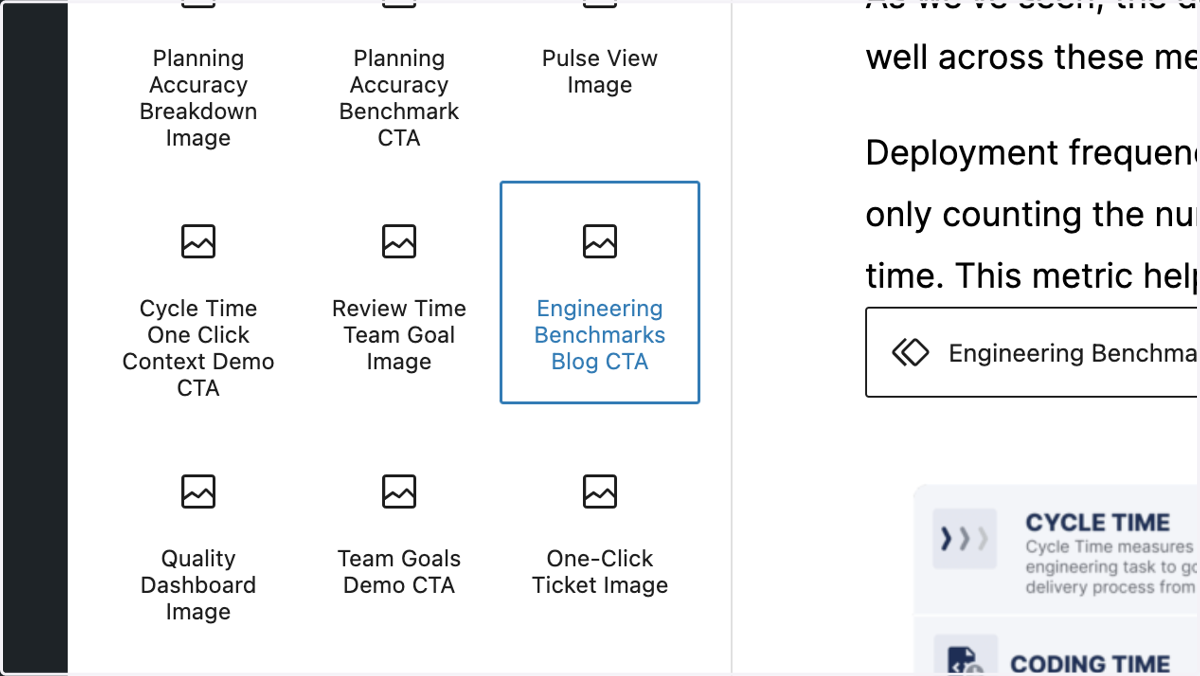
30. Find the Mid-Funnel CTA You Want
There are 4 types of reusable blocks:
Image - approved product screenshot for specific metrics or tabsGIF - approved product GIFs for specific actions
CTA - a mid-funnel CTA graphic that links to a product marketing page, thought leadership blog or customer story blog
Demo CTA - a bottom funnel CTA graphic that links to the Get Started page
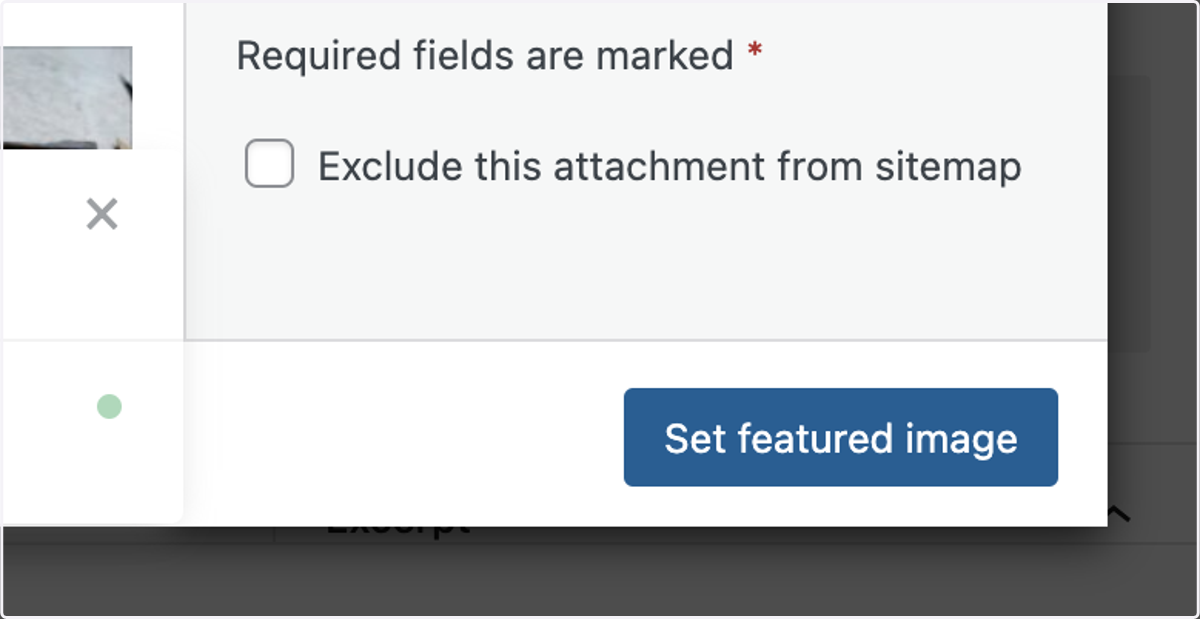
31. Add a YouTube Video Embed Between Two Paragraphs
Linearb
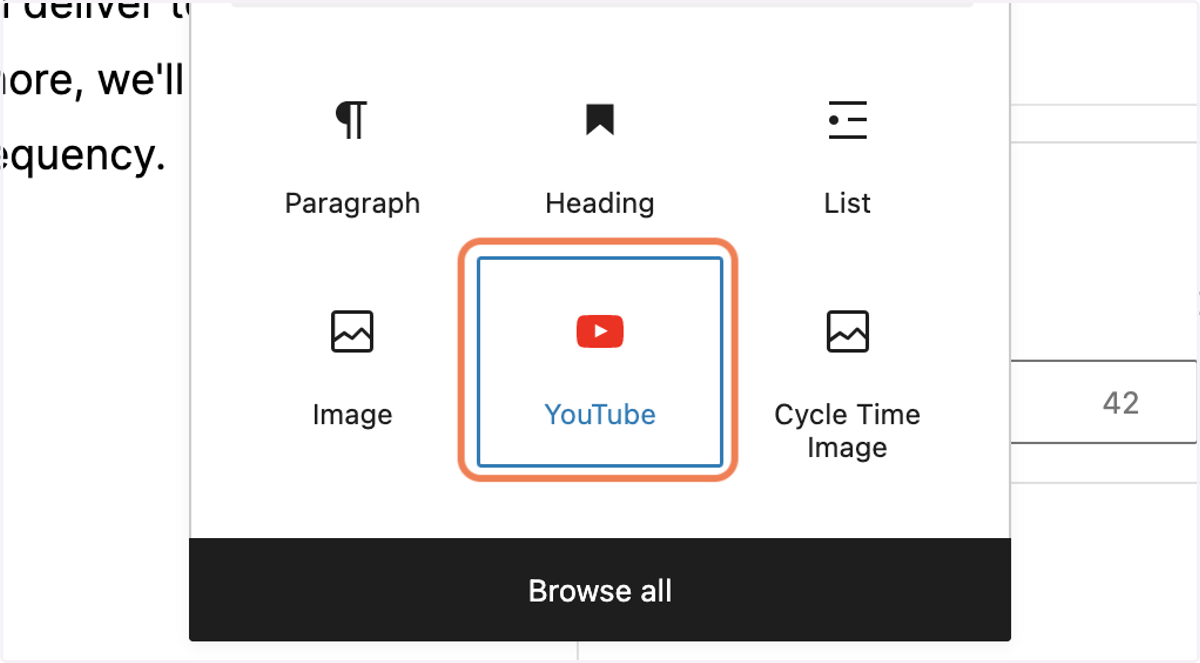
32. Type YouTube into the Search Bar and Select It
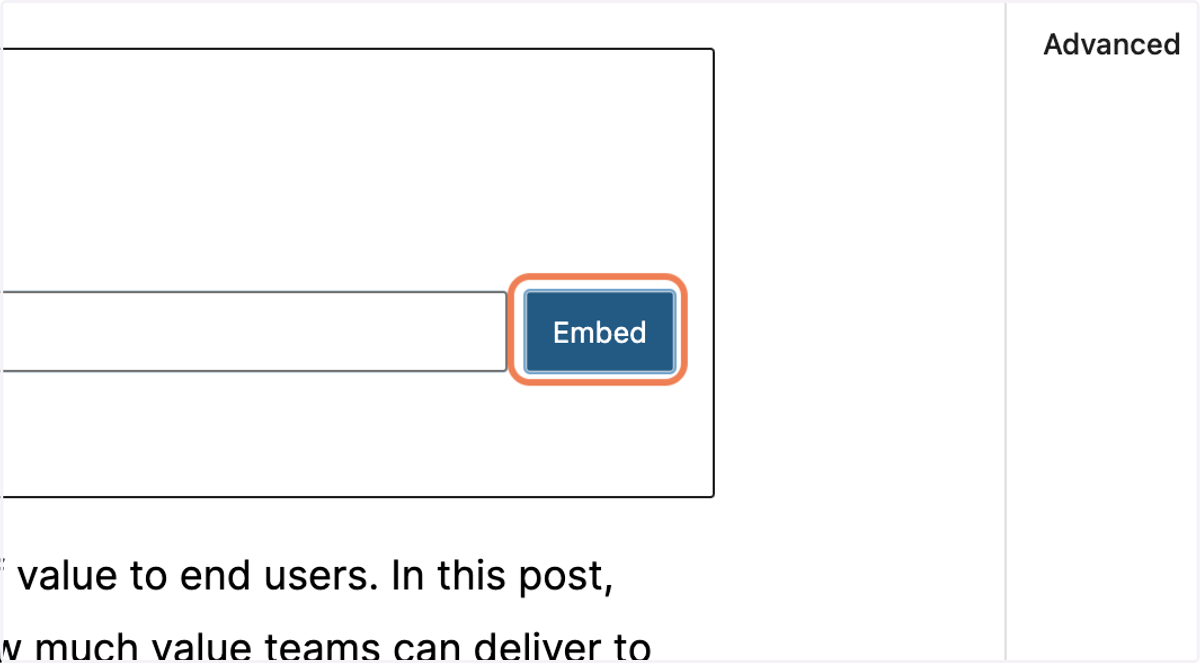
33. Paste the Regular URL of the Video You Want and Click on Embed
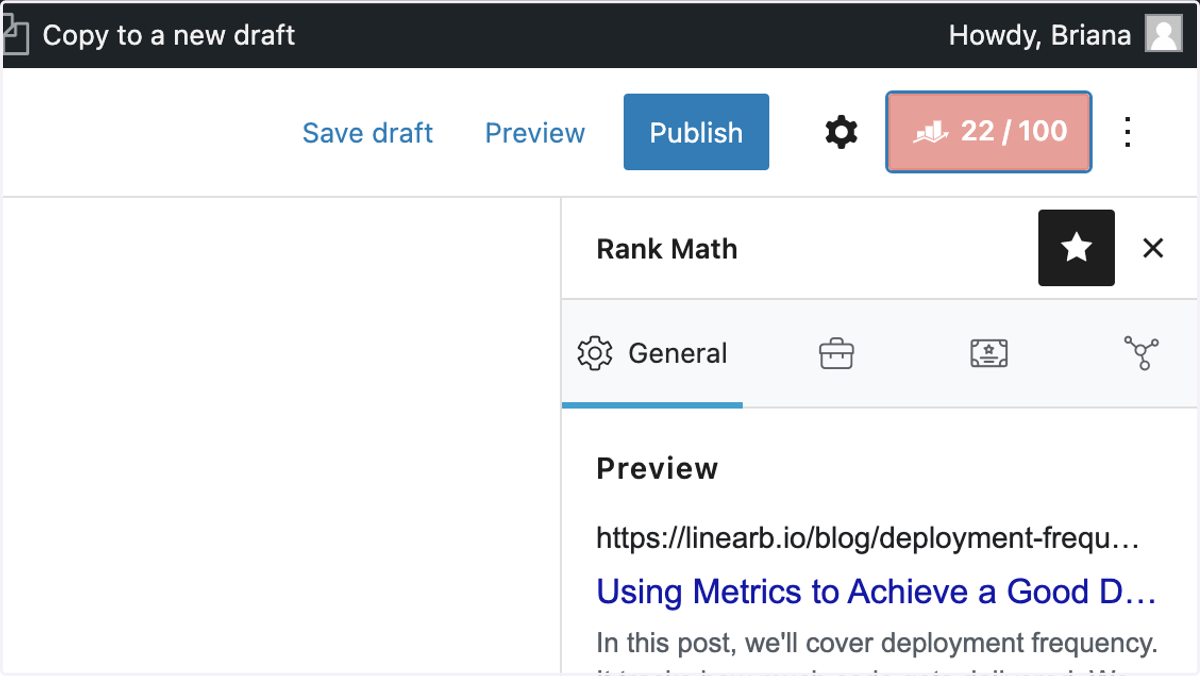
34. Optimize for Keywords by Clicking on the Rank Math Button
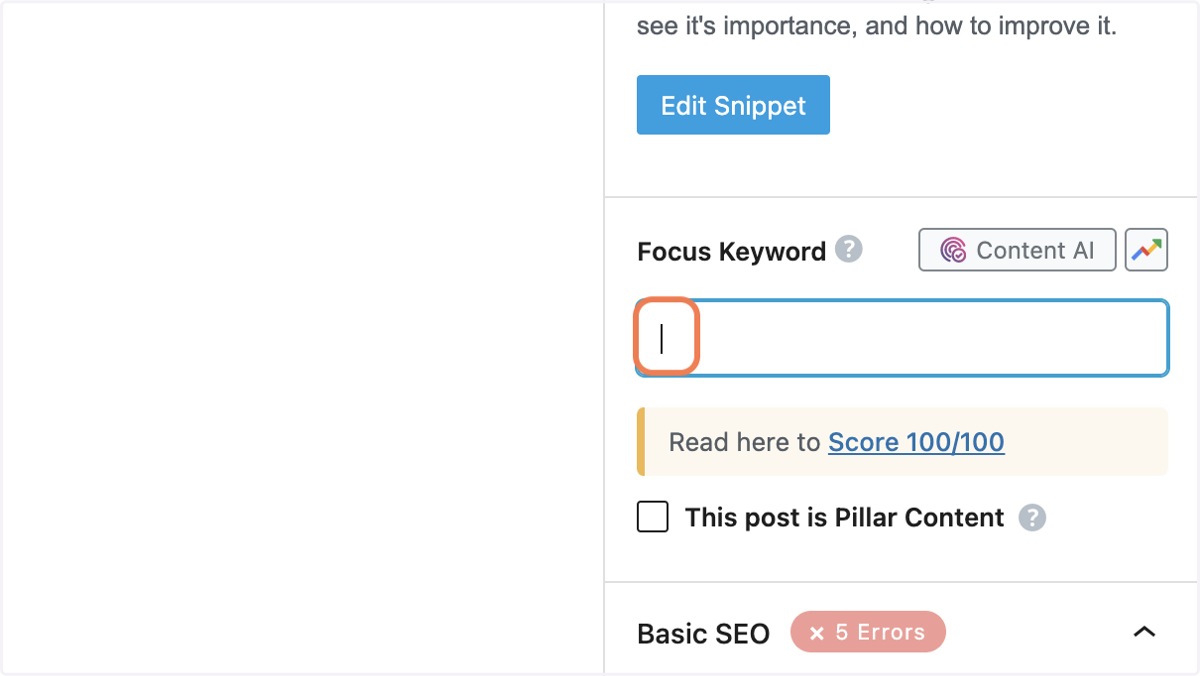
35. Add the Target Keyword(s)
Linearb
36. Ensure the Primary Keyword is First
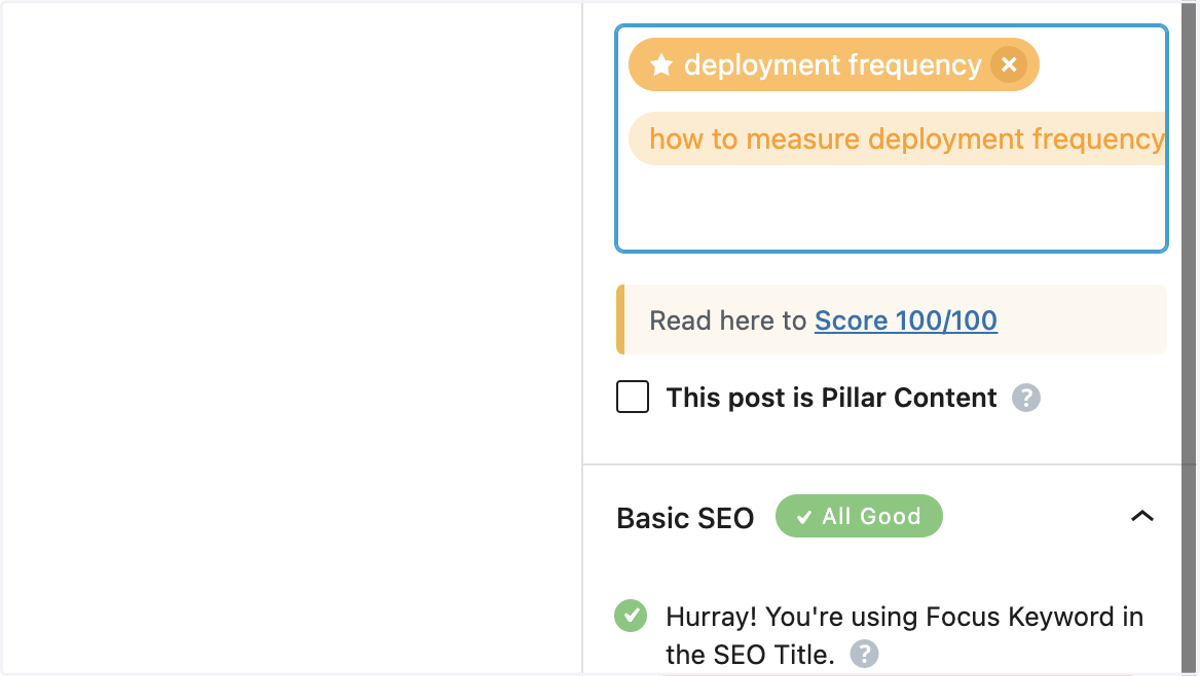
37. Review the Meta Title & Description
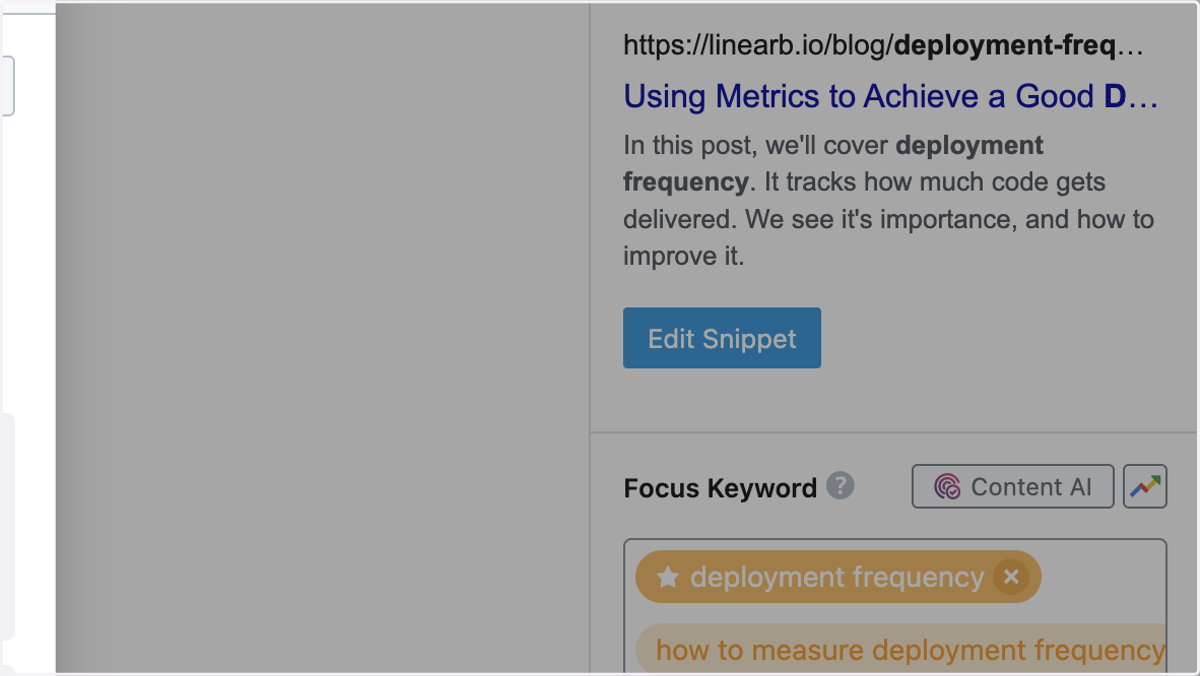
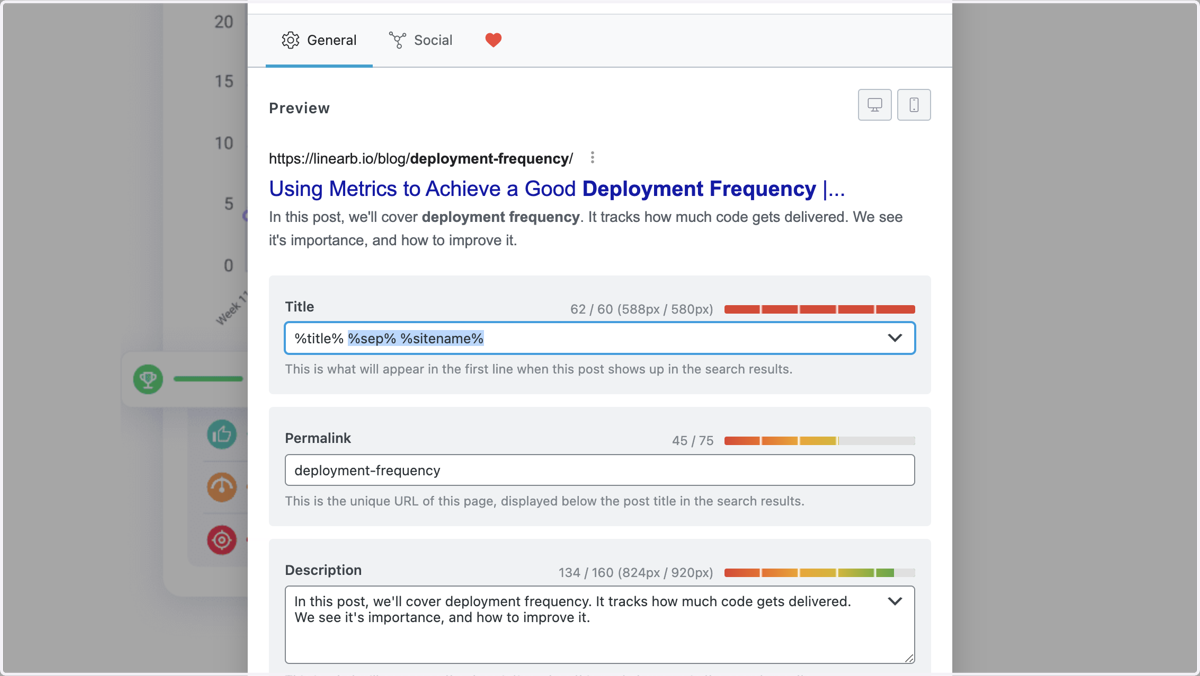
38. Edit the Meta Title
If the title is too long, you can remove the separator and site name (- LinearB), or get with the SEO Specialist to revise the blog title.
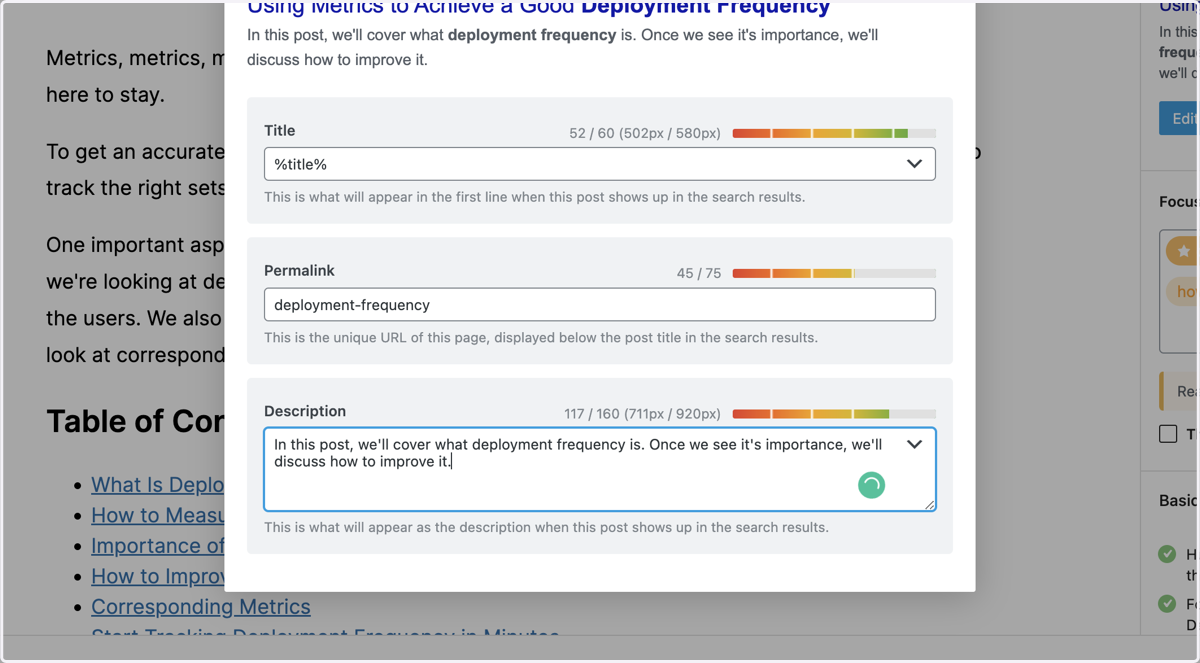
39. Edit the Meta Description if Needed
Linearb
40. Click on Close. There is No Save Button.
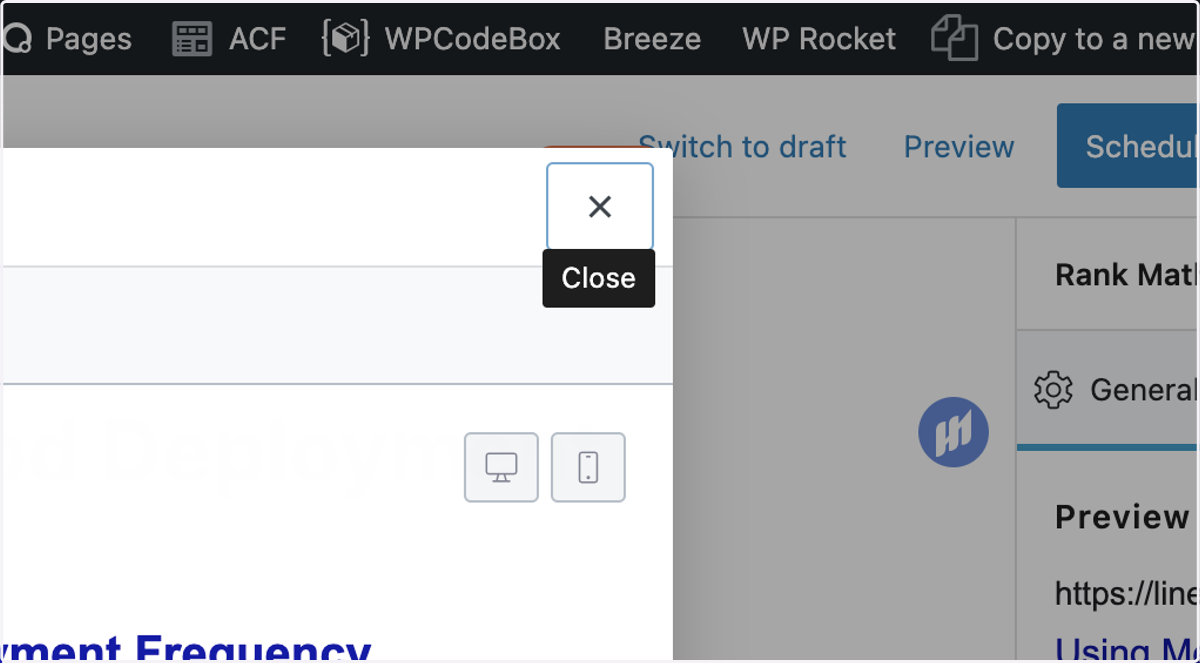
41. Click on Settings
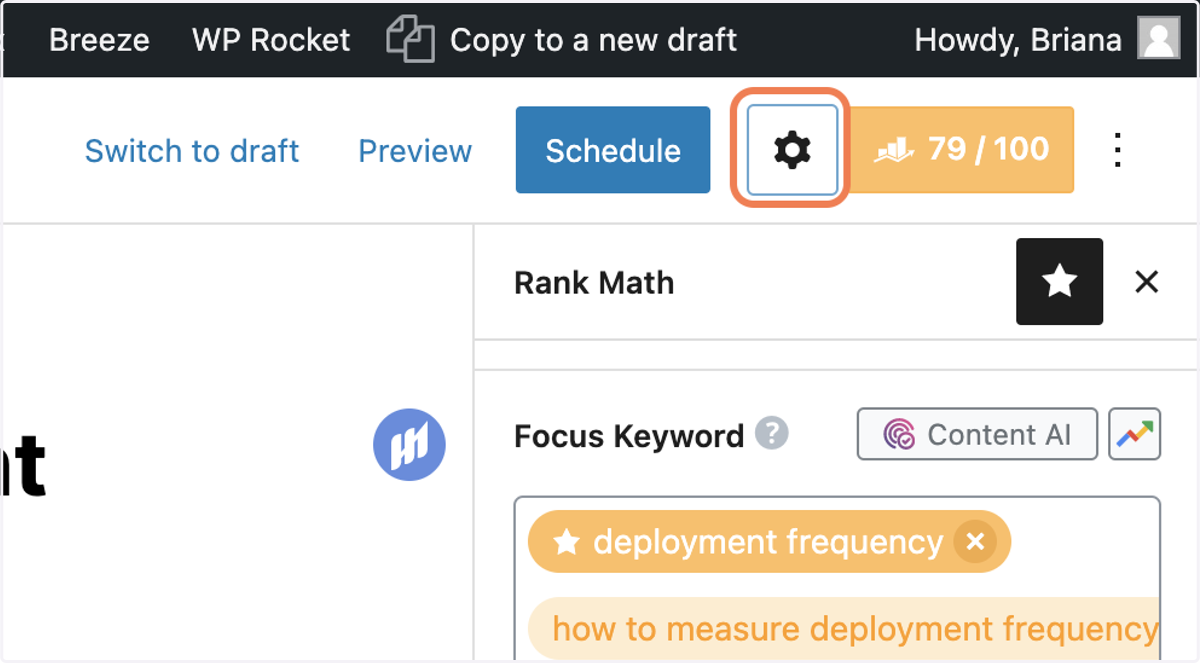
42. Update Any Changes Made to the Meta Description in the Excerpt
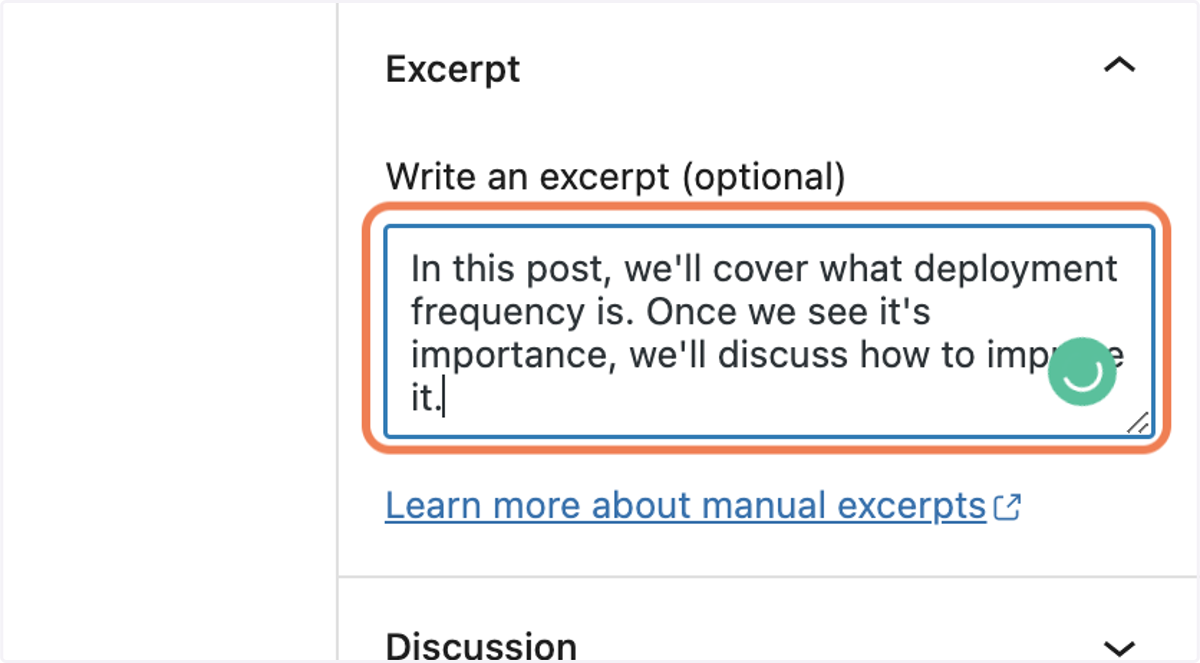
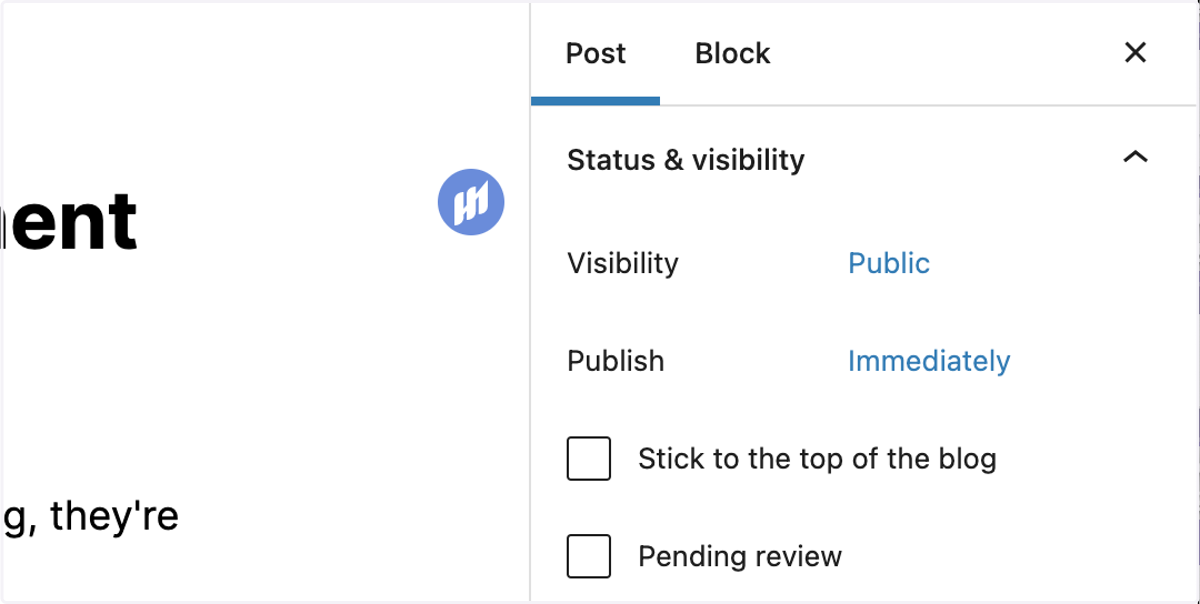
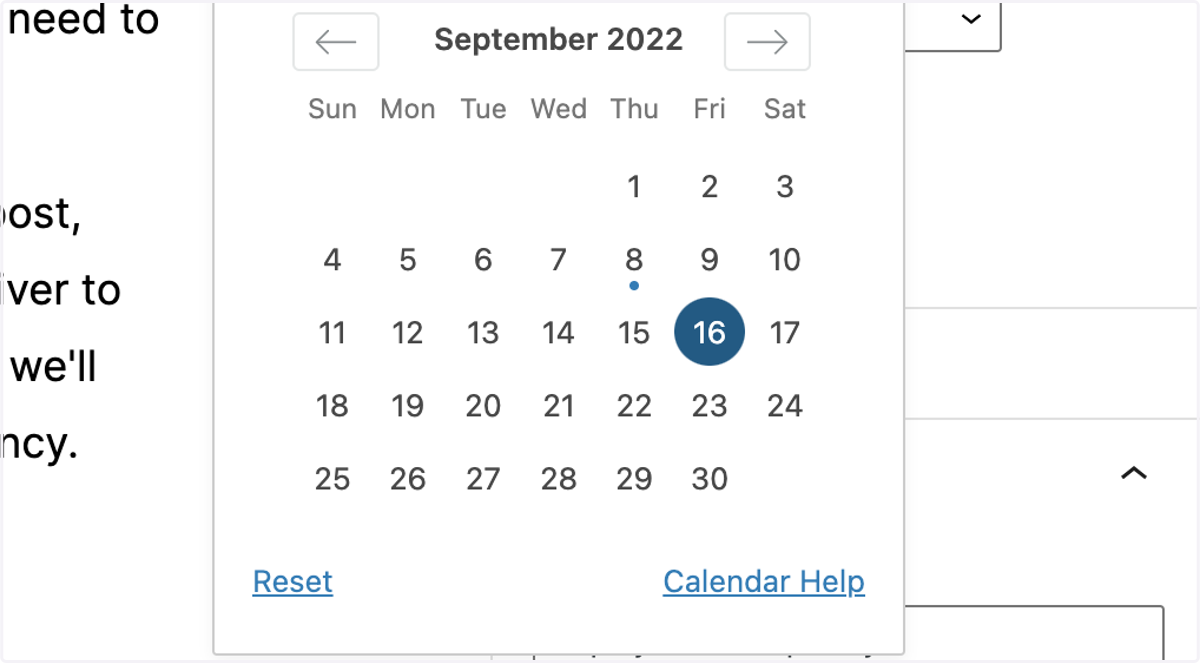
43. Click on Immediately to Change the Publish Date
Linearb
44. Schedule the Publish Date at Least a Week in the Future
The time is irrelevant here. This just gives the SEO Specialist a week to review the blog before the official publish date and time is updated.
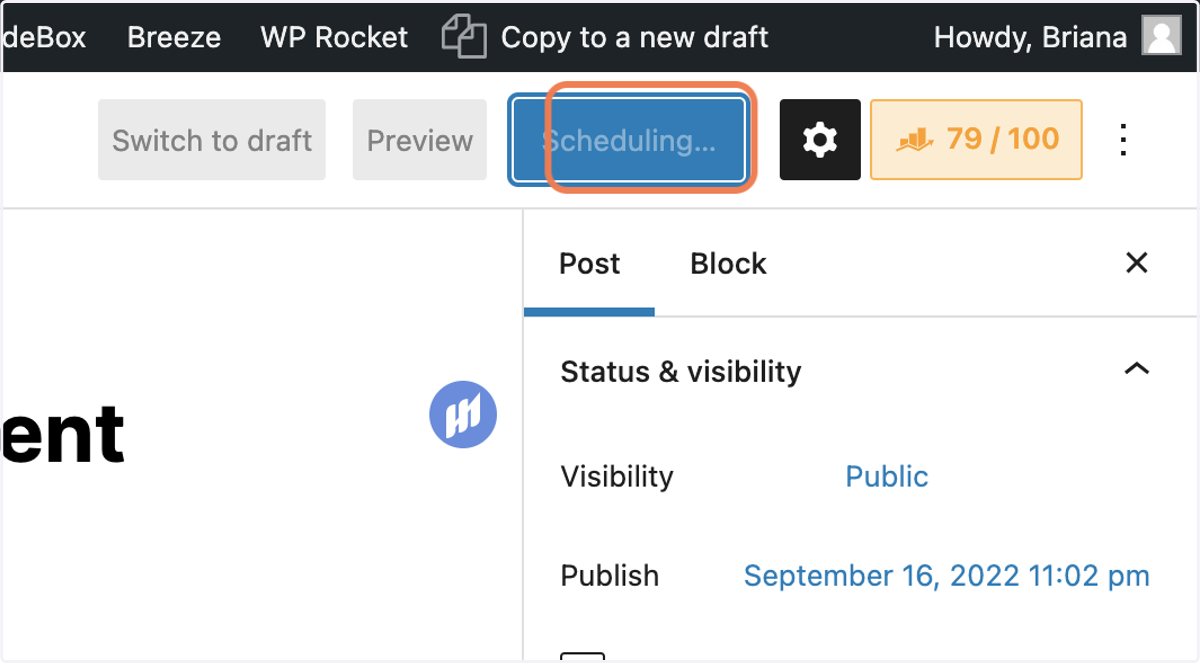
45. Click on Schedule
46. Create a Blog Feature Image from Figma Templates
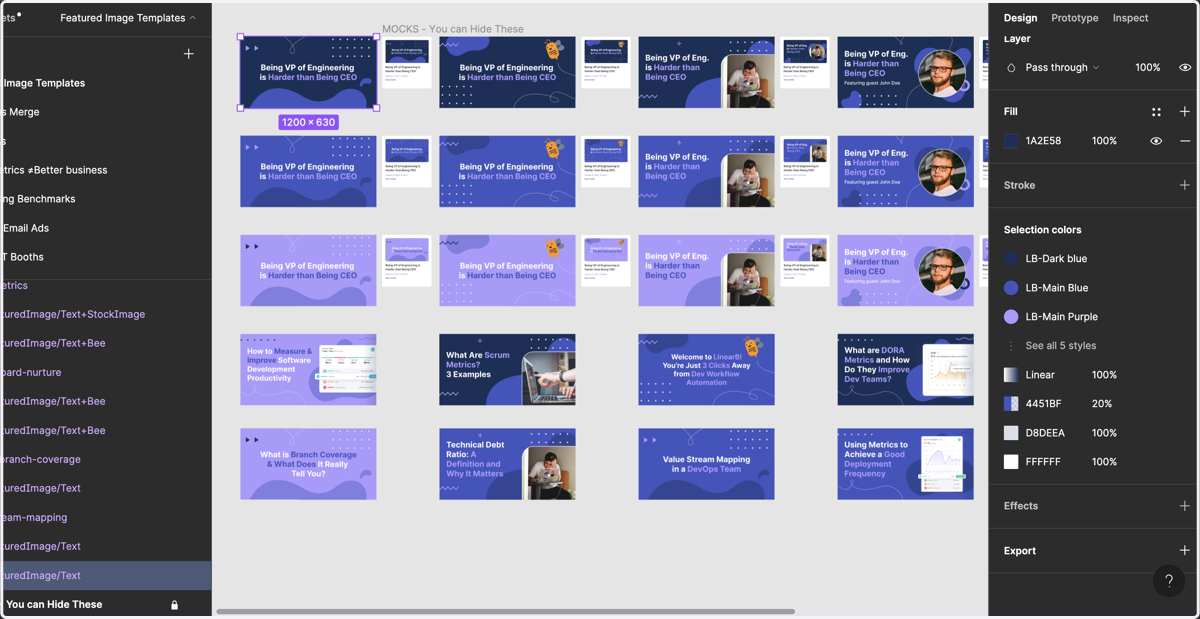
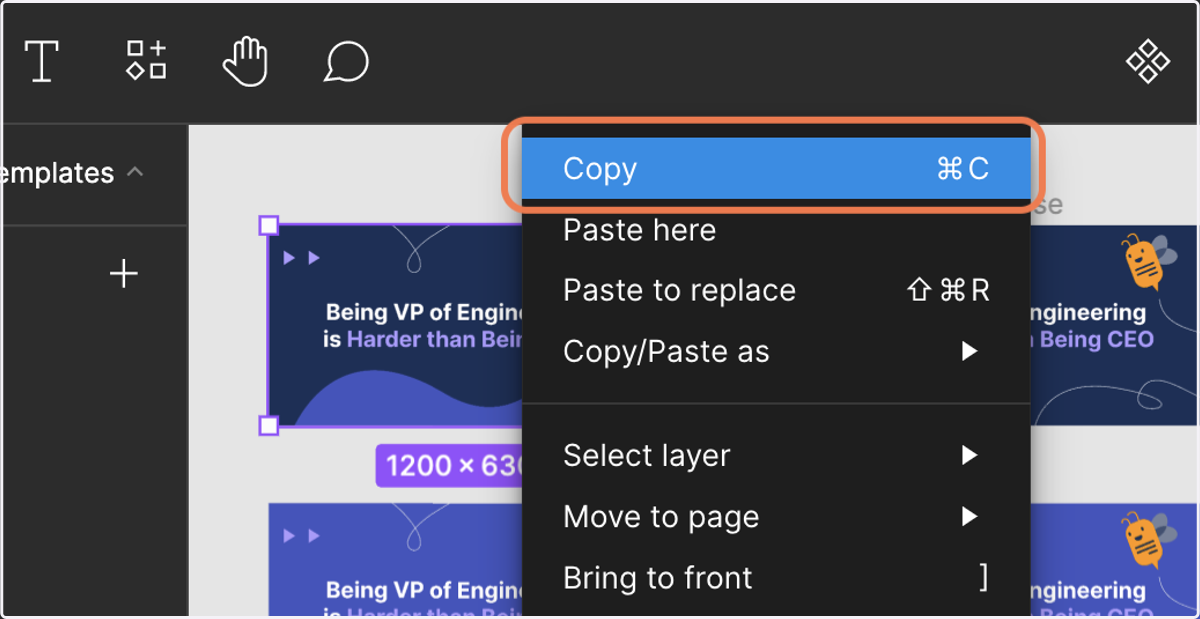
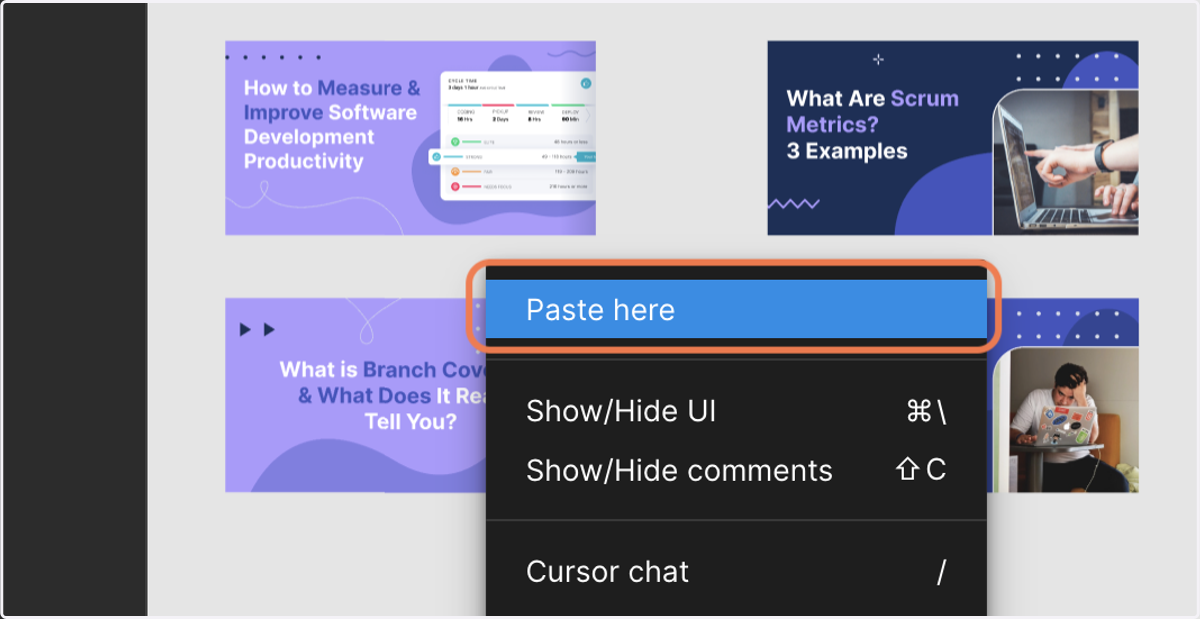
47. Copy the Design Template You Want
Linearb
48. Paste the Design Template You Want to Customize
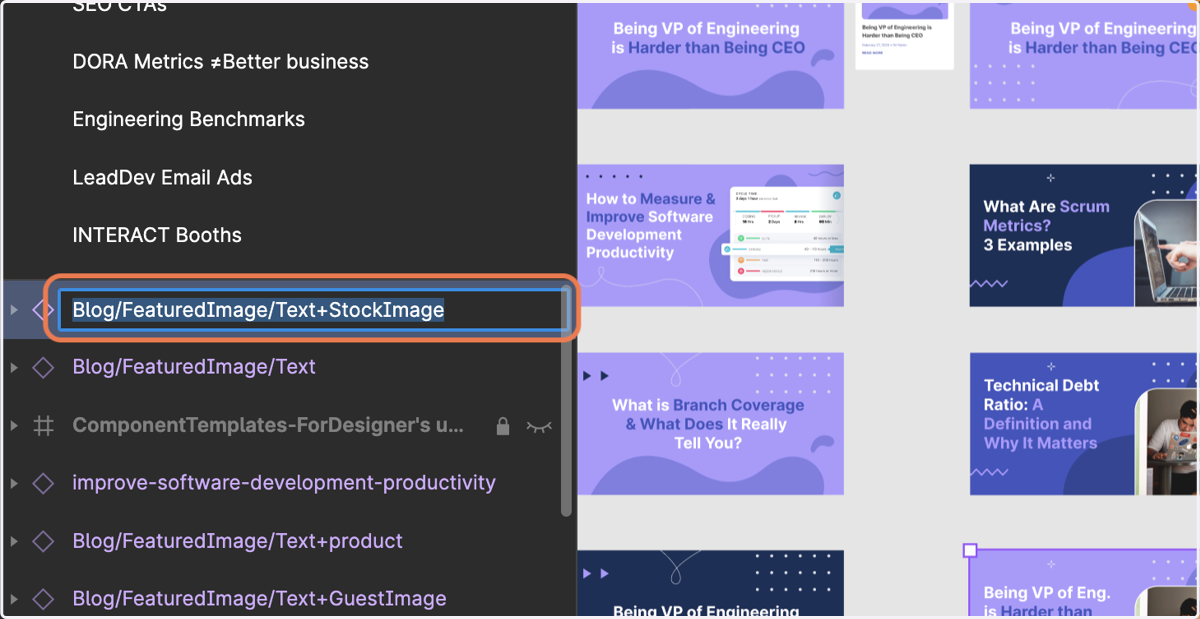
49. Click on Blog/FeaturedImage/Text+StockImage
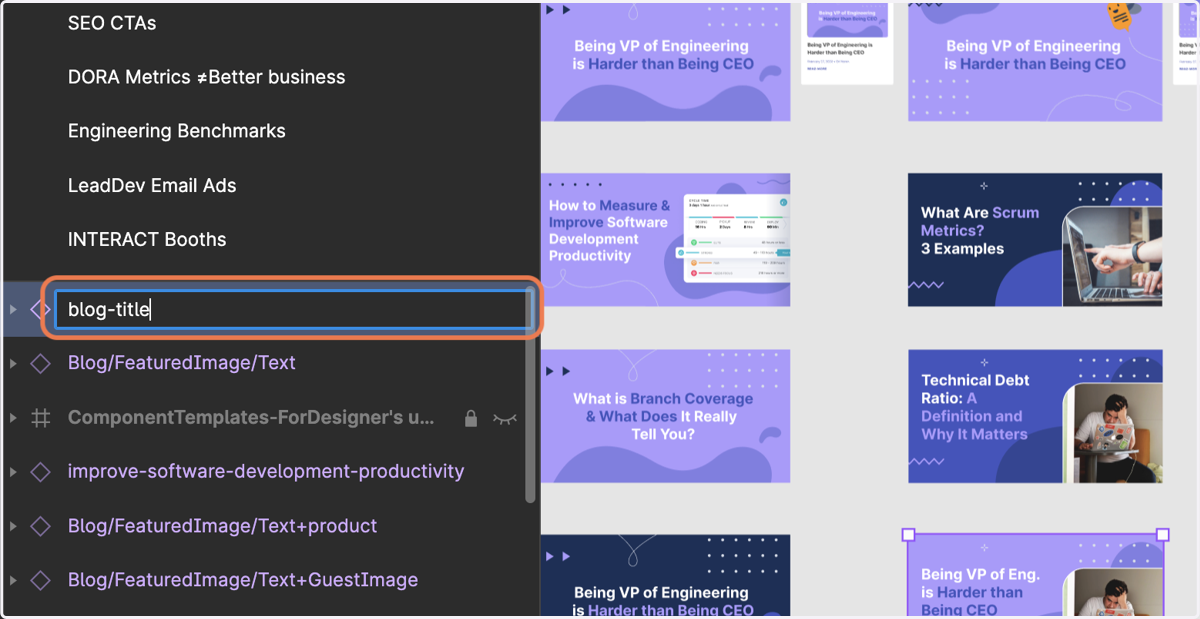
50. Rename the Design
Use the blog title or slug, ensuring the filename is lowercased and words are separated by hyphens, never underscores.
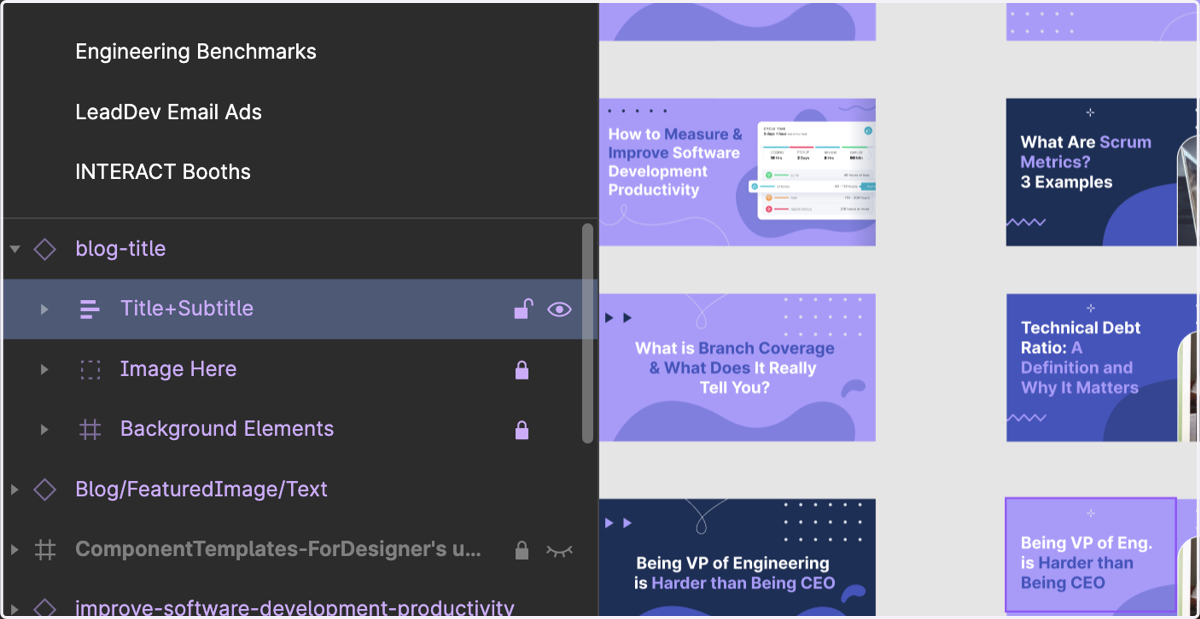
51. Click on Title+Subtitle
Linearb
52. Input the "Blog Title"
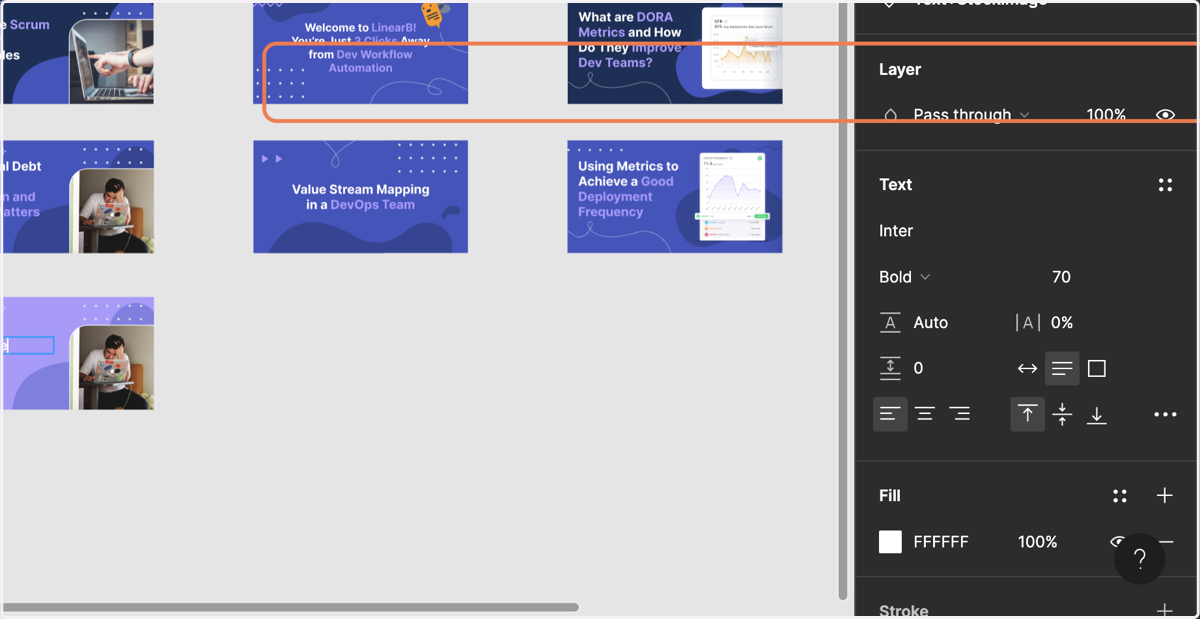
53. Click on Image Here
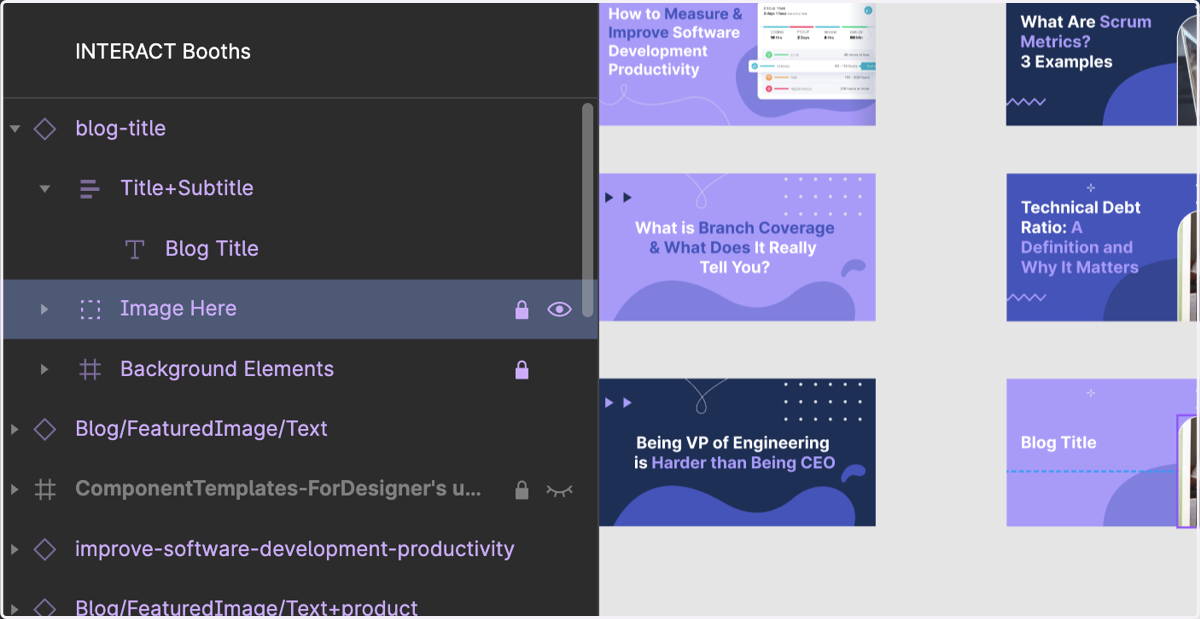
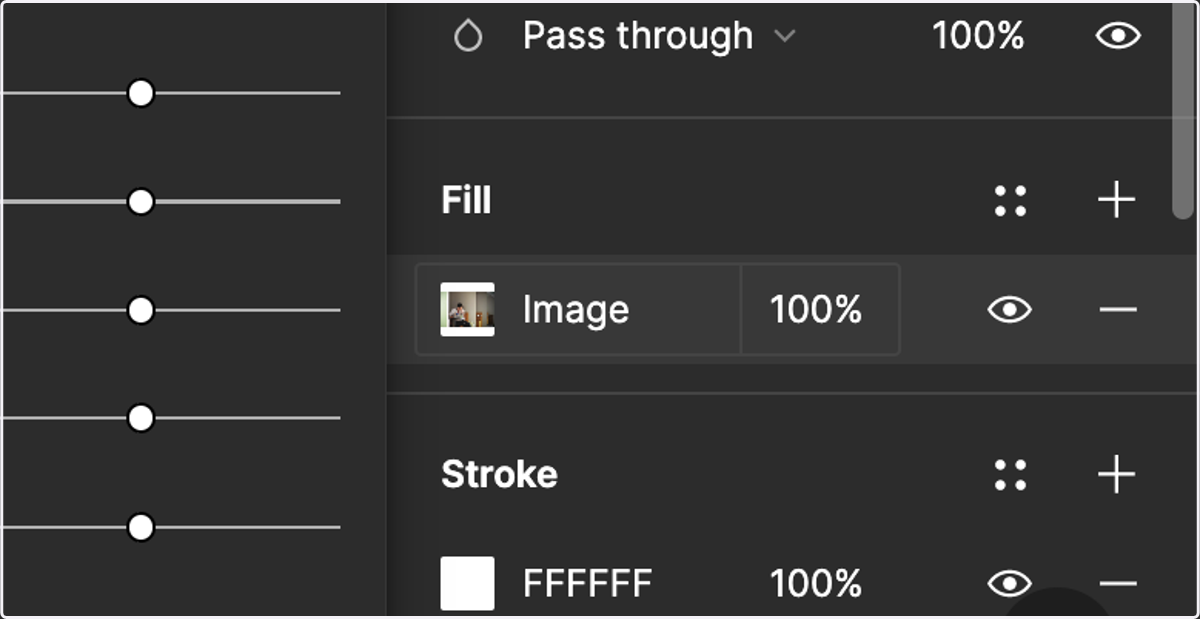
54. Click on Image
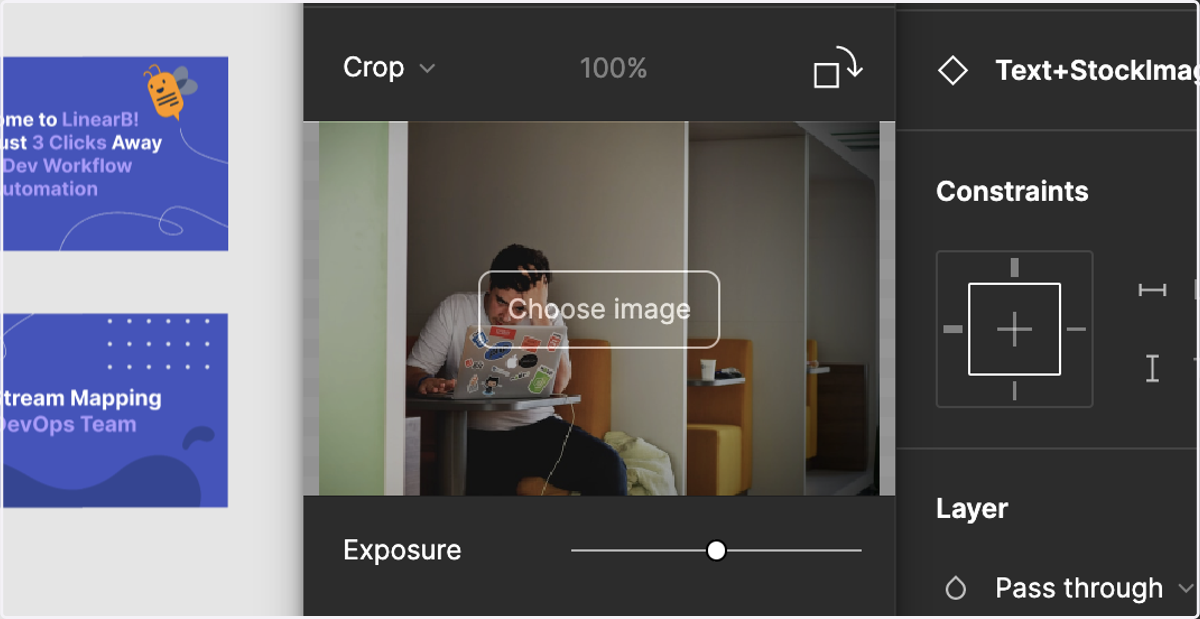
55. Click on Choose image
Linearb
56. Select Image You Want to Upload
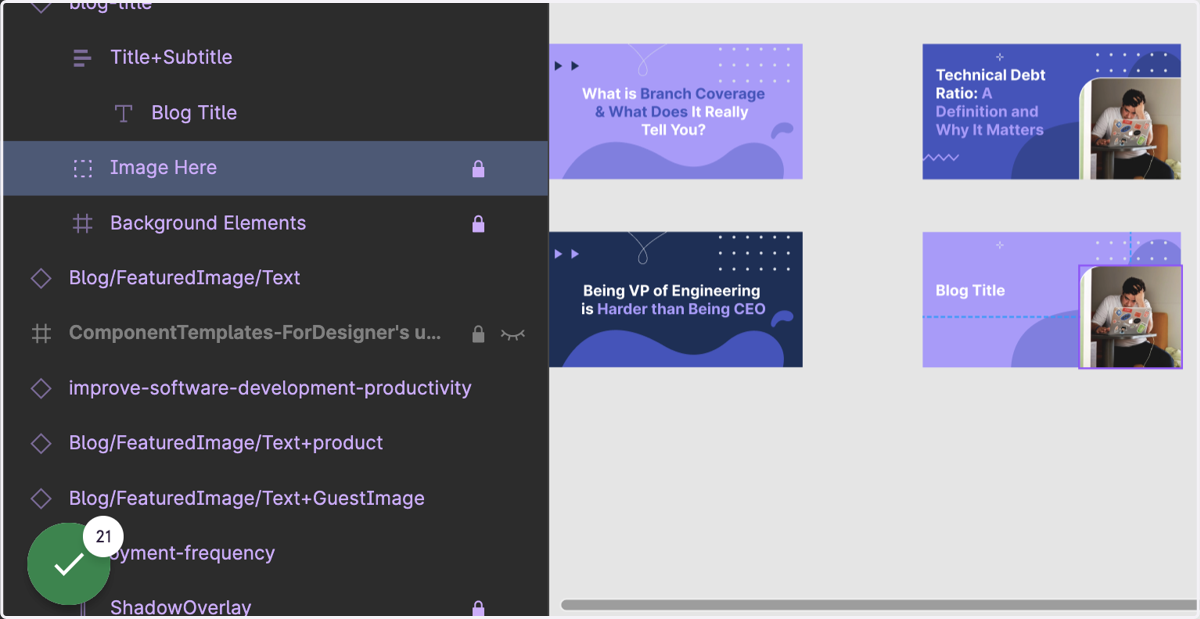
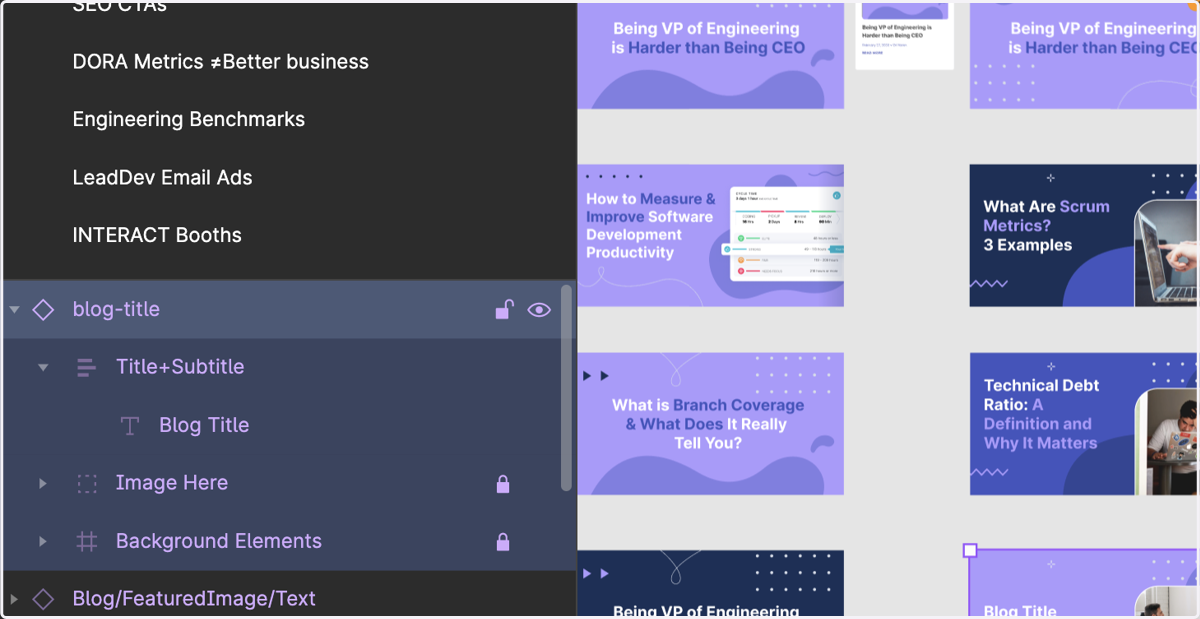
57. Click on blog-title
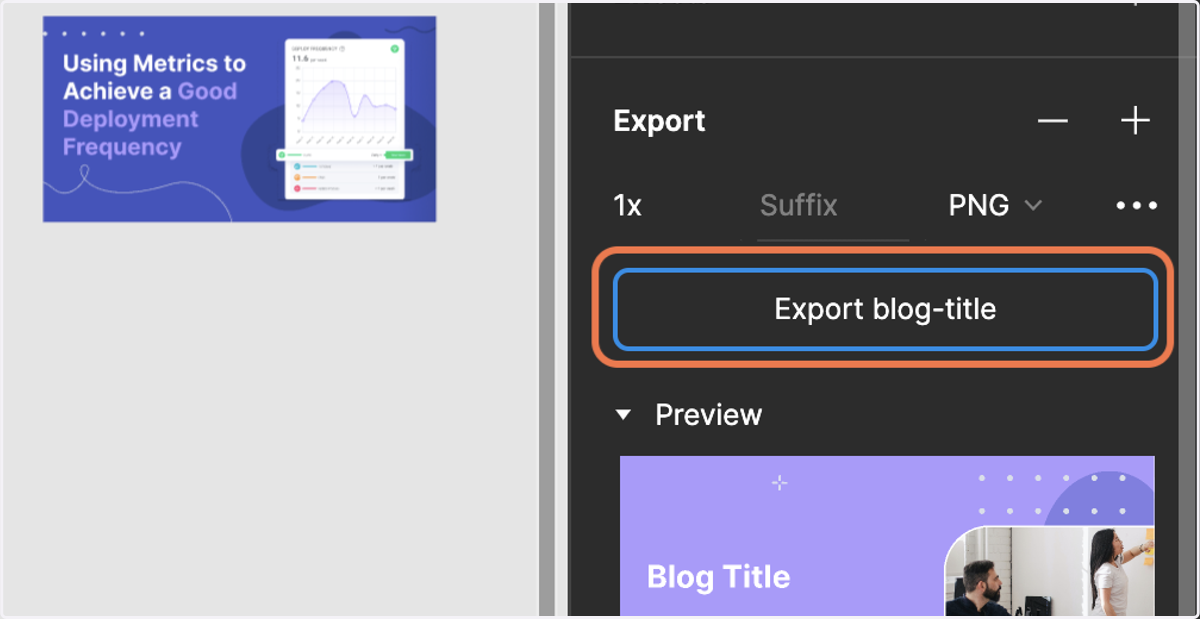
58. Click on Export blog-title
59. Click on Set featured image
60. Click on Blog Graphics
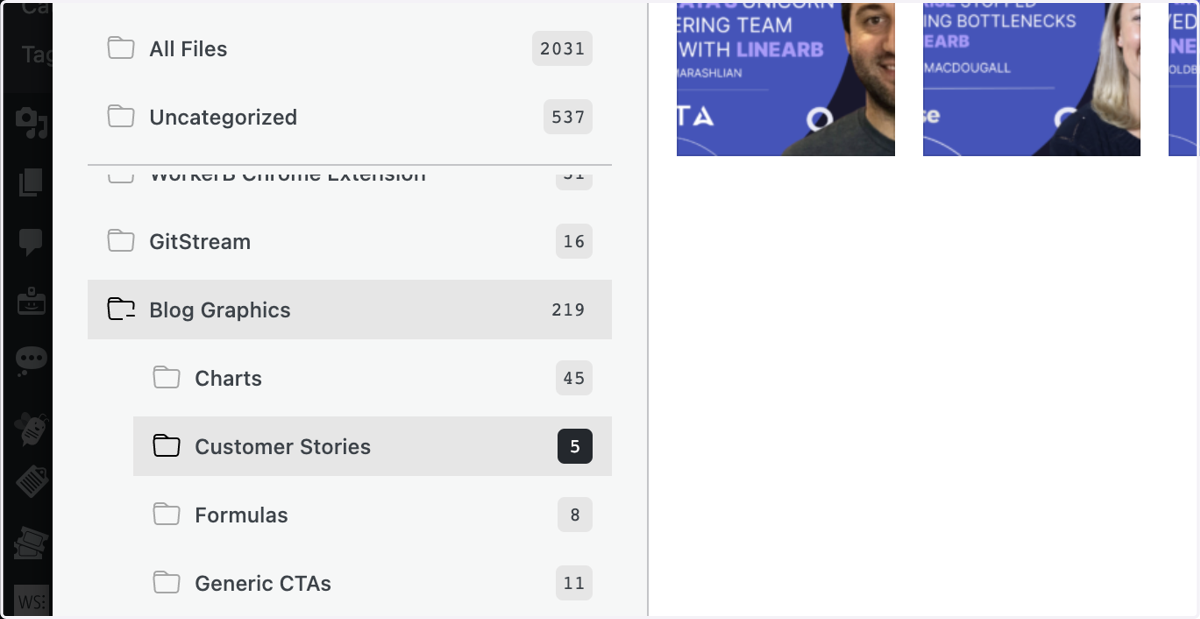
61. Click on Upload files
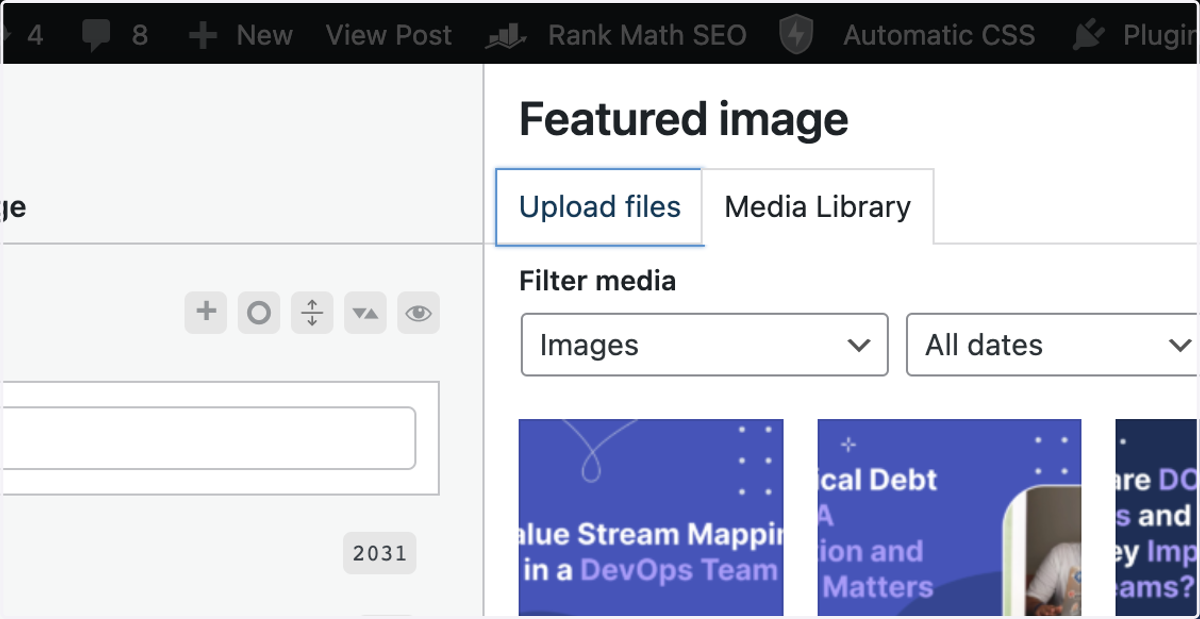
62. Click on Select Files
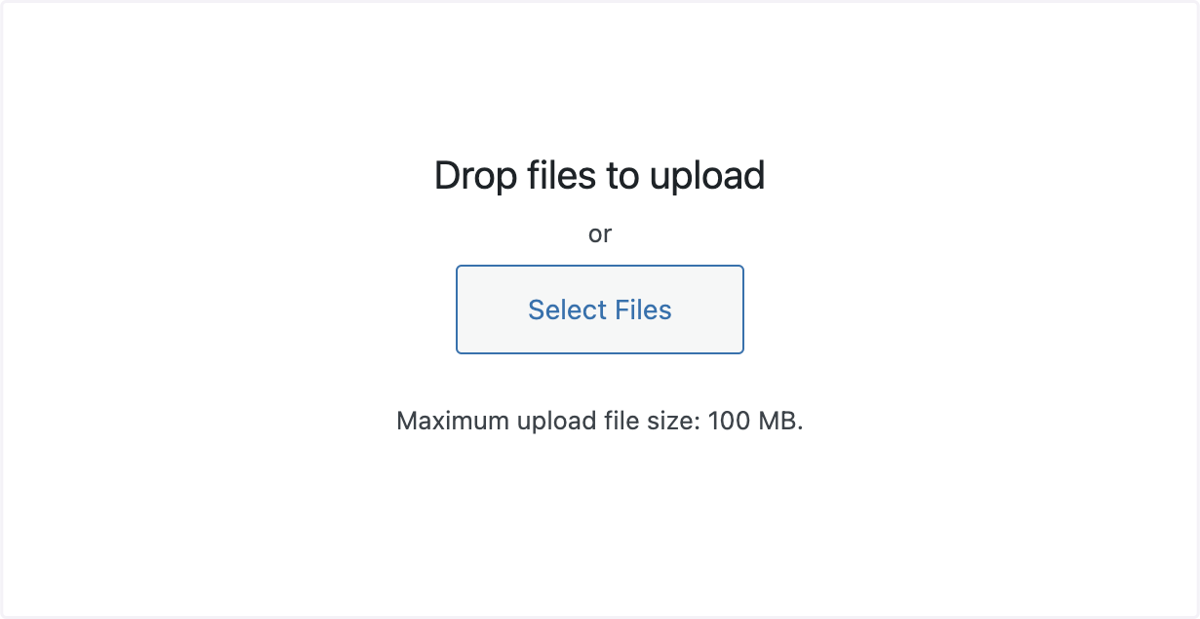
63. Select the Image You Want from Your Computer
Ensure when you upload a file to the website that the filename is lowercased and there are hyphens between words, never underscores. Ideally avoid using numbers (i.e. v2, dates, or dimensions) in the file name.

Linearb
64. Add an Alt Text to the Image
Alt text is important for SEO & web accessibility. If your image includes text (such as a blog title) the alt text must include the same text that's visible in the graphic.
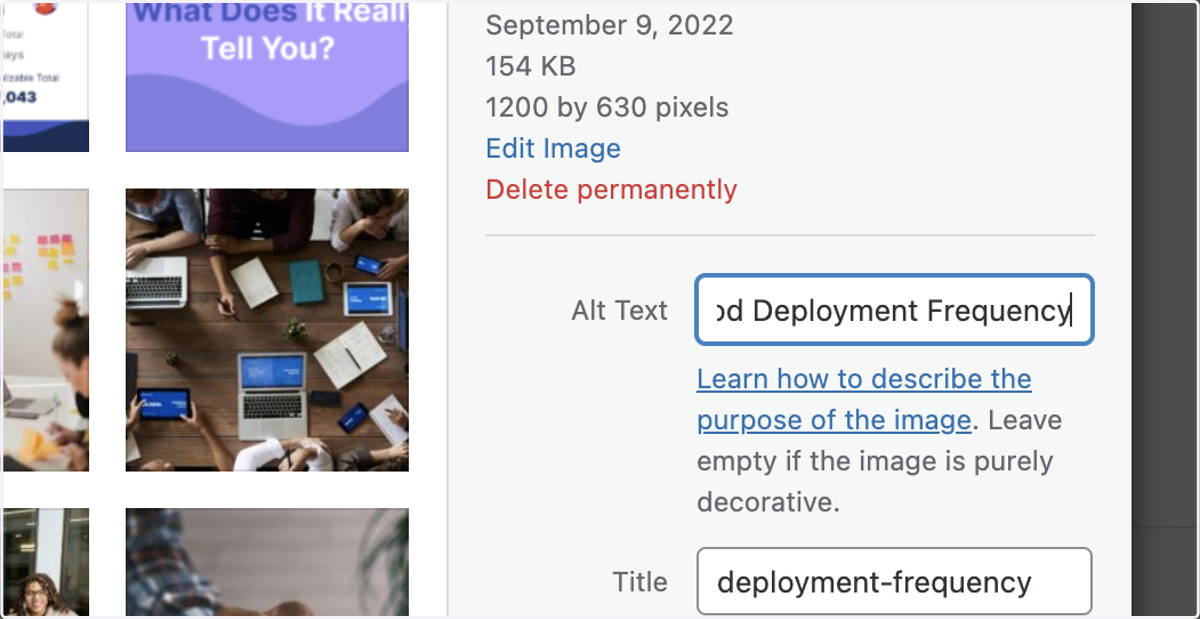
65. Click on Set featured image