Creating Products and Categories | SRBG_003
This tutorial will introduce you to products and categories within Infigo.
Products come in various different types, ranging from basic Stock products (akin to pick-and-pack products) to fully customisable and design ready products using Infigo's template editor.
Here, we will create two of the simpler product types and group them together within a category. We'll also discuss some of the critical settings associated with these areas.
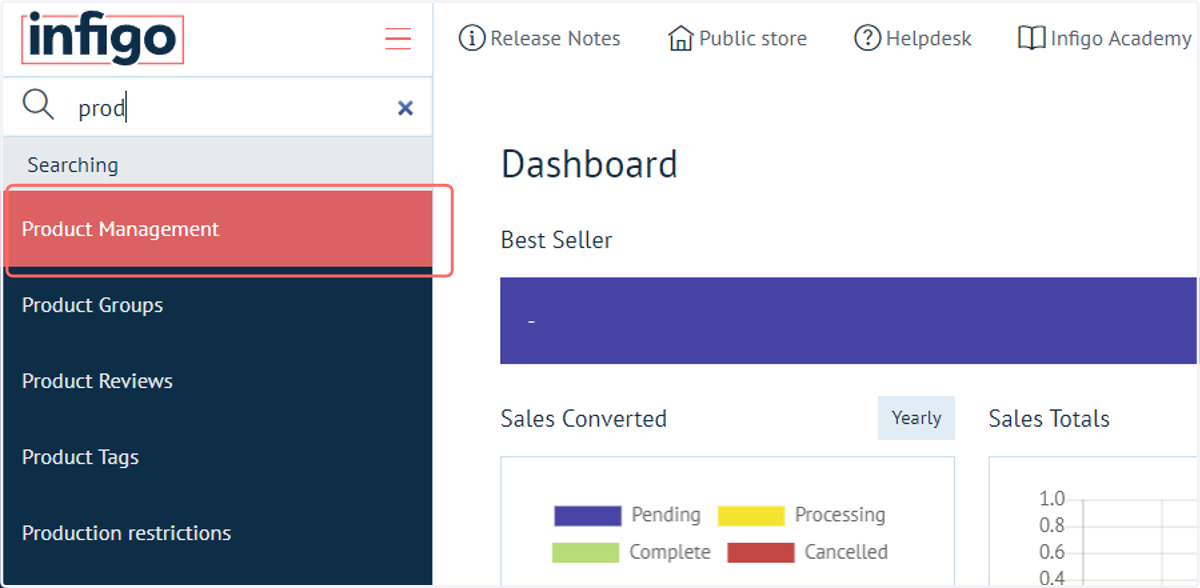
1. Click on Product Management
To begin, navigate to the area of Infigo where all of your products are managed.
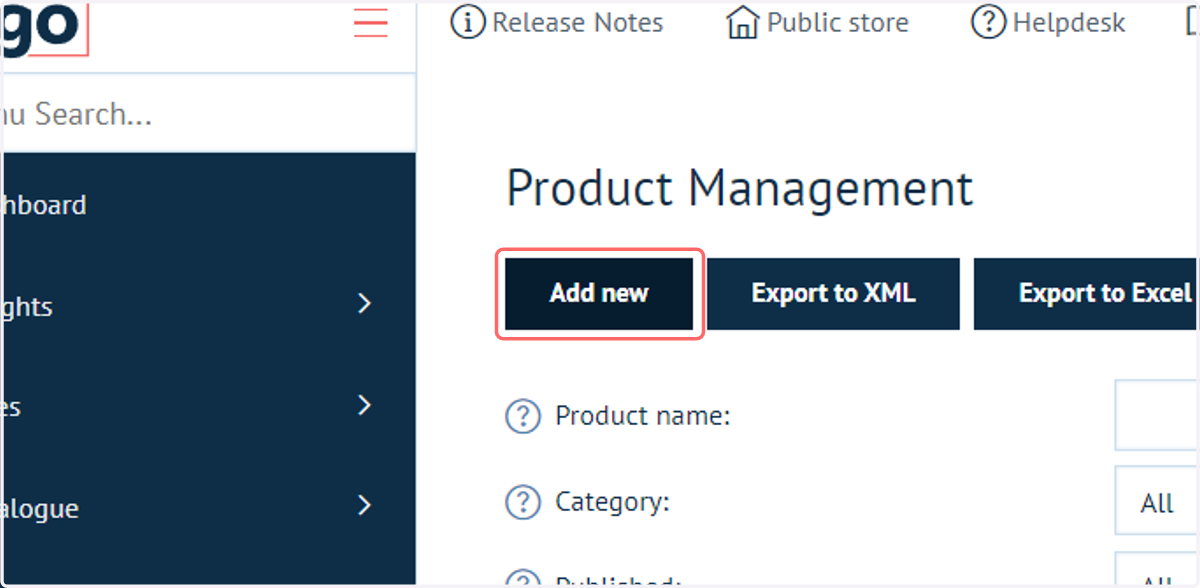
2. Click on Add new
Creating your first product
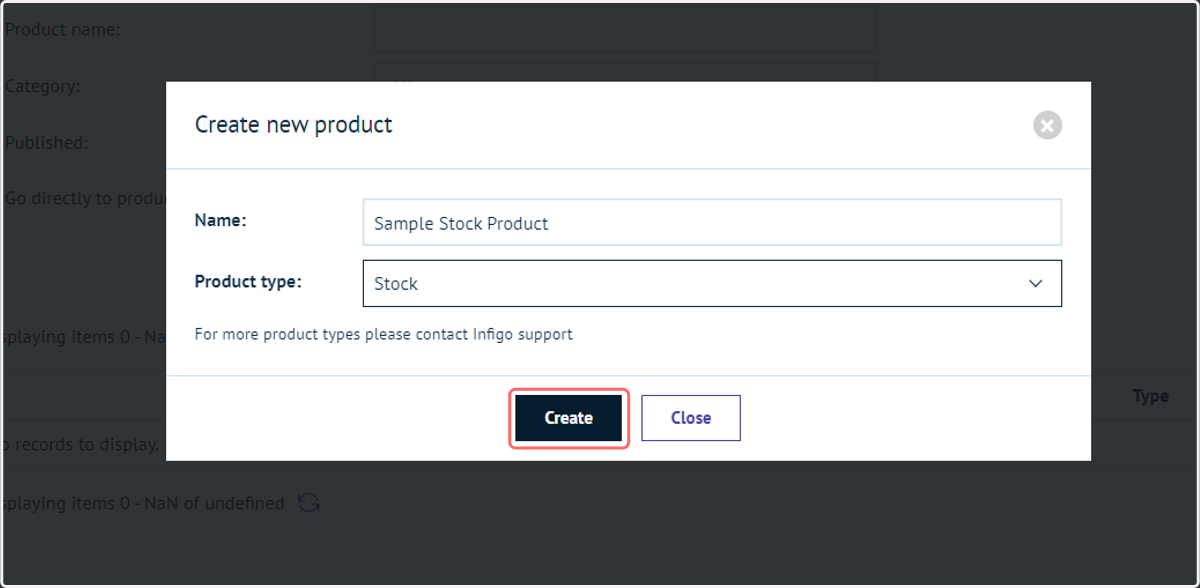
3. Create your product
Enter a name for your new product and select the type of product you wish this to be.
The default list contains Stock, Static PDF and MegaEdit type products. More are available, but require enabling before they appear in this list. We'll cover that a little later on.
For a Stock product that we'll select here, no additional configuration or inputs are required prior to clicking Create.
4. Product Details page
Your product is now created and you'll be taken to the Product Details page.
The product details page is used to design and populate the front-end landing page for that particular product.
Every product, regardless of type, will have a Product Details page, and a correspond front-end product landing page.
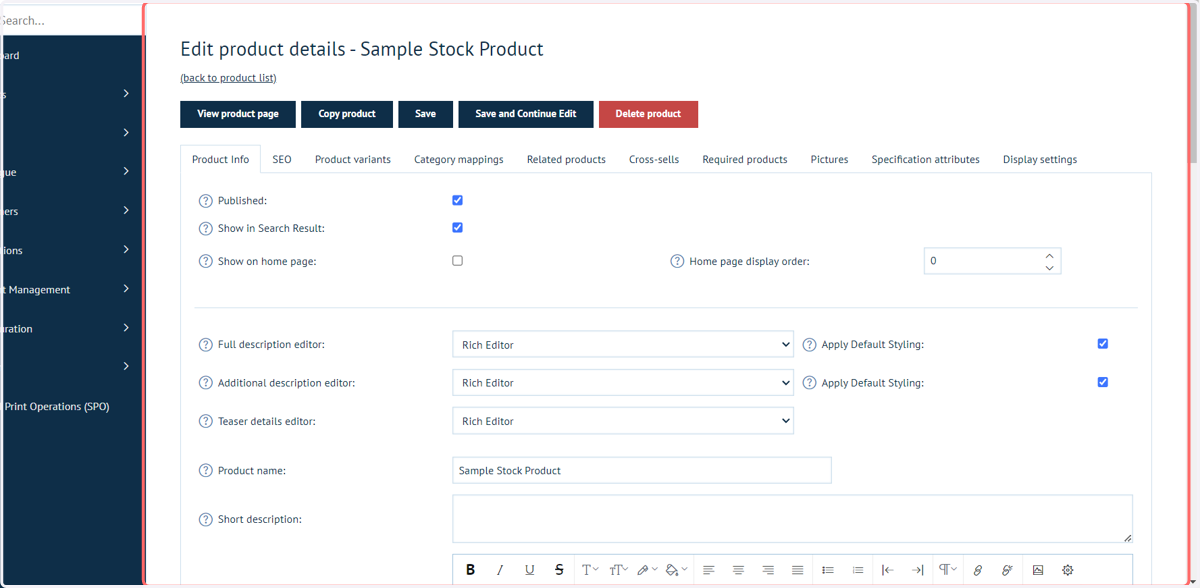
5. Check Show on home page
This is not a requirement, but will add the product to a special section on the home page called Featured Products.
During the development stage of your storefront, it gives easier access to your key products.
On a live site, it is used to draw attention to particular products.
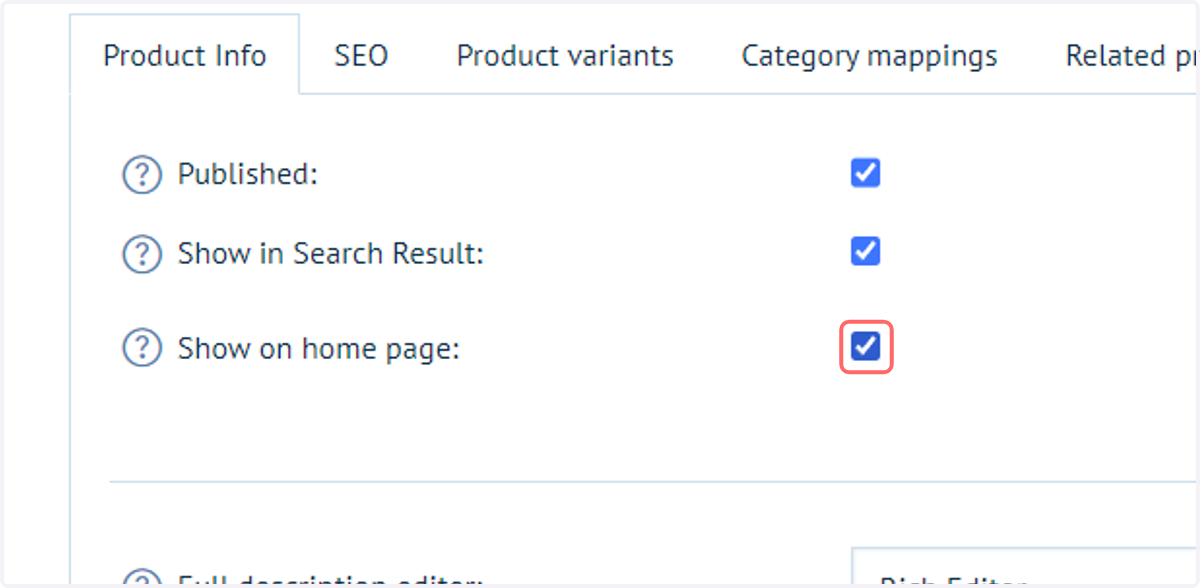
6. Description Editors
There are several description editors on the product details page, allowing you to design different areas of the page.
Each of these will be populated by a Rich Editor input by default. However, like we've seen in previous tutorials, this can be switched to a Code Mirror Editor (for fluent HTML users) or the Content Template editor tools.
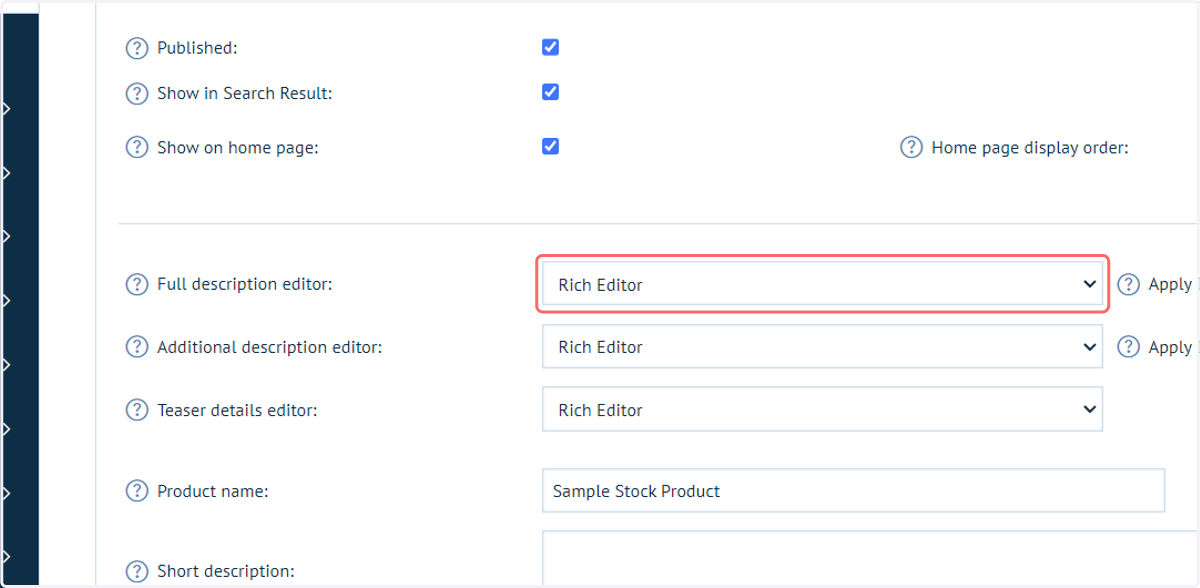
7. In our example, I'll populate text in some of these editors so we can determine their location on the product landing page.
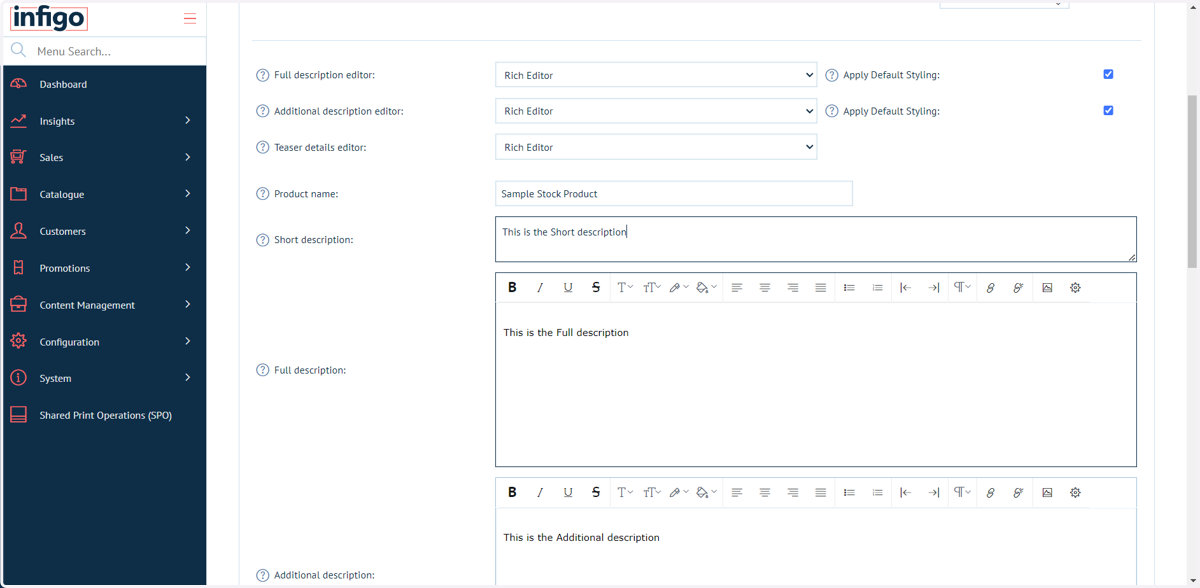
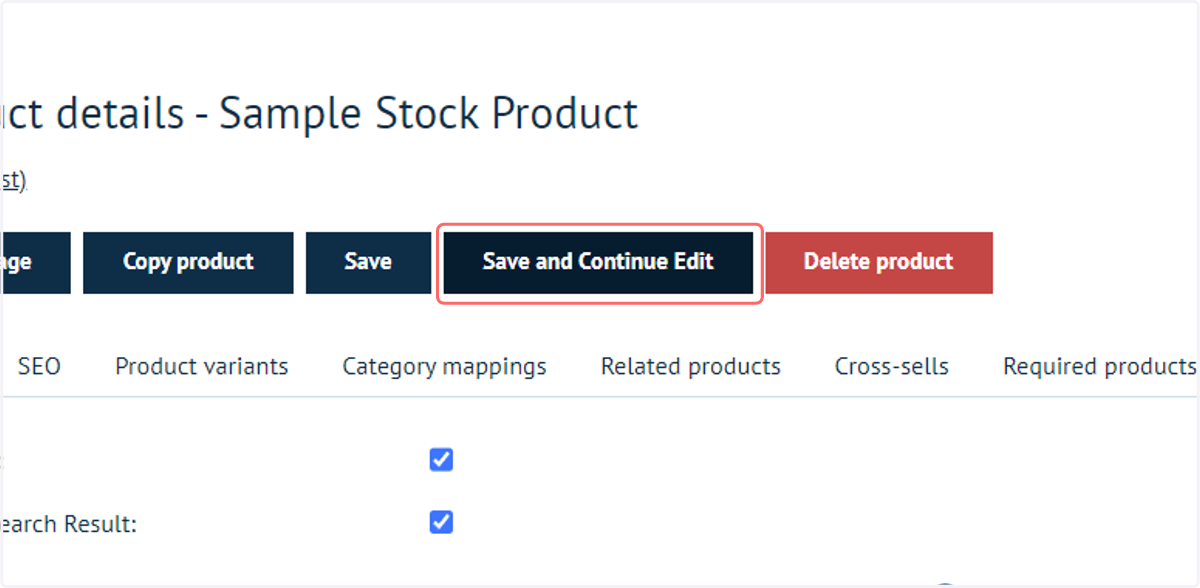
8. Click on Save and Continue Edit
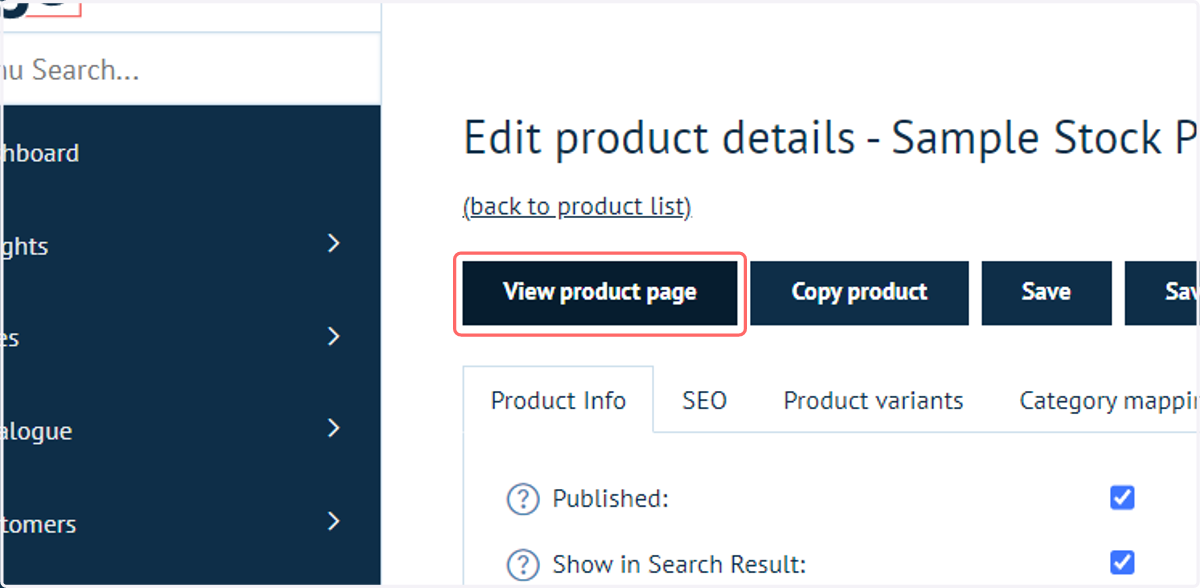
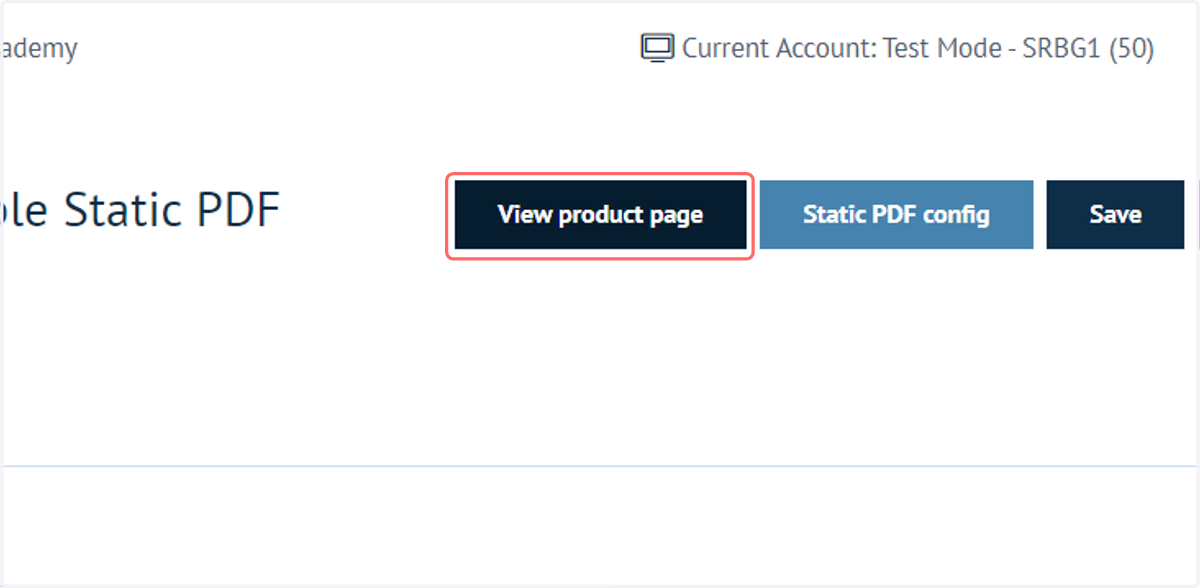
9. Click on View product page
This will take you to the front end of your site, directly to the landing page of the product currently being edited.
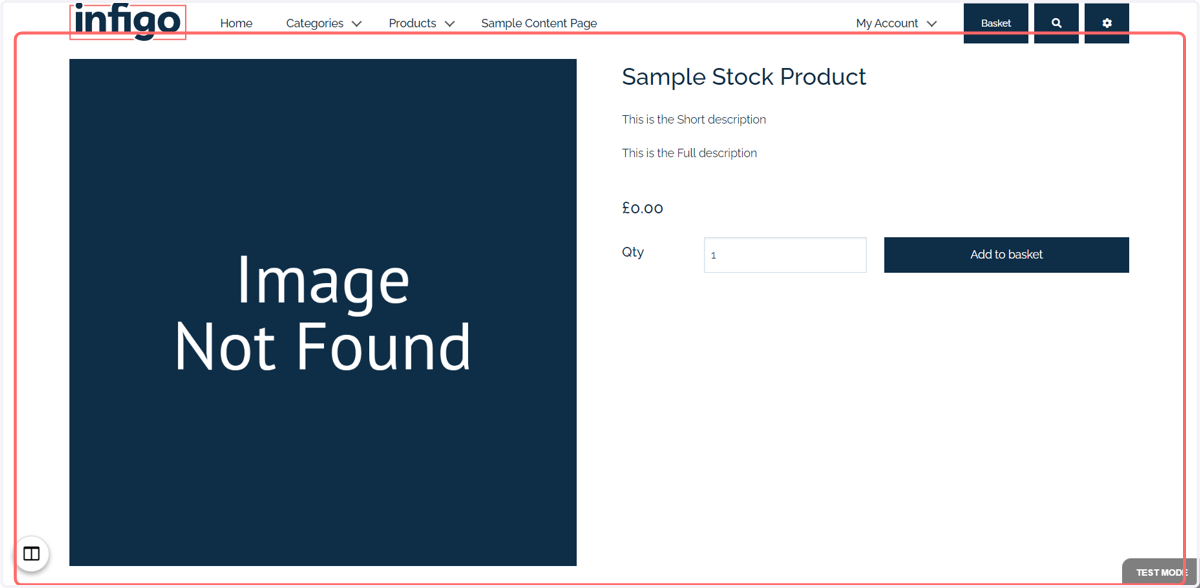
10. Product Landing Page
We see the beginnings of our product landing page.
At this stage quite basic due to a lack of input information, we can see the product name, along with some of the descriptions we have input.
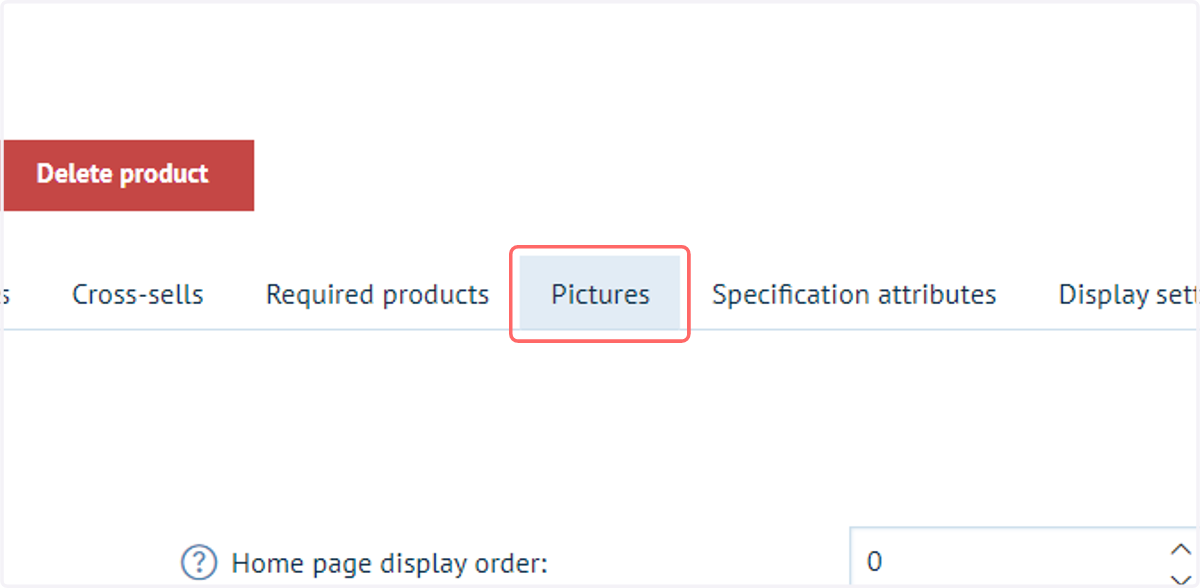
11. Return to the admin area and click Pictures
Next, we will add one or more images to our product
12. Select an image from your computer using the upload tools
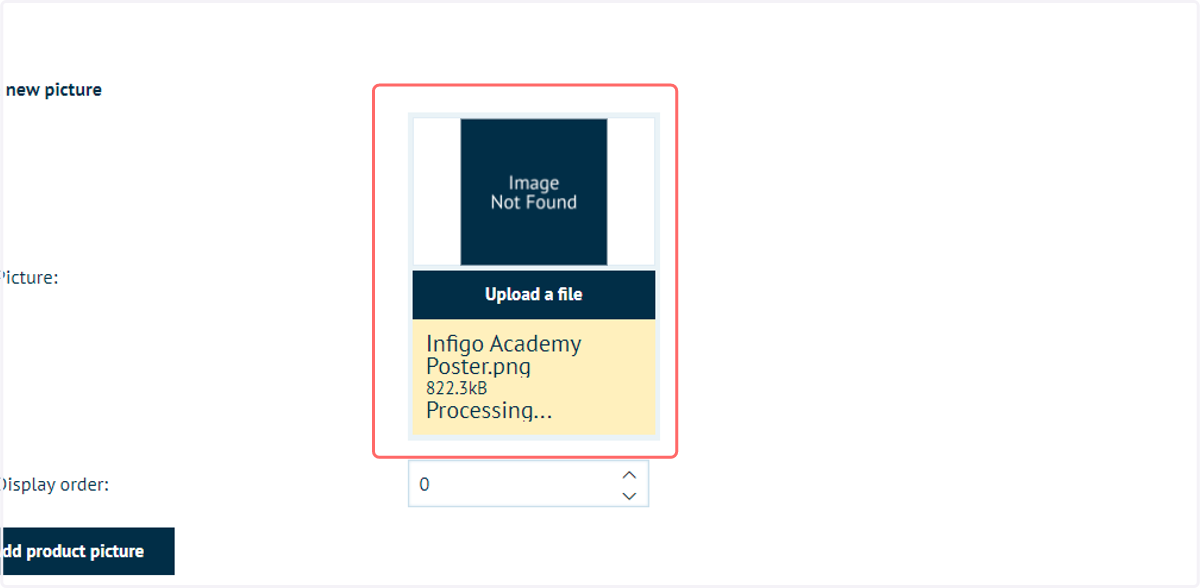
13. Click on Add product picture
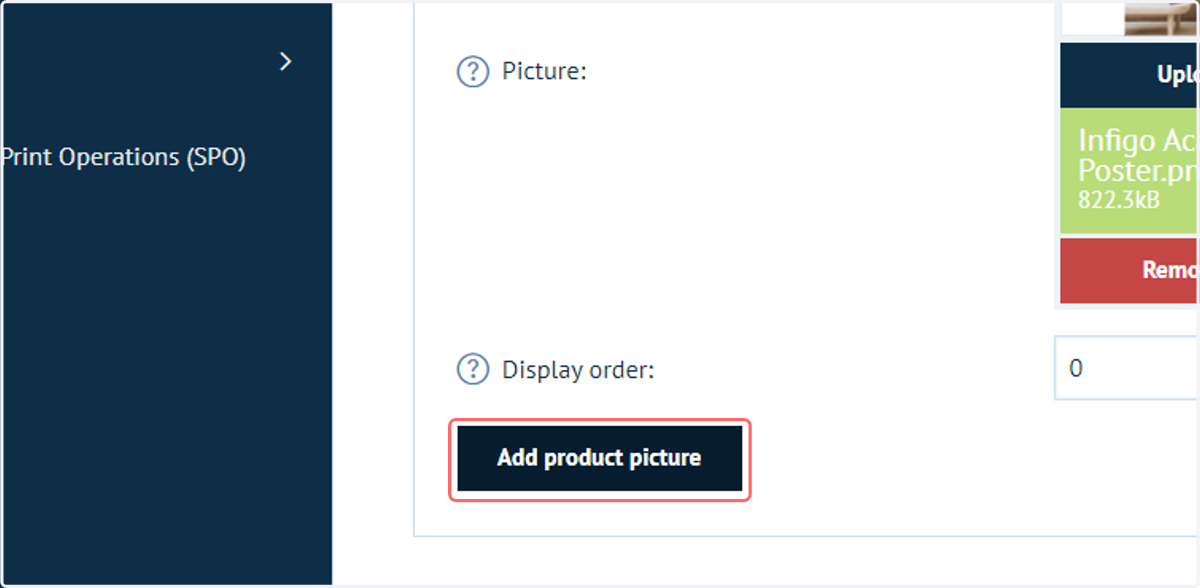
14. Click on Save and Continue Edit
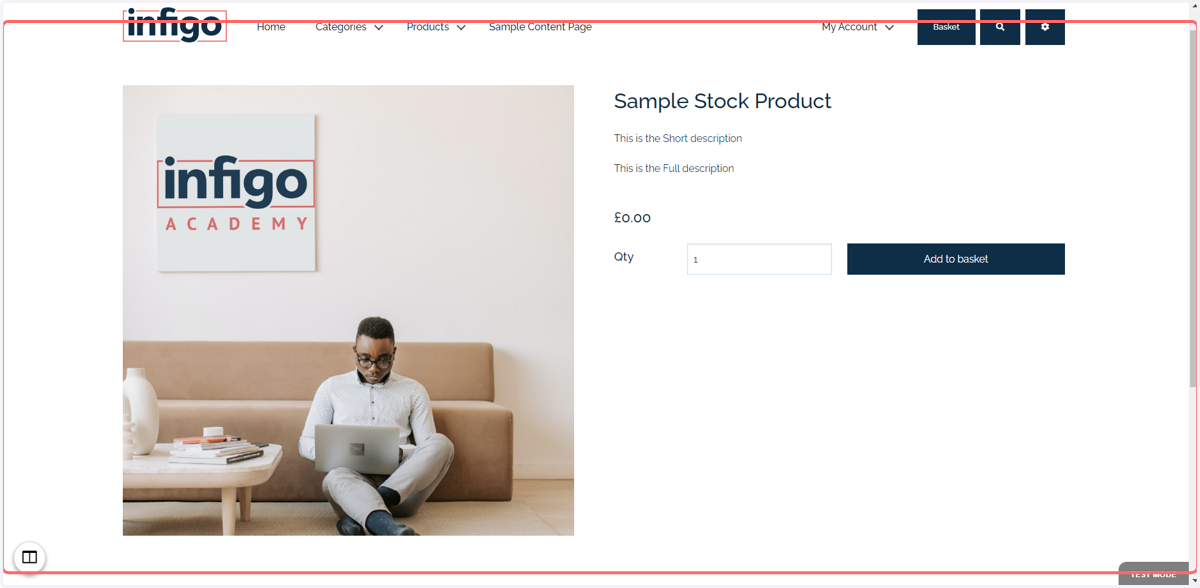
15. Navigate back to or refresh the product landing page
The image will now be displayed.
16. Return to the admin area and click on Display settings
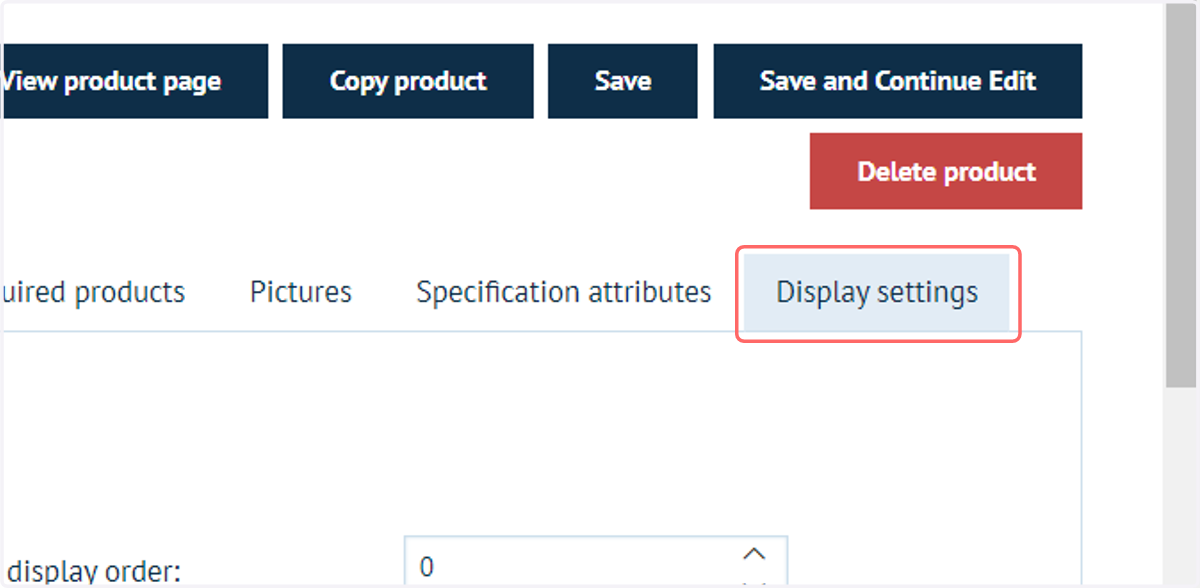
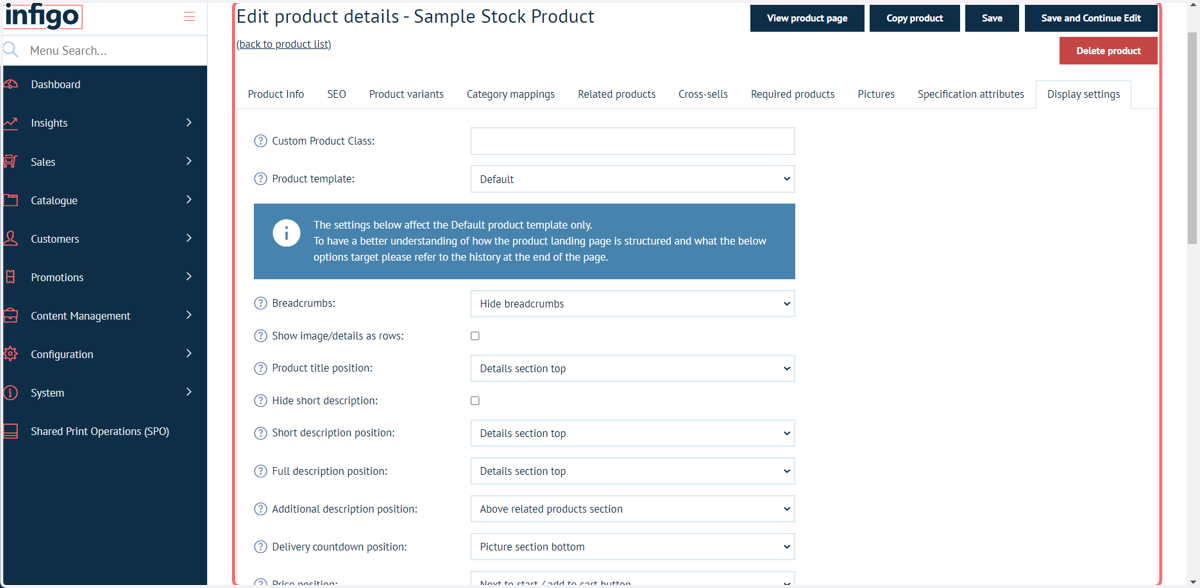
17. Product display settings
This page can be used to change the design and layout of your product landing page for this product.
It contains settings such as changing the location of different description boxes and showing additional links.
We will not be describing these settings in detail as part of the rapid build tutorial series.
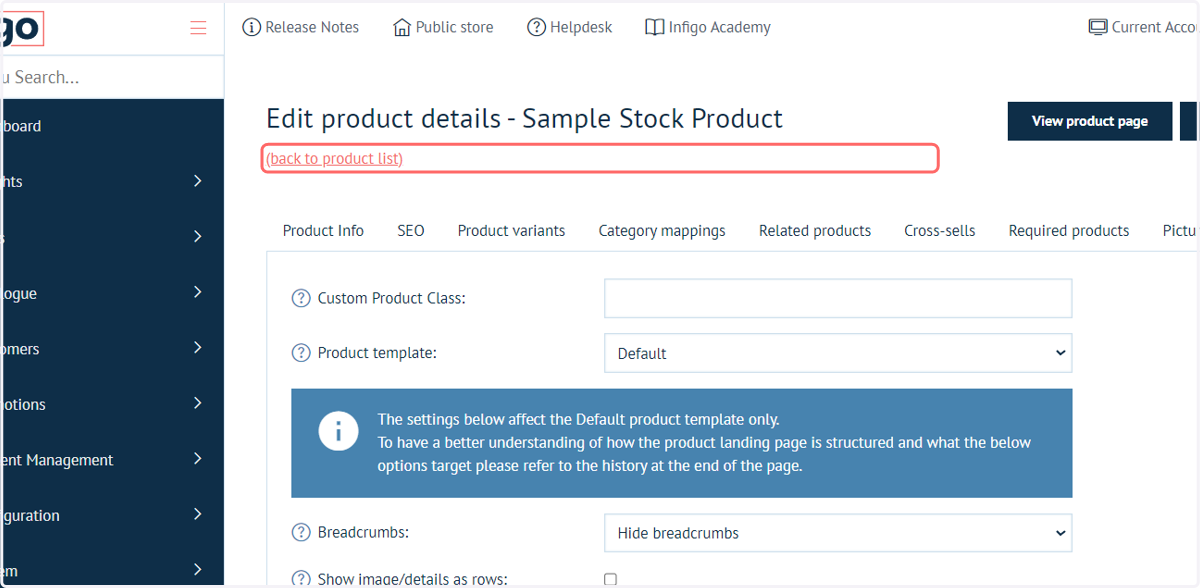
18. Click on (back to product list)
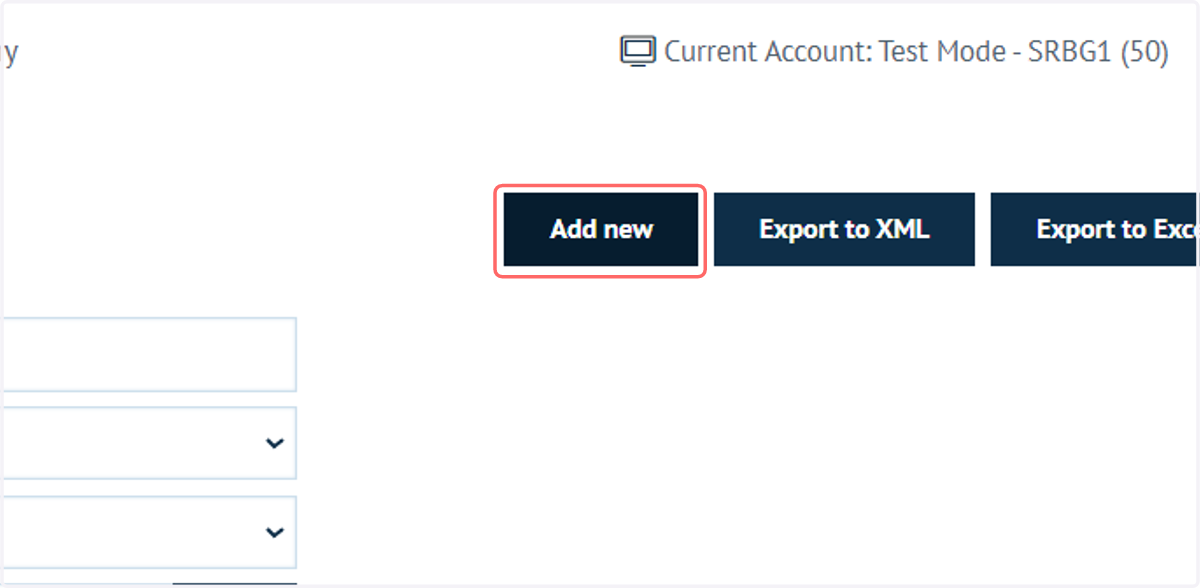
19. Click on Add new
Creating a Static PDF product
20. Create a Static PDF product
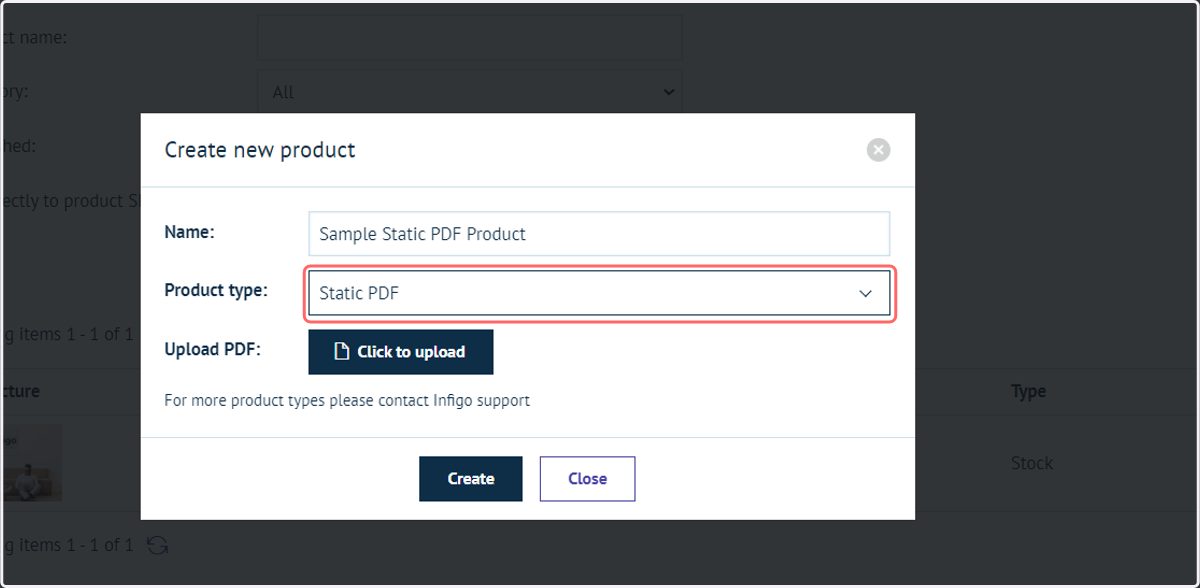
Enter a product name and select Static PDF from the list of Product types.
An additional button appears asking you to upload the PDF associated with this product.
Static PDF products allow users to purchase a static piece of printed artwork which is not editable. For example, an artists print or a static brochure.
21. Select the PDF to include as the artwork for the product
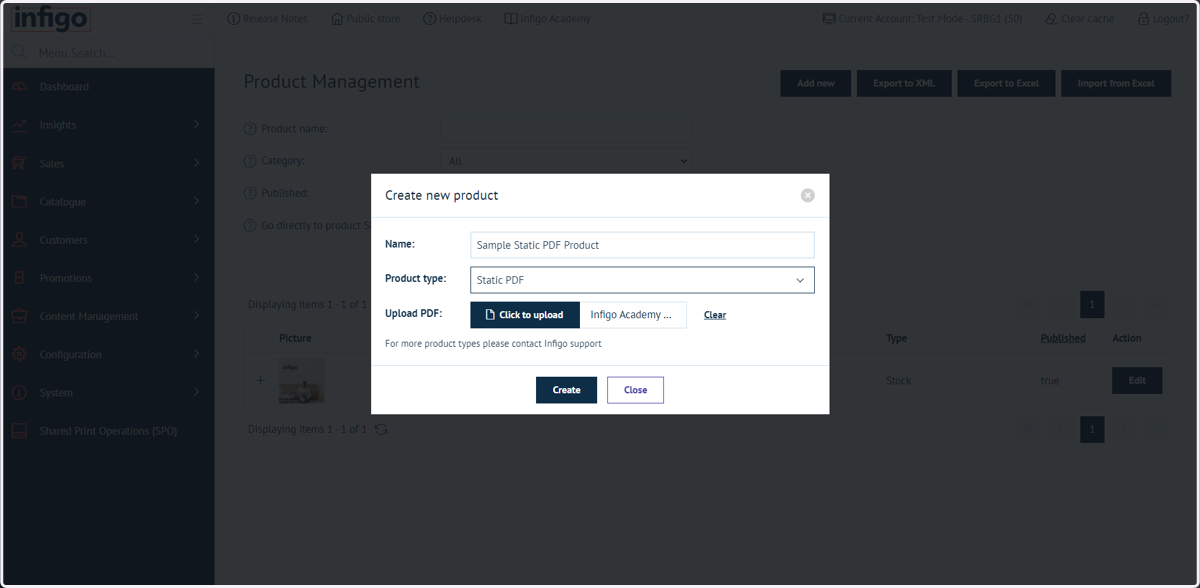
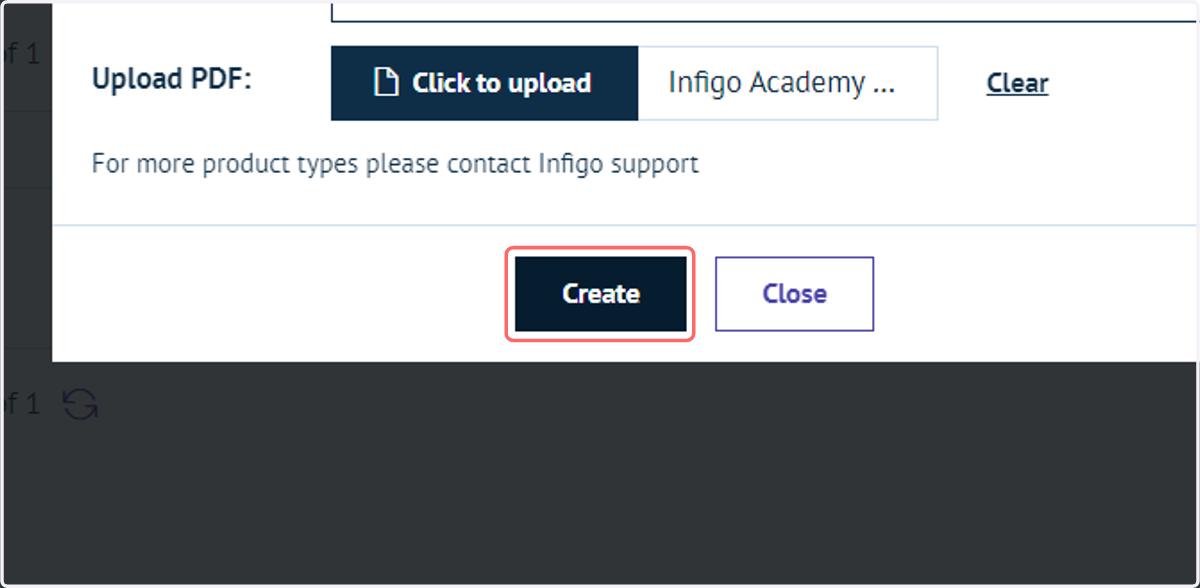
22. Click on Create
23. You will be presented with a near identical product details page to that of the Stock product.
The product details page is still dedicated to the design of the product landing page
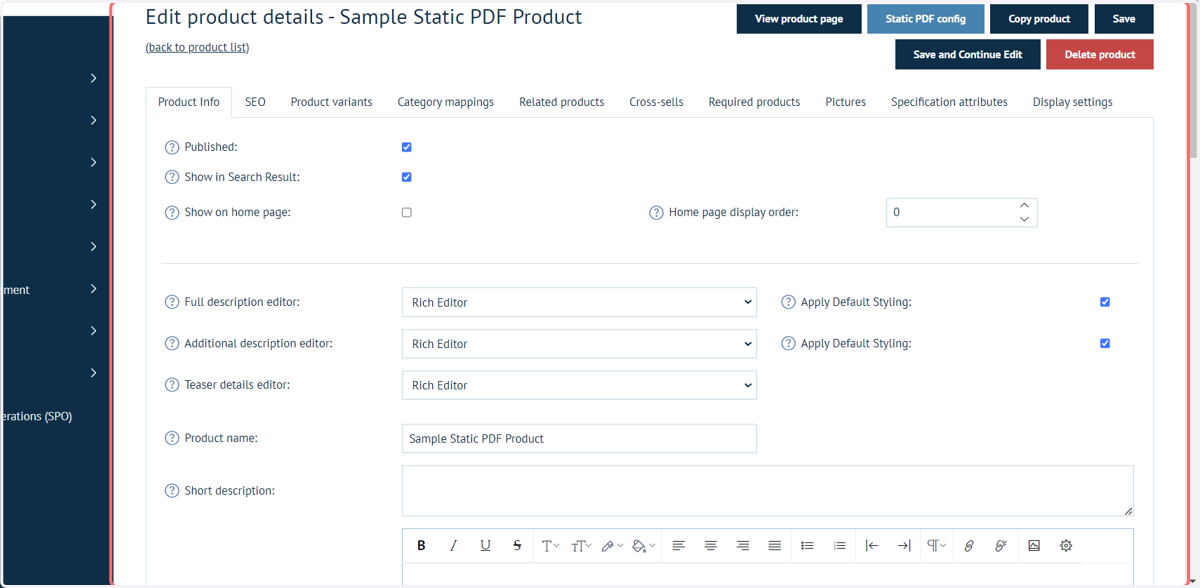
24. Check Show on home page
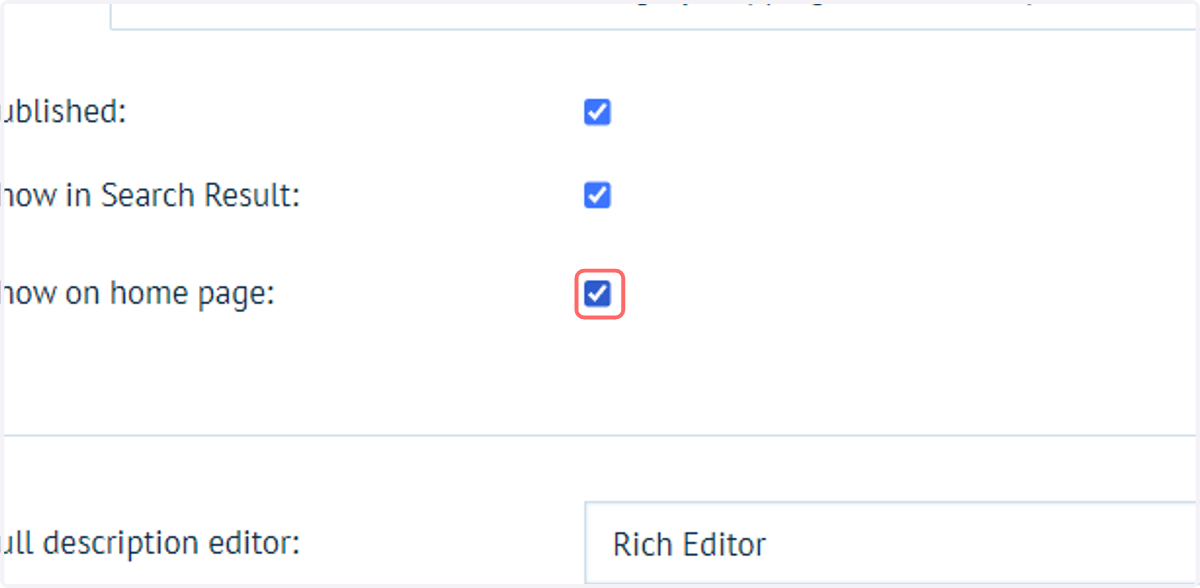
25. Click on Save and Continue Edit
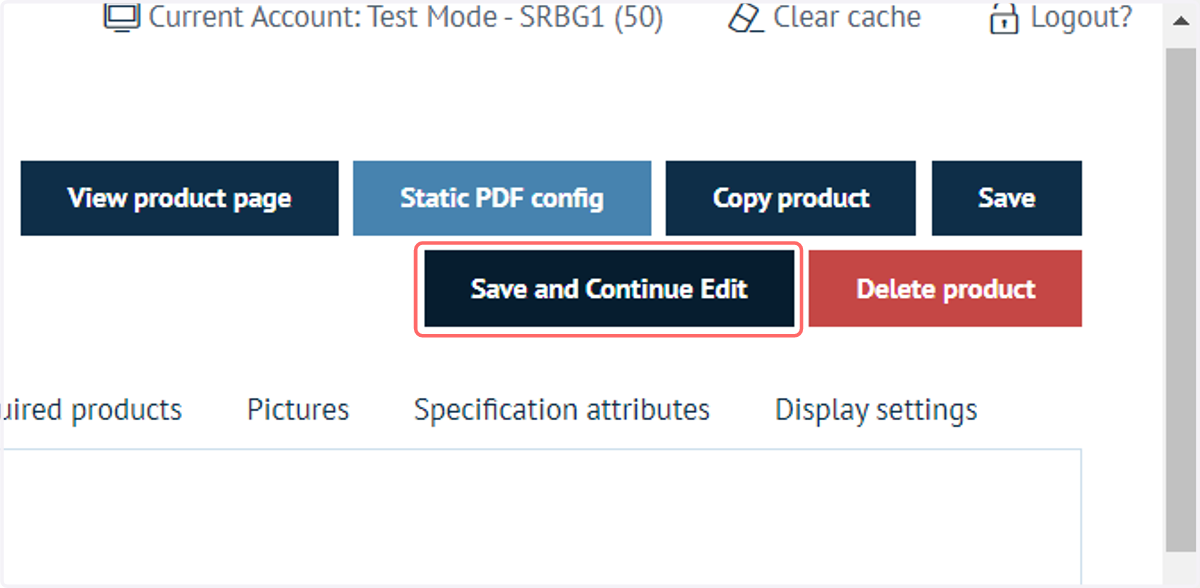
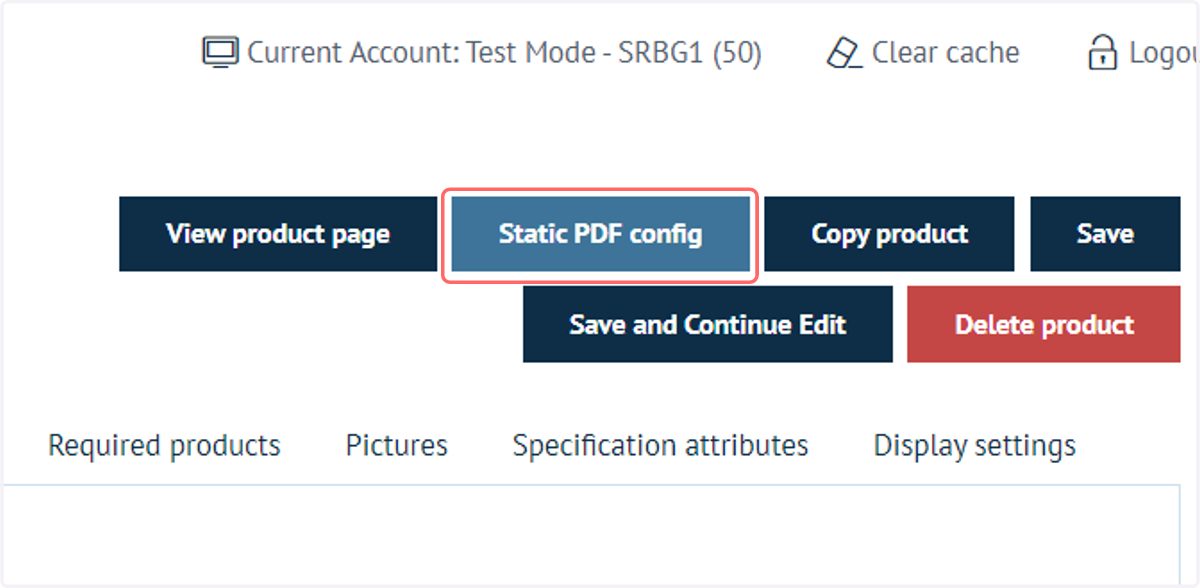
26. Click on Static PDF config
Settings related to the specific product type can often be found at the top right of the product details page, accessed via a lighter coloured button.
These will take you to product type specific configuration options, for this particular product.
27. Static PDF product configuration
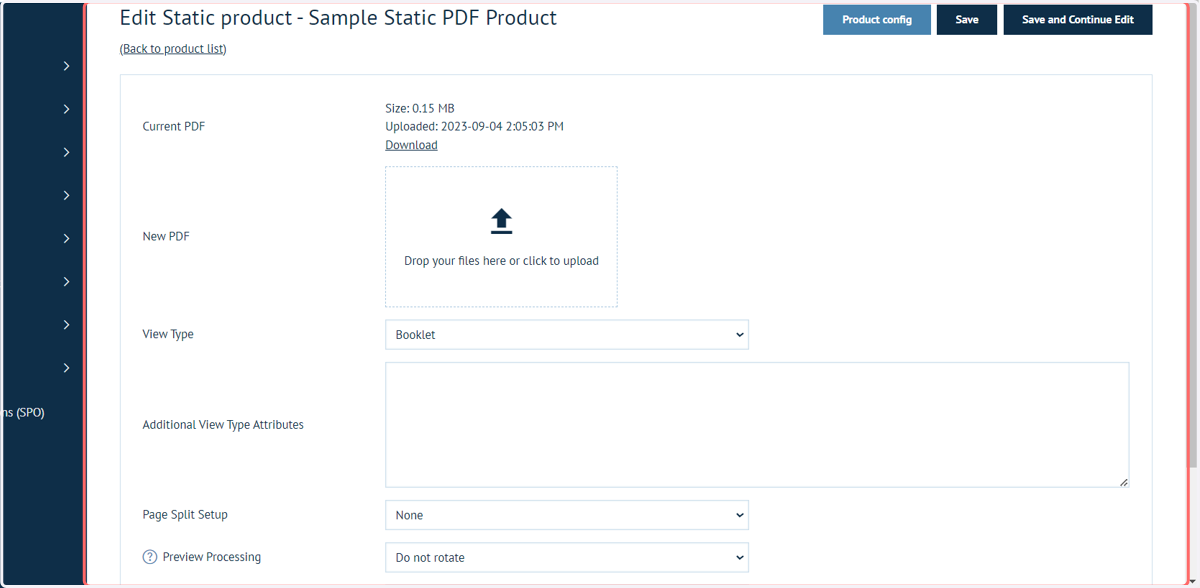
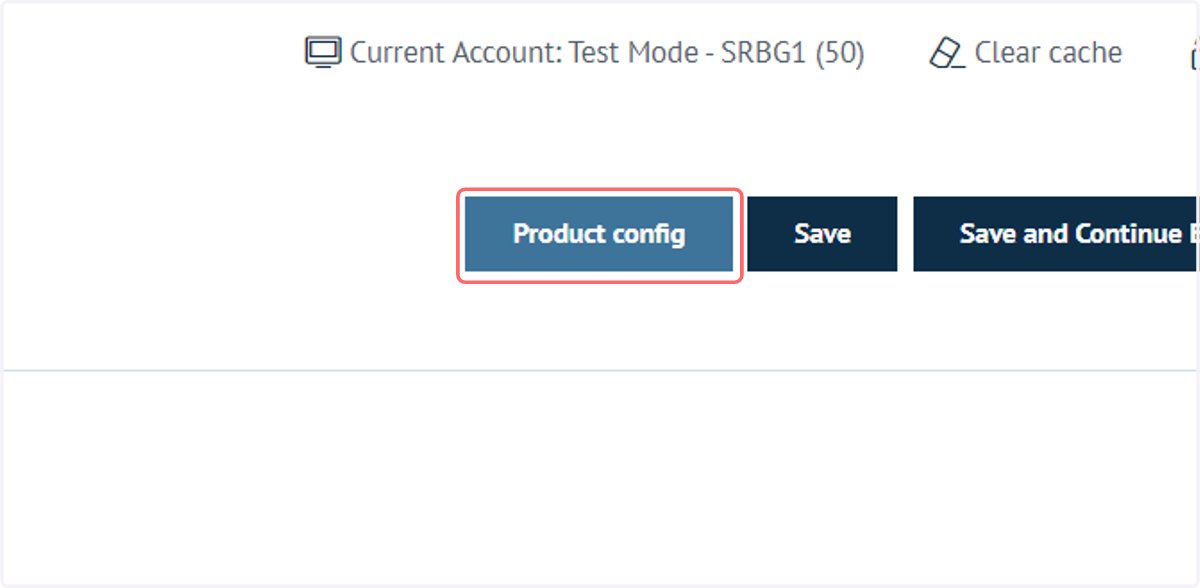
28. Click on Product config
You can return to the main product details page with this button.
29. Click on View product page
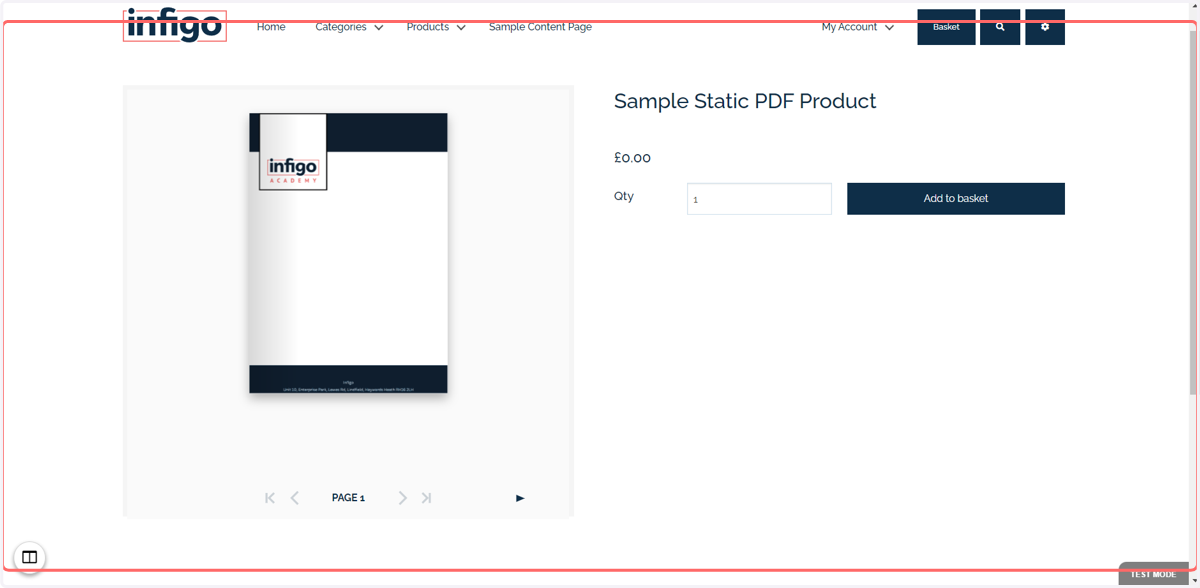
30. Static PDF product landing page
The default layout of Static PDF product landing pages will show the uploaded PDF as a preview, instead of the product image.
Everything else is largely the same.
Enabling additional product types
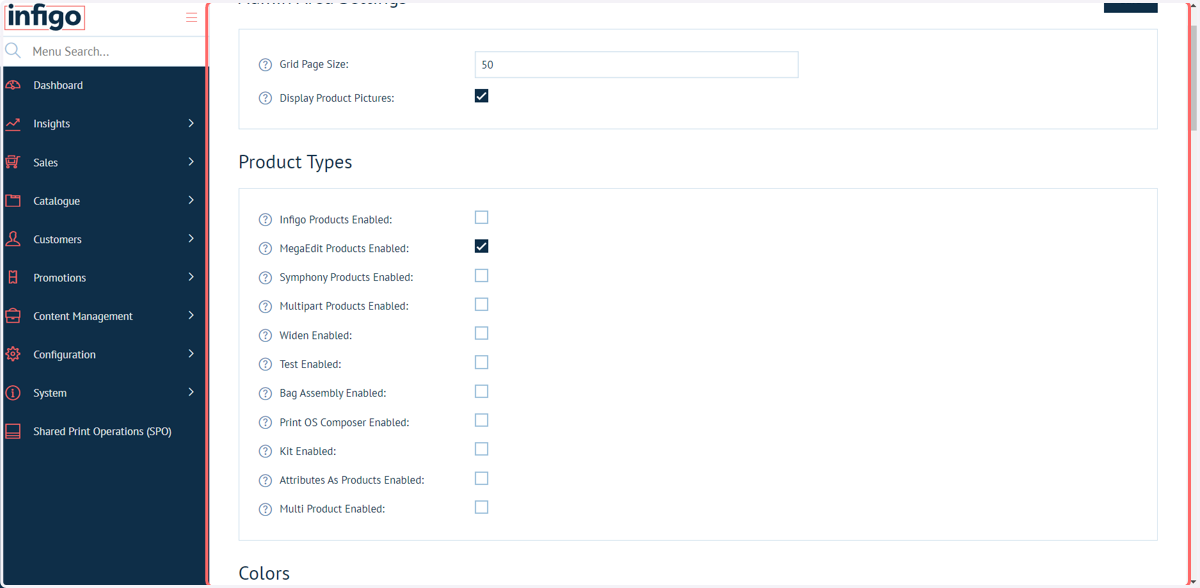
31. Navigate to Admin Area Settings
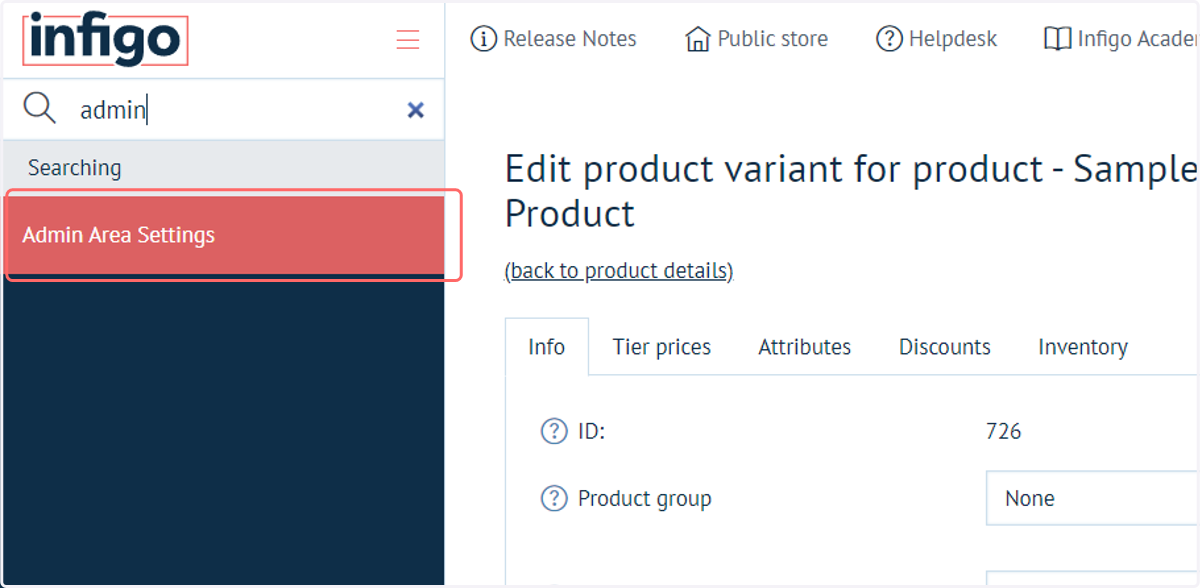
32. Admin Area Settings
Under the Product Types section, you can enable other types of products available within Infigo.
With the exception of MegaEdit products, these will not be covered as part of the rapid build series, however many of them have additional tutorial resources available in the Infigo Academy.
Creating categories
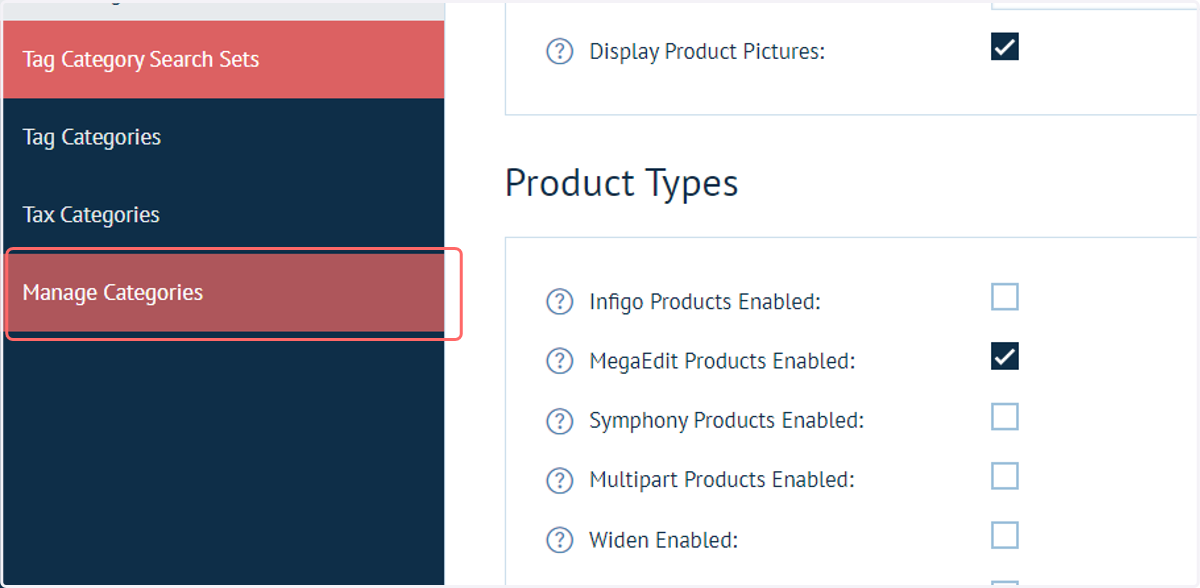
33. Navigate to Manage Categories
Categories are a means of grouping product that you wish to be associated with one another on your Storefront.
For example, you may have a "Stationary" category, or a "Brochure" category, containing related products.
Like products, categories have a customisable landing page.
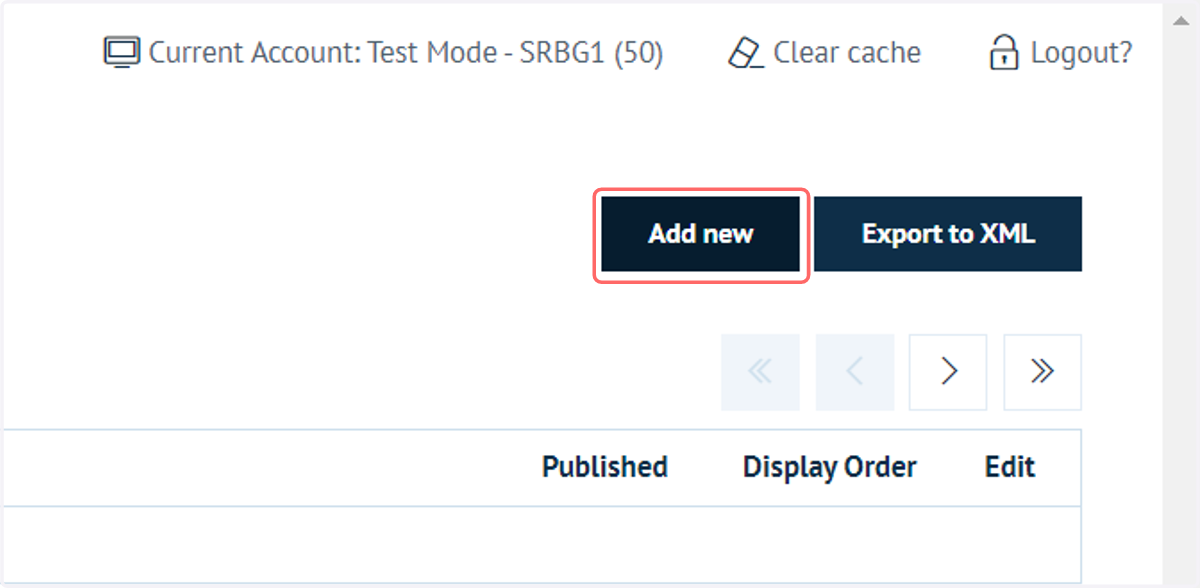
34. Click on Add new
35. Category details page
You will be presented with a category details page, very similar to the product details page.
On this page you can input imagery and descriptions. As with product detail pages, you can also construct these pages utilising the Content Template functionality.
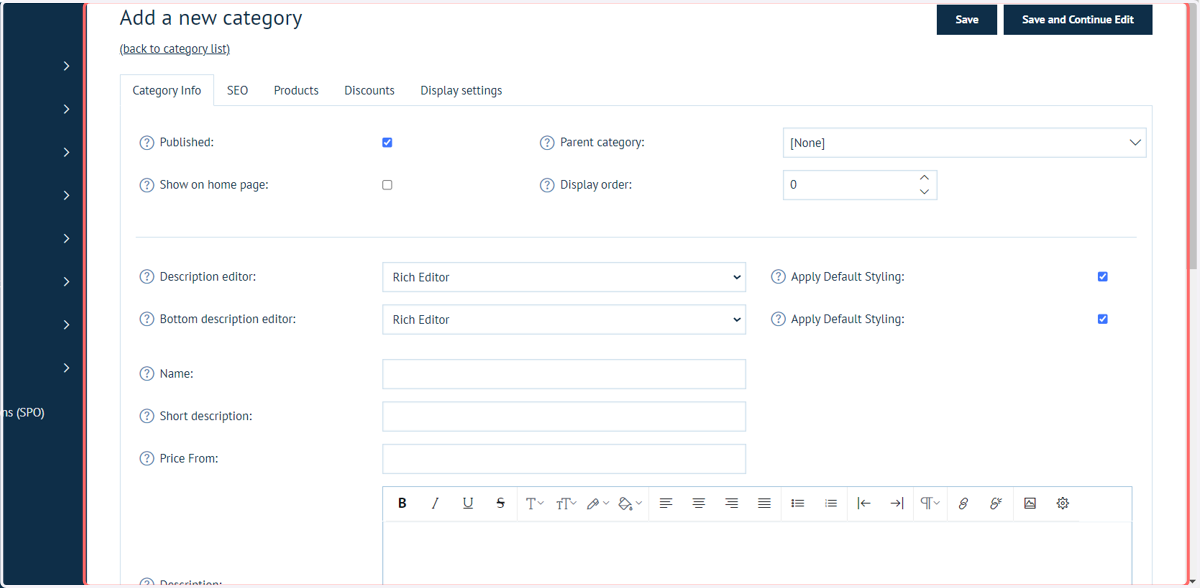
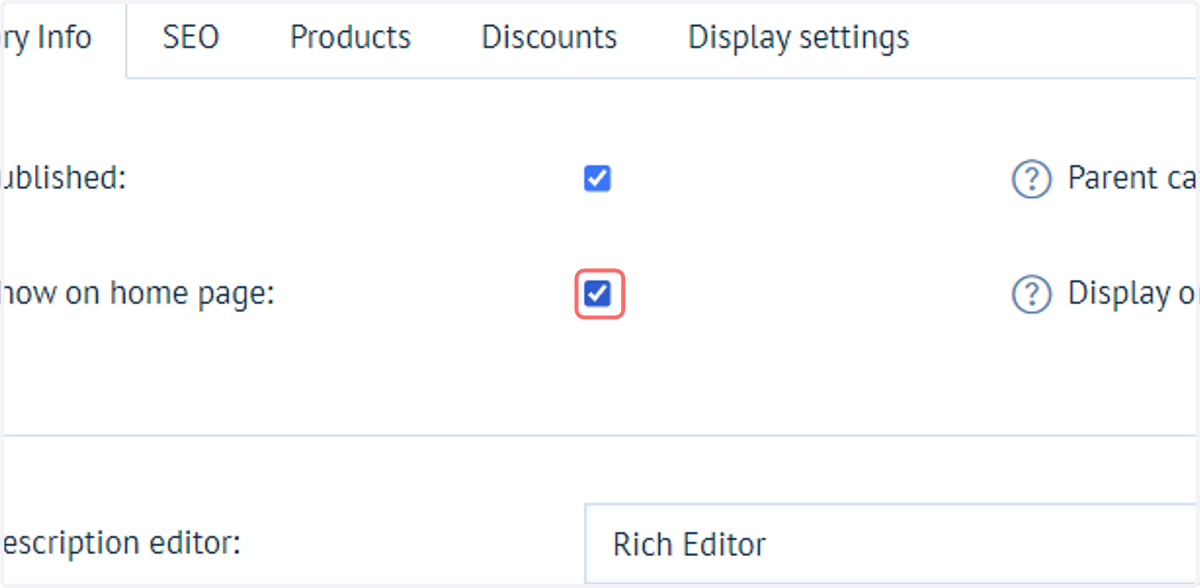
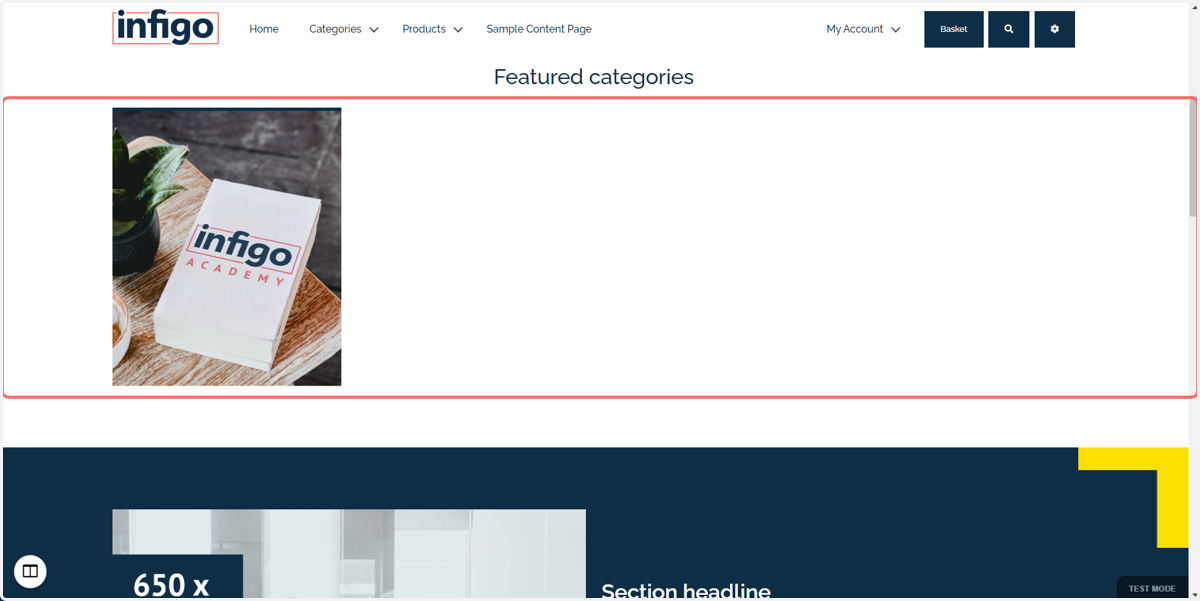
36. Check Show on home page
As with products, this isn't a requirement.
However it will make the category more easily accessible whilst we set up our Storefront.
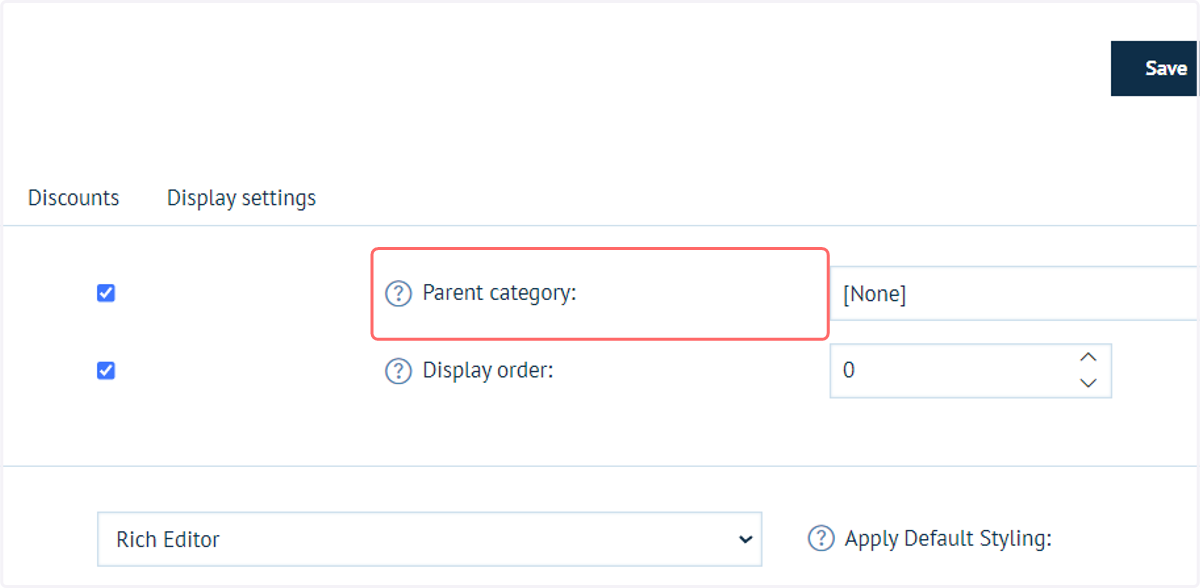
37. Parent category
Categories can be sub categorised inside other categories (also known as Parent categories).
Use this option to specify the category you wish to have as the PARENT category (i.e. the next level up).
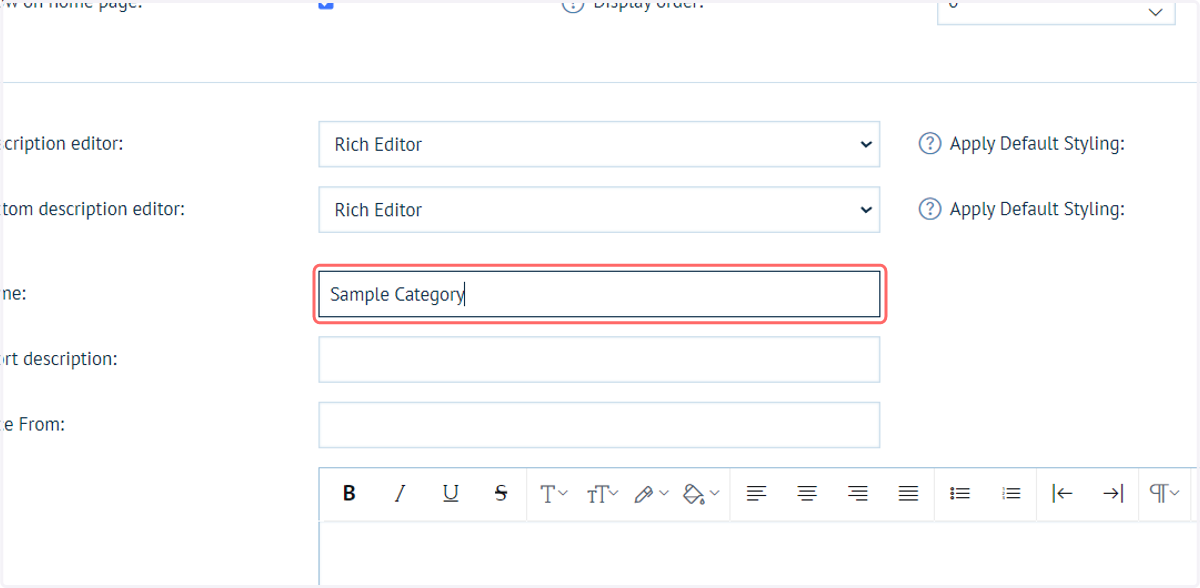
38. Input a category name
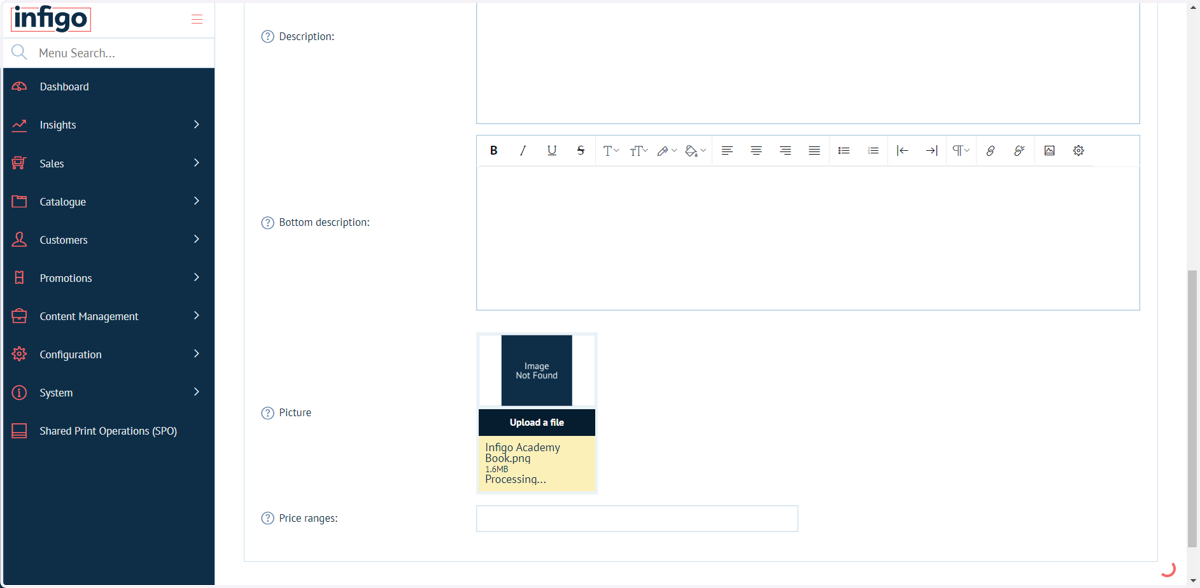
39. Upload a category image
This is not a requirement, however uploading no image will result in an "Image not found" placeholder on your storefront.
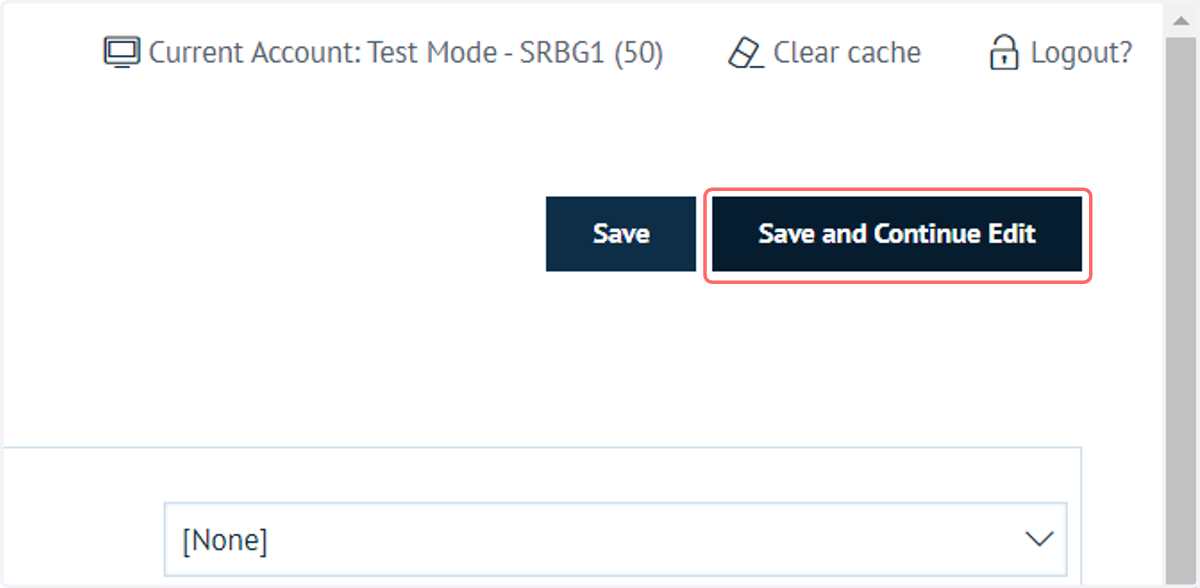
40. Click on Save and Continue Edit
Add products to categories
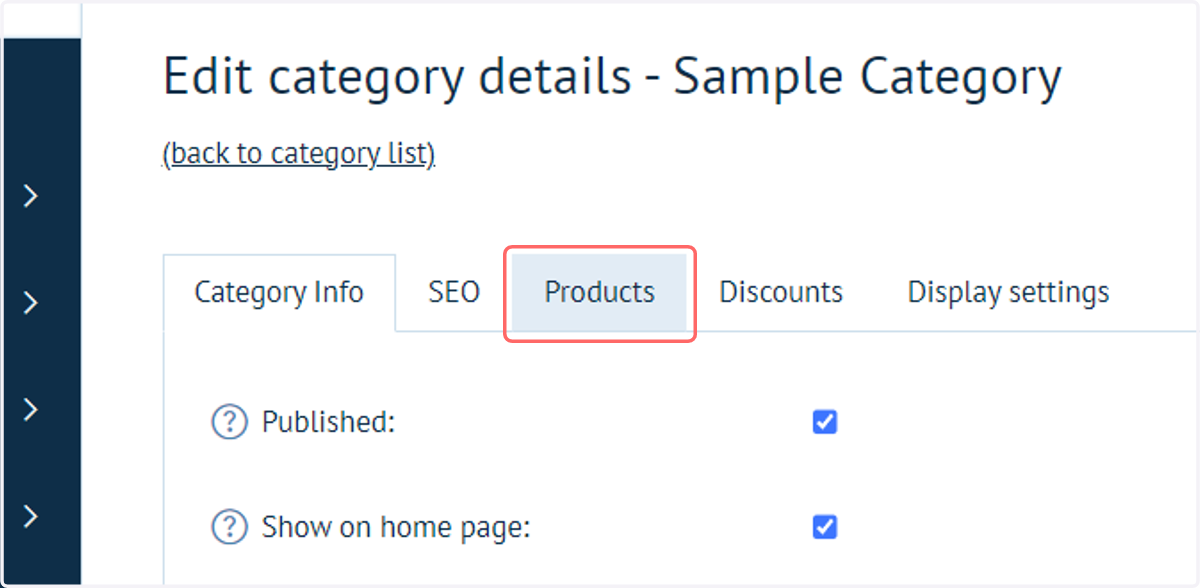
41. Click on Products
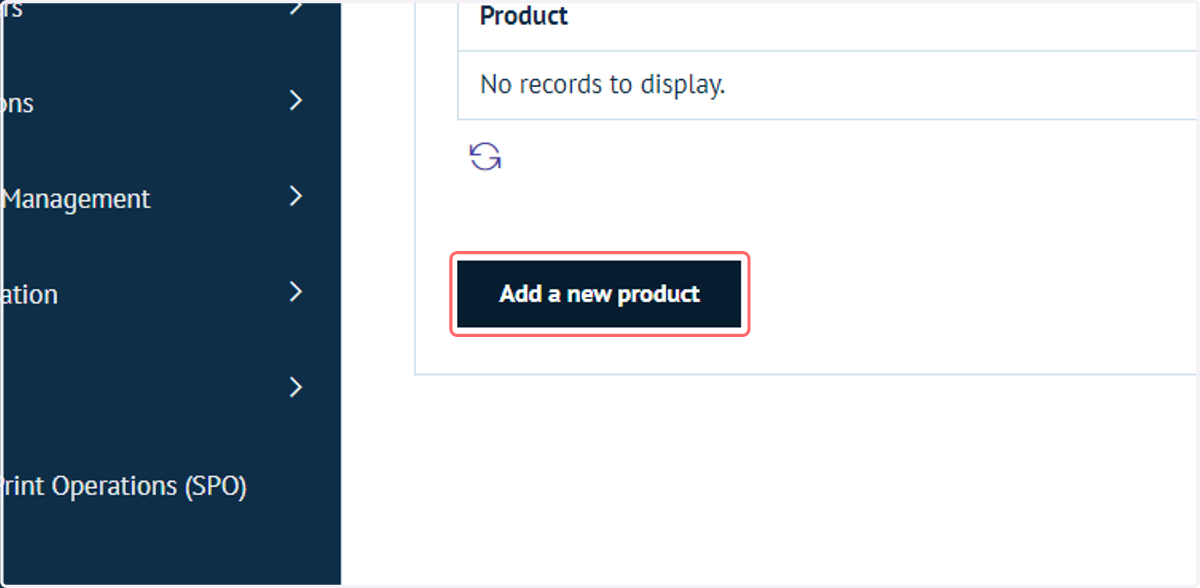
42. Click on Add a new product
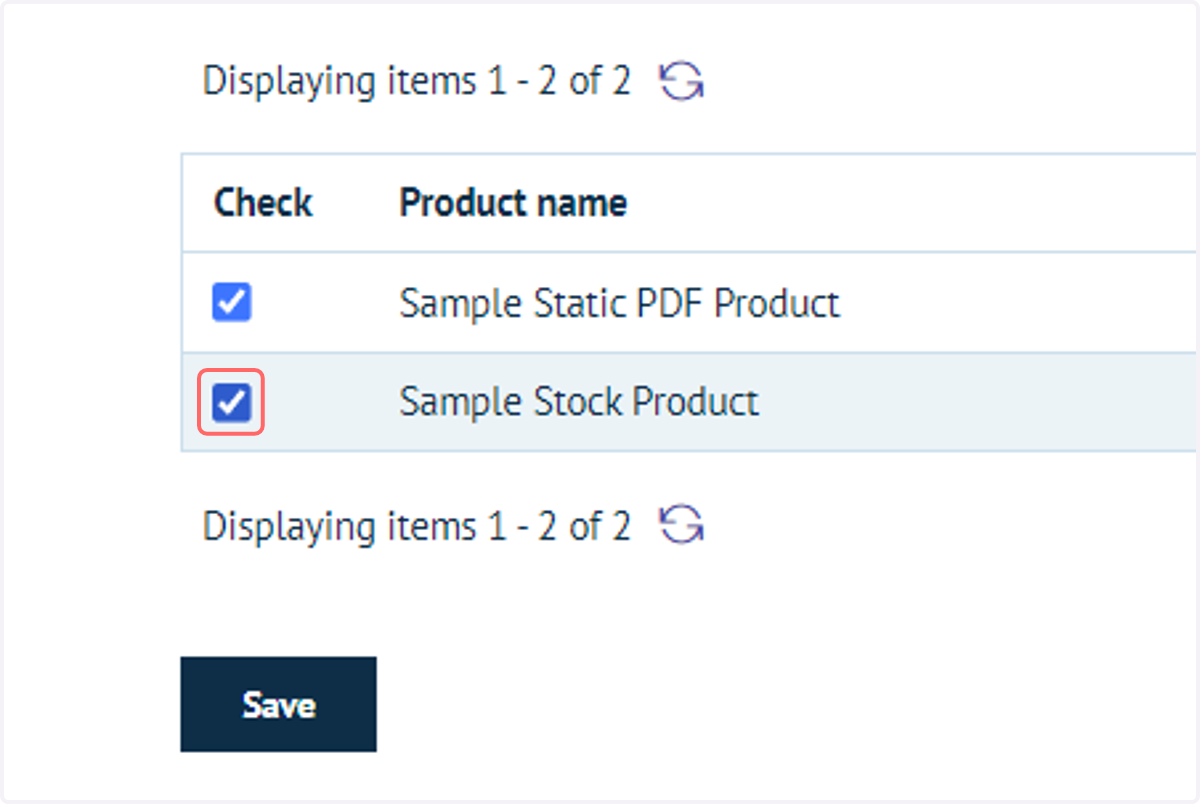
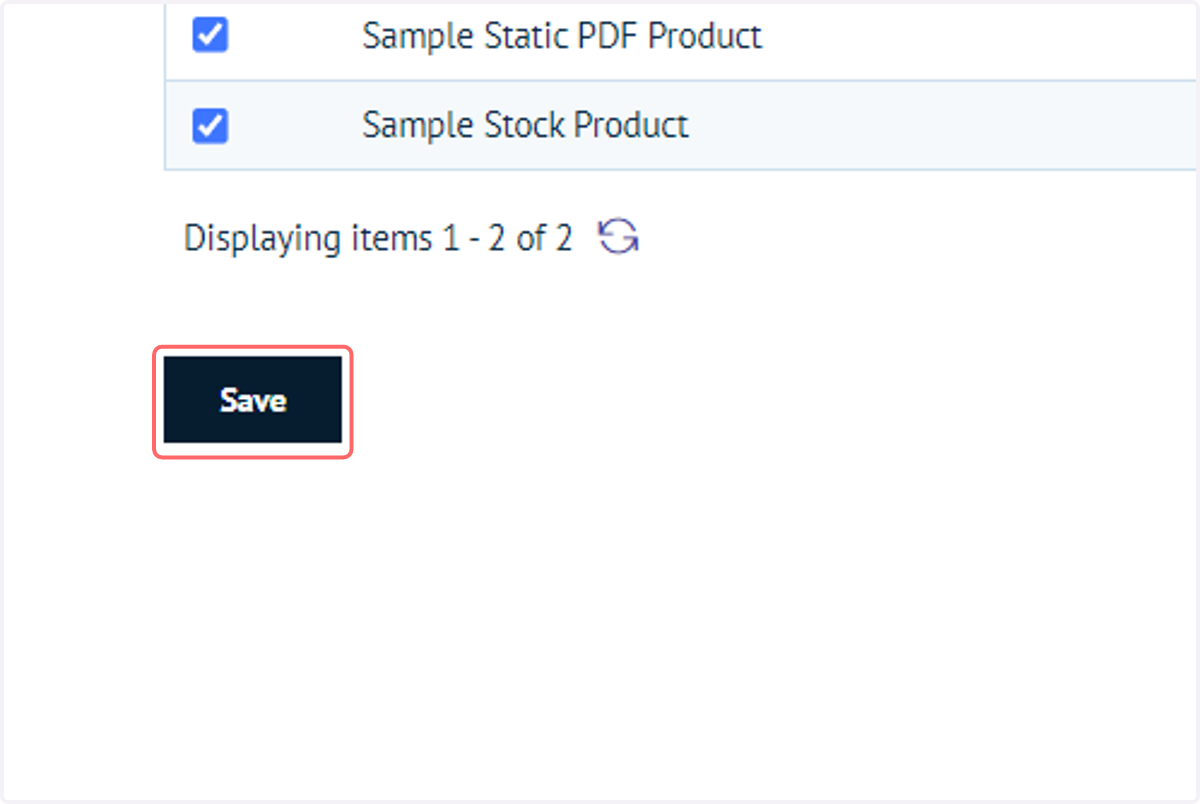
43. Select the products to be contained within the category
Products can be placed in multiple categories.
44. Click on Save
45. Click on Display settings
As with products, the layout of the category landing page can be modified using the Display settings tab.
View your handiwork!
46. Click on Public store
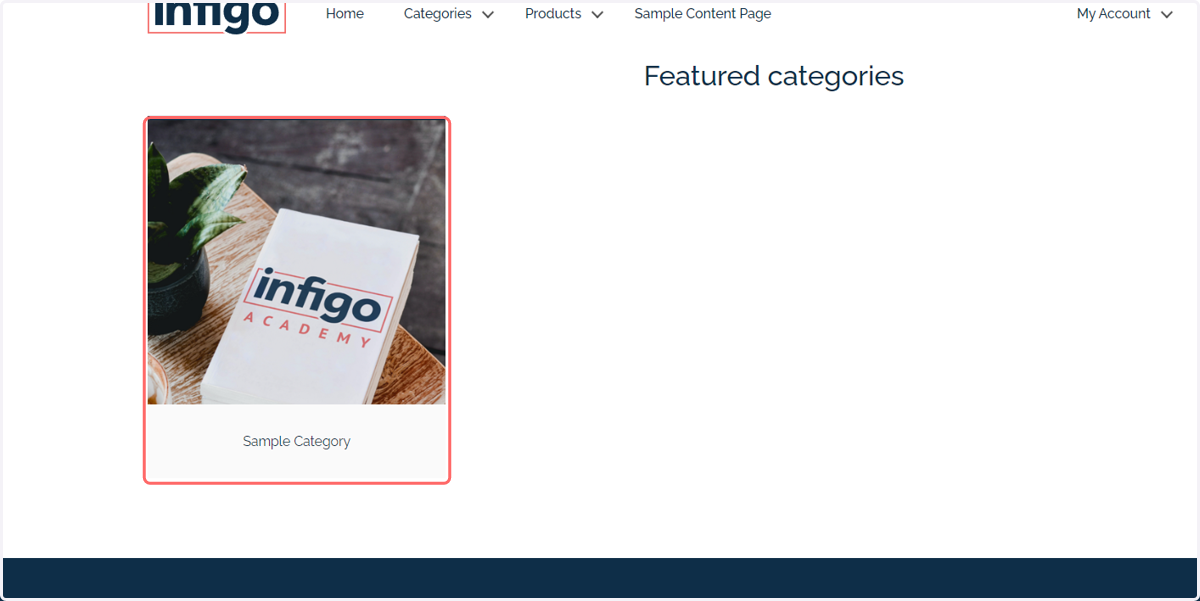
47. If you selected "Show on home page" your category will be shown on the home page
48. Click on Show products in category Sample Category
49. Click on Show details for Sample Stock Product
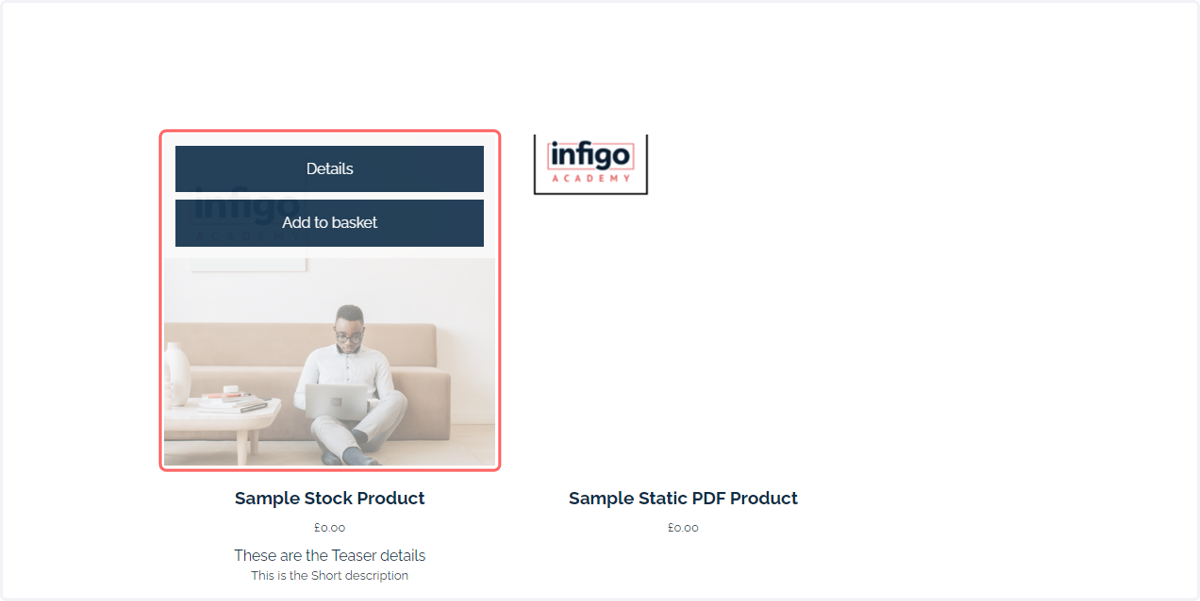
50. Congratulations! You've created 2 new products and structured them inside a category!